Maintaining a stainless steel range hood keeps a kitchen looking bright and smelling fresh. Regular cleaning removes grease buildup, preserves the finish, and extends the appliance’s life. This guide provides practical, step-by-step methods using commonly available products that are gentle on metal and effective against stubborn grime.
Quick Answer
Fast method: Wipe with a non-abrasive stainless steel cleaner spray, follow with a microfiber cloth to buff. For tough grease, apply a degreaser or grease remover gel, then wipe clean with a microfiber cloth. Finish with a stainless steel cleaning wipe for a polished look.
What You’ll Need
- Stainless steel cleaner spray for range hood
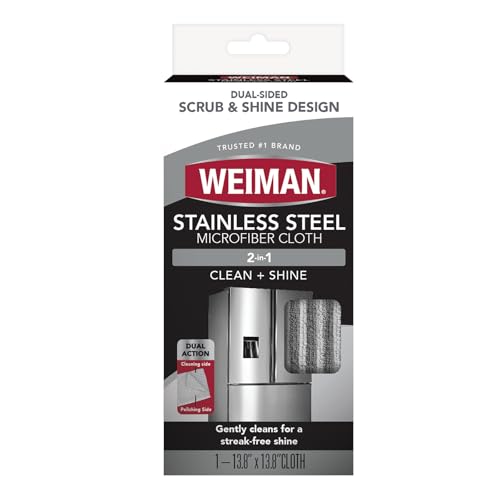
- Non-abrasive stainless steel cleaning wipes for range hood
- Microfiber cloth for stainless steel range hood
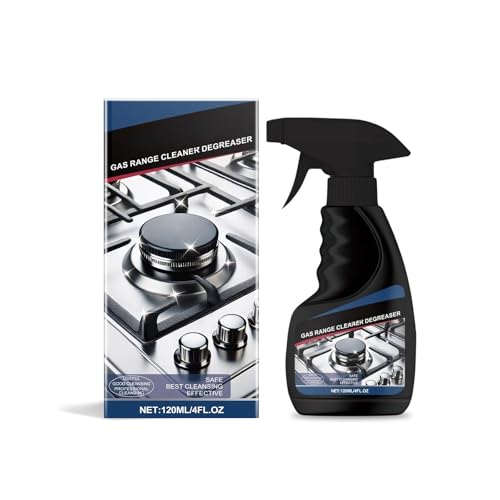
- Grease remover gel for stainless steel kitchen hood
- Degreaser for stainless steel range hood exhaust
- Soft bucket or spray bottle, warm water, and mild dish soap

Before You Start
Before cleaning, ensure the hood is cool and the electricity is off. Cover nearby surfaces to protect counters and backsplash. Work in a well-ventilated area, and test cleaners on a small, inconspicuous spot first to avoid dulling or streaks. Typical cleaning time for a thorough wipe-down is 20–40 minutes, depending on the grease level. Avoid using steel wool or abrasive pads, which can scratch and dull the finish.
Step-By-Step: How To Clean A Stainless Steel Range Hood
- Remove loose dust with a dry microfiber cloth, wiping in the direction of the grain.
- Apply a light spray of stainless steel cleaner to a microfiber cloth or use non-abrasive cleaning wipes for a first-pass wipe.
- Gently wipe the exterior surfaces, always following the grain direction to minimize streaks.
- For heavy grease, apply a grease remover gel for stainless steel kitchen hood or a degreaser for stainless steel range hood exhaust to a cloth or directly to the surface, then let it sit for 1–2 minutes.
- Wipe away loosened buildup with a clean microfiber cloth, rinsing the cloth as needed to avoid re-depositing grease.
- Address any stubborn spots with a second application of cleaner or a dedicated degreaser, working in small circles along the grain.
- Buff the surface with a dry microfiber cloth to restore shine and remove any remaining streaks.
- Clean the edges and control panel with a damp cloth, taking care not to saturate electrical components.
- For interior vents or duct areas, use a soft brush or compressed air if available to dislodge trapped grease.
- Inspect regularly and repeat every 1–2 weeks during heavy cooking seasons for best results.
- Store cleaners and wipes in a cabinet away from heat and sunlight to preserve effectiveness and finish.
Troubleshooting
| Symptom | Likely Cause | Fix | Prevention |
|---|---|---|---|
| Streaks after cleaning | Inadequate drying or improper wipe direction | Buff with a dry microfiber cloth in the grain direction | Always dry surfaces after cleaning |
| Grease remains in crevices | Grease buildup in edges or seams | Apply degreaser gel; use a soft brush for corners | Wipe seams during routine cleanings |
| Finish dulls or tarnishes | Harsh cleaner or abrasive pad | Switch to non-abrasive cleaner wipes | Test new products on hidden area first |
| Water spots after wipe | Hard water or insufficient drying | Dry completely; use distilled water for final rinse if needed | Rinse cloth frequently and dry surfaces |
Common Mistakes
- Using abrasive pads or powders that scratch the stainless steel finish
- Over-wetting to avoid streaks, which can seep into controls or electrical areas
- Neglecting the underside and inner vents where grease accumulates
- Ignoring recommended dwell times for degreasers, reducing effectiveness
Tips For Best Results
- Clean in the same direction as the grain for a uniform, polished look
- Pair spray cleaners with microfiber cloths for lint-free, streak-free finishes
- Use a non-abrasive stainless steel cleaning wipes for range hood for quick touch-ups on busy days
- For glossy finishes, finish with a light buff to enhance shine and waterproof the surface
- Keep a small kit handy: cleaner spray, degreaser gel, microfiber cloths for fast maintenance
Call A Professional
If the range hood shows deep pitting, significant discoloration, or wiring behind the control panel appears exposed, stop cleaning and contact a licensed appliance technician. Do not attempt to disassemble electrical components or ductwork yourself.
FAQ
What is the best way to remove heavy grease from a stainless steel range hood?
Apply a degreaser or grease remover gel to a cloth, let it sit briefly, then wipe with a microfiber cloth along the grain. Repeat if needed.
Can I use vinegar to clean stainless steel range hoods?
Vinegar can be effective for light spots, but it may dull the finish over time. Use it sparingly or opt for a commercial stainless steel cleaner for best results.
How often should I clean my range hood?
Light maintenance weekly is helpful; a thorough clean every 1–2 weeks during heavy cooking periods keeps grease from building up.
Is it safe to clean the underside of the hood?
Yes, but ensure your hands are dry and avoid soaking any electrical components. Use a damp cloth and minimal moisture.
What should I do if streaks persist after cleaning?
Switch to a microfiber cloth, ensure you wipe in the grain direction, and buff until the surface dries completely.
Is it necessary to polish stainless steel after cleaning?
Polishing is optional but can enhance shine. Use a non-abrasive polish or the cleaner’s buffing step to finish.
Can I use the same products on both the exterior and interior of the hood?
Exterior surfaces typically tolerate the cleaner spray and wipes; interior ducts may require specialized tools and professional services.
Buying Guide
When choosing cleaning products for a stainless steel range hood, consider factors such as the finish, level of grease exposure, and maintenance goals. A stainless steel cleaner spray for range hood paired with microfiber cloth for stainless steel range hood delivers reliable results for routine care. For tougher jobs, a grease remover gel for stainless steel kitchen hood or a degreaser for stainless steel range hood exhaust offers stronger action without scratching the surface. Keep a supply of non-abrasive stainless steel cleaning wipes for range hood for quick touch-ups and to minimize streaks. Evaluate the following buying factors:
- <bSize and fit: Hood dimensions influence how products are applied and stored; choose products that are easy to apply over curved surfaces.
- <bNoise level and energy use are not directly impacted by cleaners, but choosing low- or zero-residue formulas helps maintain a cleaner kitchen environment without fumes.
- <bEnergy efficiency focuses on the hood’s operation; cleaning products should not leave residues that affect airflow or odors.
- <bControls and accessibility: Use wipes or sprays that do not migrate into control panels; ensure hands stay dry during use.
- <bPlacement: Store cleaning supplies away from heat sources and direct sunlight to prevent chemical degradation.
Several brands offer compatible kits designed for stainless steel kitchen appliances. Compare products by residue removal strength, ease of use, and polish potential. If the hood is in a high-traffic kitchen or an area with hard water, you may want a two-step system: a grease remover for heavy grime and a gentle polish for final shine. Always follow product directions, test on a hidden area first, and keep a routine cleaning schedule to maintain a brilliant, stainless finish.