Outdoor porcelain tiles offer durability and a sleek look, but keeping them free of stains, algae, and grime requires a deliberate cleaning routine. This guide walks through practical methods, the right tools, and safe practices to restore outdoor porcelain surfaces without damaging their glaze or grout.
Readers will find a concise plan—from quick answers to step-by-step instructions—designed for American homes and climates. The methods emphasize common cleaners and tools that work with standard outdoor tile installations.
Quick Answer
For routine cleaning, use a dedicated outdoor porcelain tile cleaner concentrate or a porcelain tile and grout cleaner spray, paired with a stiff bristle brush and a microfiber mop. For stubborn grime, a high pressure washer with a porcelain-friendly nozzle can help, followed by a thorough rinse. Always test a small area first and avoid acidic cleaners that can damage glaze.
What You’ll Need
- Outdoor porcelain tile cleaner concentrate 1 gallon
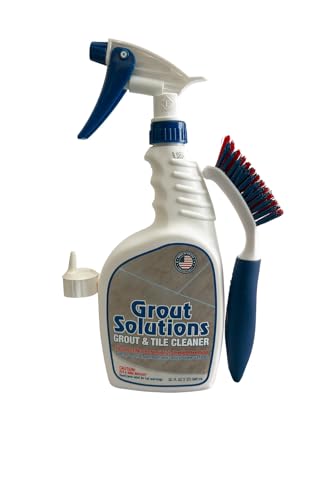
- Porcelain tile and grout cleaner spray for outdoor use
- Stiff bristle tile scrub brush porcelain
- Microfiber mop for outdoor porcelain tiles
- High pressure washer spray nozzle for porcelain tile cleaning


Before You Start
Assess the area for loose tiles or damaged grout, which may require repair before cleaning. Protect surrounding plants and landscaping by wetting them or covering with plastic sheets. Plan for dry time after cleaning to avoid slipping hazards. Never use bleach on colored grout without testing first, and avoid acidic cleaners that can etch porcelain. Expect a cleaning session to take 20–60 minutes depending on the area size and soil depth.
Step-By-Step: How To Clean Outdoor Porcelain Tiles
- Clear the area of furniture and debris; sweep or blow away loose dirt.
- Prepare cleaning solution per product instructions using the outdoor porcelain tile cleaner concentrate or the spray cleaner.
- Apply cleaner across a small section of tile to loosen dirt and algae, avoiding excessive pooling near edges.
- Use the stiff bristle tile scrub brush porcelain to scrub grout lines and stubborn stains in a circular motion.
- Rinse the treated area with a garden hose or a low-pressure rinse to remove soap and grime.
- For tougher grime, repeat cleaner application and scrubbing, then use a microfiber mop to lift remaining residue.
- When using a high pressure washer, set a moderate pressure and keep the nozzle at an angle to avoid chipping edges; rinse thoroughly.
- Allow the surface to dry completely; inspect grout lines and repeat maintenance cleaning if needed.
- Seal the grout only after the tiles are fully dry and if you plan to seal; refer to grout manufacturer recommendations.
- Clean adjacent non-porous surfaces with the same approach to maintain a uniform appearance.
- Store cleaners and tools in a dry place; rinse and dry brushes after use to extend life.
Troubleshooting
| Symptom | Likely Cause | Fix | Prevention |
|---|---|---|---|
| Stains persist after cleaning | Deep-set mineral deposits or mildew | Reapply cleaner and scrub with brush; consider a second pass | Regular maintenance cleaning to prevent buildup |
| Discoloration after cleaning | Use of harsh cleaners or acid-based products | Rinse thoroughly and switch to porcelain-safe cleaners | Test cleaners on a small area first |
| Grout looks damaged or eroded | Over-aggressive scrubbing or heavy pressure washing | Reduce pressure, focus on tiles, and repair grout as needed | Seal grout after cleaning if recommended |
| Slippery surface after washing | Residue from cleaners | Rinse thoroughly and mop dry | Use a light rinse and avoid leaving soap behind |
Common Mistakes
- Using acidic or household cleaners not labeled for porcelain tiles
- Scrubbing too aggressively with brushes, risking glaze damage
- Relying solely on a high-pressure rinse without brushing for grout lines
- Neglecting to test cleaners on a small, inconspicuous area first
- Ignoring grout upkeep, leading to recurring staining
Tips For Best Results
- Perform cleaning on a cool, overcast day to avoid rapid drying that can leave streaks.
- Use a microfiber mop to lift loosened dirt without scratching the tile surface.
- Alternate between cleaning products to address both soil and mildew as needed.
- Keep a consistent maintenance schedule, such as monthly spot cleaning and seasonal deep clean.
- Inspect for cracks or loose tiles during cleaning to catch issues early.
Call A Professional
Seek professional help if you notice cracked tiles, loose grout, or persistent stains that do not respond to at-home cleaning. Stop work if there is a risk of damaging the tile or if safety concerns arise, such as unstable surfaces or high work heights.
FAQ
What type of cleaner is best for outdoor porcelain tiles?
Use a dedicated outdoor porcelain tile cleaner concentrate or a porcelain tile and grout cleaner spray designed for exterior use.
Can I use a pressure washer on porcelain tile?
Yes, with caution: use a moderate setting and a nozzle appropriate for tile surfaces to avoid damage to glaze and grout.
How often should I clean porcelain outdoor tiles?
Regular light cleaning every 1–2 months with a deeper clean every 3–6 months, depending on climate and soil buildup.
Is sealing grout necessary after cleaning?
Sealing grout can help protect against staining and moisture; follow grout manufacturer guidelines and ensure tiles are fully dry before sealing.
What should I test before cleaning the entire area?
Test a small, inconspicuous area with your chosen cleaner to confirm no adverse reactions with the glaze or grout.
What if stains reappear quickly after cleaning?
Consider a grout-specific cleaner and ensure proper drying; persistent issues may indicate mildew or mineral deposits requiring combined treatment.
Buying Guide
Choosing the right products and setup for cleaning outdoor porcelain tiles affects results and surface longevity. This guide covers key buying factors to help homeowners compare options and plan a maintenance routine.
- Size and surface area: Larger projects may benefit from concentrate cleaners you mix on-site and longer-lasting tools like a wide-bristle brush set.
- Cleaner type: Concentrates vs. ready-to-use sprays; consider eco-friendly formulations for lawns and garden beds nearby.
- Tool compatibility: Select brushes and mops designed for porcelain to prevent scratching; ensure no bristles shed during use.
- Pressure washer compatibility: If using a washer, choose a nozzle labeled safe for porcelain and test on a hidden area first.
- Grout maintenance: If grout is present, consider a dedicated grout cleaner or sealer to extend tile longevity.
- Noise and energy considerations: Some cleaners and tools operate quietly; plan cleaning sessions to minimize disruption and energy use.
- Placement and wear: Porcelain tiles on shaded or damp surfaces may accumulate mildew; plan more frequent cleaning accordingly.
Thinking about a routine? A typical setup includes a dedicated outdoor porcelain tile cleaner concentrate, a porcelain-safe spray, a stiff brush, a microfiber mop, and a compatible high-pressure washer nozzle. This combination covers routine maintenance, stubborn stains, and grout care, helping outdoor spaces stay clean and inviting.