The basement can trap strong odors from oils and solvents, especially in spaces with limited ventilation or moisture. A practical approach combines air purification, moisture control, and targeted odor sources to restore a fresher environment. This guide provides step-by-step actions and product options tailored for American homes.
Quick Answer
Identify the odor source, introduce active air treatment, and improve ventilation. Use an activated carbon air purifier for oil smell basement and consider a basement ventilation fan with carbon filter for ongoing odor control. Combine with a dehumidifier that includes an air purifier, plus odor absorbers like charcoal bags for immediate relief.
What You’ll Need
- Activated carbon air purifier designed for oil odor in basements
- Odor control device such as an ozone generator (used with caution and following safety guidelines)
- Basement odor absorber options, including charcoal bags or deodorizers
- Dehumidifier with built-in air purifier or separate dehumidifier plus air purifier
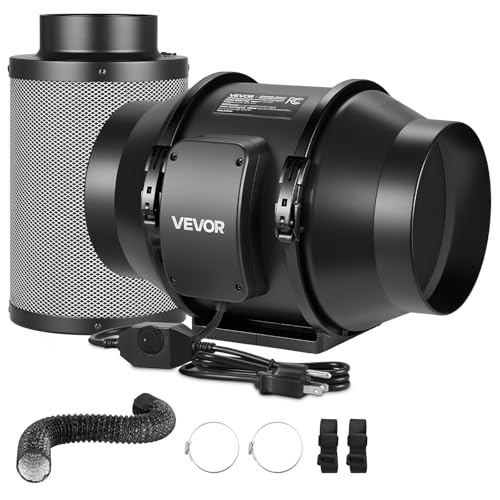
- Basement ventilation fan with carbon filter for ongoing odor removal


Before You Start
Assess the basement layout to identify areas with the strongest odor and moisture. Never run an ozone generator in occupied spaces and follow all safety instructions for any odor-control device. Plan a time window for setup and testing, typically 2–6 hours for initial treatment and up to several days for noticeable improvement. Prepare surfaces by cleaning visible oil residues with appropriate cleaners, and seal any obvious leak sources if feasible.
Step-By-Step: How To Get Rid Of Oil Smell In Basement
- Ventilate the space by opening exterior vents or running a basement ventilation fan with carbon filter odor removal to exchange stale air.
- Place an activated carbon air purifier in the largest area of the basement and run it on a high setting for several hours.
- Set up a basement odor absorber charcoal bags deodorizers in corners, near entry points, and along walls to catch lingering vapors.
- Use a dehumidifier with built-in air purification if available; keep relative humidity around 30–50% to deter musty oil smells.
- If using an ozone generator, operate it according to the manufacturer’s instructions and only in unoccupied spaces; return to the area only after treatment has finished and air has cleared.
- Run the purifier and dehumidifier concurrently for 24–72 hours, checking filtration and replacing activated carbon filters as needed.
- Inspect for residual odors and re-run treatments focusing on problem zones like near stored oils, solvents, or appliances.
- Clean and neutralize surfaces with oil-safe cleaners; remove any contaminated rags or absorbents promptly to prevent re-odorization.
- Consider installing a long-term solution such as continuous air purification and improved ventilation with a carbon-filtered exhaust.
- Schedule periodic maintenance: replace carbon filters, inspect seals, and monitor humidity to prevent odor return.
- Document changes and adjust strategies based on air quality readings or odor strength over time.
Troubleshooting
| Symptom | Likely Cause | Fix | Prevention |
|---|---|---|---|
| Odor persists after treatment | Insufficient air exchange or hidden oil source | Increase ventilation, inspect for hidden leaks | Regular maintenance and sealing potential sources |
| Musty or chemical smell returns | High humidity or damp surfaces | Run dehumidifier and dry affected areas | Ensure proper drainage and ventilation |
| Ozone generator used and space still smells | Ozone byproducts in poorly ventilated areas | Cease use or relocate to unoccupied area; improve fresh air flow | Never use in occupied spaces; follow safety steps |
| Charcoal bags show little effect | Insufficient number or placement | Add more bags in strategic spots | Rotate positions and replace bags as needed |
Common Mistakes
- Relying on a single odor-control method without improving ventilation
- Running ozone generators without proper safety and timing
- Ignoring humidity and mold risk that can amplify odors
- Using strong cleaners that leave their own scents and interact with odor molecules
Tips For Best Results
- Place air purifiers upwind from the main odor source for better airflow.
- Combine activated carbon filtration with continuous fresh air exchange for sustained results.
- Periodically neutralize surfaces rather than relying solely on air treatments.
- Label and store any oils or solvents securely to reduce future odors.
Call A Professional
Seek professional help if odors persist beyond two weeks, moisture problems remain unresolved, or there is evidence of mold growth, persistent leaks, or complex electrical or structural odor sources. Signs to consult a pro include persistent odor after multiple targeted treatments and any health symptoms such as headaches or throat irritation when in the basement.
FAQ
What is the best overall approach to remove oil smell from a basement?
Use a combination of ventilation, activated carbon filtration, and moisture control to tackle both odor molecules and moisture-driven smells.
Can I use an ozone generator indoors?
Ozone generators should only be used in unoccupied spaces and with strict adherence to safety guidelines to prevent health risks.
How long does it take to reduce an oil smell?
Initial improvements can be seen within 24–72 hours, with full odor control often taking several days depending on source severity and space size.
Are charcoal bags effective for oil odors?
Charcoal bags help absorb odors over time, especially when placed in multiple strategic locations around the area.
Should I run a dehumidifier year-round in a basement?
Running a dehumidifier during humid seasons helps prevent oil and other odors from becoming persistent by limiting moisture buildup.
What maintenance should I perform after odor removal?
Replace carbon filters, check for lingering moisture, reseal potential sources, and monitor humidity levels regularly.
Is permanent installation of odor-control equipment worth it?
For frequent odor issues, a combination of continuous filtration, strategic ventilation, and moisture management provides long-term benefit.
Buying Guide
When selecting equipment to neutralize basement oil odors, consider size, noise, energy use, and placement. A compact activated carbon air purifier for oil smell basement works well in small spaces, while larger basements may benefit from a dedicated ventilation fan with a carbon filter. An odor control ozone generator basement oil odor can help in unoccupied setups but requires strict safety protocols. Look for units with replaceable carbon filters, easy maintenance, and clear indication of air quality improvements. For a balanced approach, pairing a dehumidifier with built-in air purifier for oil smell basement with charcoal absorbers often yields reliable results. Evaluate noise levels, energy efficiency, and the ability to place units where air circulates most effectively, such as near vents, doors, and corners that trap air. Consider placement flexibility to optimize odor removal and ensure that any devices comply with local electrical and safety standards.