Ginger or orange-red hair can be a bold, eye-catching shade, but many people may want to soften it, remove it, or transition to a more neutral tone. This guide focuses on practical, at-home options using common color-stripping and dye-removal products. It covers safer strategies, step-by-step procedures, and troubleshooting tips for American users.
Whether you aim to lift red tones, remove color completely, or neutralize orange hues, the right approach depends on your starting shade, hair condition, and desired result. This article outlines methods that minimize damage while achieving noticeable changes.
Quick Answer
Choose one of three paths: 1) use a color remover kit to lift red tones, 2) apply a hair color stripper kit to remove dye from the shaft, or 3) apply a bleach powder/developer kit to lighten red hair before applying a neutral shade or brown box dye. For stubborn orange tones, follow with a toner for orange/red hair to neutralize brassiness.
What You’ll Need
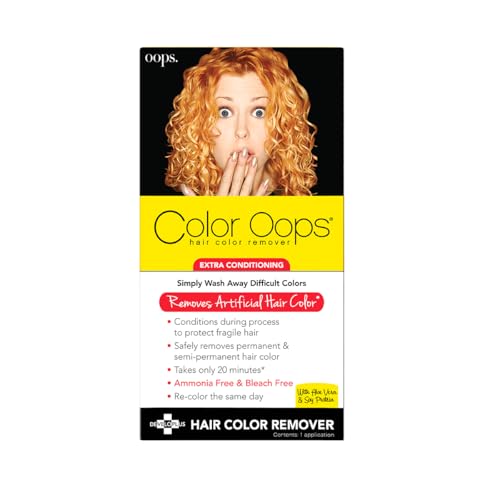
- color remover kit for red hair
- hair color stripper kit
- bleach powder developer kit for covering red hair
- box dye kit to cover red hair brown
- toner for orange/red hair neutralizing kit


Before You Start
Assess the current color and condition of the hair. If the hair is damaged or over-processed, proceed with extra care or consult a professional. Perform a strand test to gauge lifting and processing time. Protect skin and clothing, and apply barrier cream around the hairline. Time estimates vary: most lifting sessions take 15–45 minutes, followed by rinsing and conditioning. Critical cautions include avoiding overlapping color on already lightened ends and not exceeding recommended processing times to prevent breakage.
Step-By-Step: How To Get Rid Of Ginger Hair
- Identify your target: lighter neutral shade, or full removal leading to natural color.
- Choose the initial method: lift with a color remover kit or a hair color stripper kit, or proceed to bleach if you want significant lightening.
- Prepare the hair and mix products according to the instructions, ensuring gloves and timing are correct.
- Apply the product evenly from roots to ends, then follow the recommended processing time.
- Rinse thoroughly with lukewarm water, then apply a deep conditioner to restore moisture.
- If color remains brassy, apply a toner for orange/red hair to neutralize brassiness (use as directed).
- Rinse, dry, and assess the result. If the shade is too warm, consider another lightening or toner step with caution.
- Apply a color-safe shampoo and follow up with a hydrating conditioner to maintain hair health.
- For a more permanent change, apply a box dye kit to cover red hair brown after the hair has been properly lifted.
- Schedule a follow-up conditioning treatment and avoid heat styling for 24–72 hours post-treatment to minimize damage.
- Monitor for uneven spots or overprocessing. If you notice excessive breakage, stop and seek professional help.
- Maintain color with color-safe products and periodic toning to keep neutral tones balanced.
Troubleshooting
| Symptom | Likely Cause | Fix | Prevention |
|---|---|---|---|
| Brassy orange tones persist after toner | Insufficient toning or wrong toner | Reapply toner, follow timing precisely | Use a toner suited for orange/red hues and follow product directions |
| Uneven color after processing | Uneven application or inconsistent product mix | Reapply with careful, even distribution; avoid overlapping | Section hair and apply product evenly |
| Excessive dryness or breakage | Over-processing or harsh lifting | Condition deeply and trim damaged ends if needed | Limit processing times and space out chemical services |
| Color fades to orange quickly | Improper post-color care | Use color-safe, sulfate-free shampoo; use toner as needed | Regular conditioning and color-protecting products |
Common Mistakes
- Skipping a strand test and jumping into processing
- Leaving products on longer than directed
- Overlapping color on already lightened ends
- Neglecting conditioning after chemical services
Tips For Best Results
- Always perform a strand test to estimate result and processing time
- Mix and apply products in small sections for even coverage
- Use a UV-protective or color-safe shampoo to preserve tone
- Prefer toners with cool or neutral undertones to counter warm orange/red hues
- Hydrate hair with deep conditioners or masks between chemical treatments
Call A Professional
Certain situations warrant professional help. Seek a pro if any of the following apply: hair is severely damaged or breaking, you want a drastic color change with minimal risk, you have a sensitive scalp, or you’re uncertain about how the products will interact with previously colored hair. Stop DIY if you experience prolonged itching, burning, or irritation.
FAQ
Can I completely remove ginger hair at home?
Yes, with color remover or stripper kits and careful follow-up steps, but results vary by hair condition and previous coloring. Consider a professional for complex cases.
Will bleaching damage my hair?
Bleach can cause damage if overused or left on too long. Treat hair with conditioning before and after, and limit chemical exposure when possible.
How long should I wait between chemical color steps?
Wait at least 1–2 weeks between strong chemical treatments, and follow all product-specific guidelines to minimize damage.
Do I need to tone after lifting ginger tones?
Often yes; toners neutralize brassiness and help achieve a balanced shade. Choose a toner designed for orange/red hair.
Is a brown box dye safe after lifting?
Brown box dye can provide a neutral target after lifting, but ensure hair is in good condition and follow the box directions carefully.
Buying Guide
When choosing products to remove or cover ginger hair, consider several factors to ensure a satisfactory result. Size matters for storage and application convenience, while noise level is not typically a concern for at-home products but ease of use and kit contents are. Energy efficiency isn’t a factor here, but formula safety and ingredient quality are important. Look for user-friendly instructions, clear timing guidelines, and compatibility with your current color state.
Key buying factors include:
- <bColor remover kit for red hair or hair color stripper kit suitability for your current shade and hair type
- <bBleach powder developer kit for covering red hair if you need significant lightening before toning or dyeing
- <bBox dye kit to cover red hair brown for a final neutral result after lifting
- Toner for orange/red hair neutralizing kit to counter brassiness and achieve a cooler brown or neutral tone
Placement considerations include ensuring ventilation, easy access to sinks, and non-slip surfaces. For best results, use a single brand’s line when possible to reduce chemical interactions. If you are unsure, start with a strand test and follow product guidelines closely. Would you like a side-by-side comparison of these products based on your current shade and hair type?