Muscovy ducks can be persistent visitors around ponds, decks, and gardens. While they may be a charming sight, they can also cause shoreline damage, excessive droppings, and algae growth if populations grow uncontrolled. This guide provides practical, humane strategies tailored to American yards, combining deterrents and preventive measures to encourage Muscovy ducks to move on.
Quick Answer
Use a combination of physical barriers, dispersal devices, and habitat adjustments. Start with noninvasive methods like pond netting and motion-activated deterrents, then add spikes or solar repellents if ducks persist. Regularly rotate deterrents to prevent adaptation and maintain a clean, waste-free environment around water features.
What You’ll Need
- motion-activated sprinkler bird deterrent for ponds ducks
- ultrasonic outdoor bird repeller for pond Muscovy ducks
- pond netting for duck exclusion
- polypropylene bird spikes for ledges to deter ducks
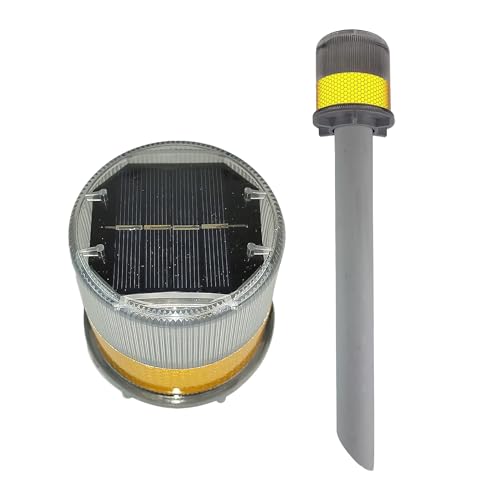
- solar-powered scare device duck deterrents


Before You Start
Assess the area to identify the ducks’ favored entry points and resting spots. Install deterrents away from bird habitats that could attract other wildlife. Keep paths clear and reduce food incentives—don’t feed ducks, secure trash, and remove spilled birdseed. Time estimates vary with yard size; most setups begin showing results within two to four weeks. Important safety note: avoid harming the birds or violating local wildlife regulations. Use humane methods and monitor for unintended effects on other wildlife.
Step-By-Step: How To Get Rid Of Muscovy Ducks
- Survey the yard to map duck traffic: entry points, preferred roosts, and favorite sunning spots.
- Install pond netting over exposed water areas to create an invisible barrier (temporary nets can be adjusted as needed).
- Position motion-activated sprinkler deterrents around the pond and common duck pathways for sudden water jets when birds approach.
- Place ultrasonic outdoor bird repellers at strategic corners of the yard to emit high-frequency signals when ducks are present.
- Affix polypropylene bird spikes to ledges, railings, and building overhangs to prevent perching without harming the birds.
- Deploy solar-powered scare devices along the waterline for continuous day-night deterrence with mobility adjustments.
- Rotate deterrent types every few weeks to prevent ducks from habituating to a single method.
- Keep the area clean of food sources and remove standing water where possible to reduce attractants.
- Monitor the yard weekly and adjust placements to ensure coverage remains effective as ducks change routes.
- Document changes and maintain a deterrent schedule to sustain long-term results.
- Offer alternate benefits, like decorative plantings away from the pond, to redirect attention away from the water feature.
- If non-lethal methods show limited results after several weeks, consider consulting a wildlife professional for site-specific guidance.
Troubleshooting
| Symptom | Likely Cause | Fix | Prevention |
|---|---|---|---|
| Ducks return after deterrents stop | Deterrents not positioned for optimal coverage | Reassess layout; extend deterrents to overlooked access points | Seasonal rotation and continuous monitoring |
| Ducks perch on treated ledges | Spikes not properly installed or accessible | Reinstall spikes securely; choose higher zones | Regular maintenance and cleaning of spikes |
| Substantial water area not covered by netting | Netting gaps or misalignment | Patch gaps; adjust tension to seal the area | Routine net inspection during seasonal changes |
| No noticeable effect from ultrasonic device | Device too far or blocked by structures | Relocate device for a clear line of sight; clear nearby obstructions | Combine with other deterrents for redundancy |
| Ducks nest nearby despite deterrents | Habitat is still attractive (shade, water, food) | Enhance habitat modification and remove attractants | Frequent yard upkeep and waste control |
Common Mistakes
- Relying on a single deterrent rather than a layered approach
- Neglecting regular maintenance or rotation of devices
- Feeding ducks or leaving food waste accessible
- Allowing shallow water to stagnate near the pond
- Failing to check local wildlife regulations before using repellents
Incorporating multiple strategies reduces the chance that Muscovy ducks adapt and return. Regular maintenance and environmental management are key to lasting results.
Tips For Best Results
- Stagger deterrents to create inconsistent cues, making it harder for ducks to predict safe zones.
- Keep devices clean and replace batteries or solar panels as needed to maintain performance.
- Coordinate deterrents with seasonal changes, as duck activity can shift with weather and food availability.
- Use a gentle, humane tone in surrounding landscaping to deter ducks without harming them.
- Combine physical barriers with behavior modifiers—avoid feeding, secure pet food, and remove standing water when possible.
Call A Professional
Seek professional help if:
- The duck presence is extensive near structures or residential spaces.
- There are nesting sites or signs of potential legal restrictions around wildlife control.
- Non-lethal deterrents fail to reduce activity after several weeks of consistent use.
FAQ
What’s the best deterrent for Muscovy ducks on ponds?
Layered deterrents work best, combining pond netting, motion-activated sprinklers, and perching barriers.
Are ultrasonic devices safe for pets and humans?
These devices are designed to be safe for people and pets when used as directed; follow manufacturer guidelines and local regulations.
Will ducks eventually adapt to deterrents?
Yes, ducks can become habituated if deterrents are stationary; rotate devices and update placement regularly.
When should I involve a wildlife professional?
If there are nesting activities, potential legal considerations, or persistent problems after multiple strategies, contact a qualified wildlife specialist.
For additional insights, consult local extension services or pest management professionals who understand regional Muscovy duck behavior.
Buying Guide
Choosing deterrents and protective measures involves evaluating size, noise, energy use, and placement. A thoughtful kit combines coverage for water features with adaptable devices that fit lawns, decks, and koi ponds. Consider how many ducks typically visit and the area’s perimeter when evaluating options.
Key Buying Factors
- Size and coverage: Ensure the deterrent system covers the pond’s footprint and adjacent banks without gaps.
- Noise and visual impact: Select devices with tolerable noise levels and minimal aesthetic disruption to the yard.
- Energy efficiency: Favor solar-powered devices for low ongoing costs and easy installation.
- Controls and programmability: Devices with motion sensors and timer options allow customized deterrence schedules.
- Durability and weather resistance: Outdoor-rated materials withstand sun, rain, and freezing temperatures.
- Placement flexibility: Choose deterrents that can be mounted on ledges, fences, and around the waterline.
- Maintenance: Look for easy-clean surfaces and replaceable parts to extend device life.
- Local regulations: Confirm humane wildlife control guidelines to ensure compliant use.
When comparing kits, ask how many deterrents are included, whether they can be easily relocated, and if the setup supports seasonal rotation. A well-rounded approach reduces maintenance needs while keeping Muscovy ducks away from ponds and outdoor living spaces.