Wax on glass surfaces, whether from candles, décor, or spills, can dull clarity and leave sticky residues. A careful, methodical approach using common household tools can restore shine without scratching the glass. This guide provides practical steps, safety tips, and options tailored to American homes.
Quick Answer
Best initial approach: Let the wax harden, gently scrape with a plastic or metal scraper, then wipe with a damp microfiber cloth. Finish with a glass cleaner or warm water and squeegee to remove remaining residue.
What You’ll Need
- Plastic glass scraper for wax removal
- Razor blade glass scraper with handle
- Glass cleaning squeegee for wax removal
- Nylon scrub brush for glass cleaning
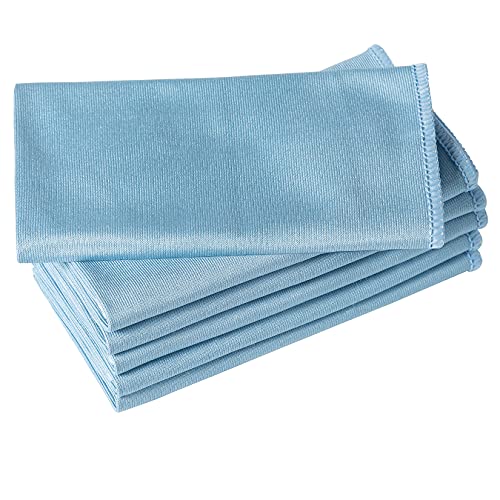
- Microfiber cloth for removing candle wax from glass


Before You Start
Prepare a small, unobtrusive work area and protect surrounding edges with a towel. Safety first: use the plastic scraper first to minimize scratches; reserve razor blades for stubborn spots only. Test any method on a discreet area to confirm it won’t scratch delicate glass. Plan for a 10–20 minute cleanup for a typical candle wax spill.
Step-By-Step: How To Clean Wax Off Glass
- Allow the wax to cool and harden fully. If warm, pause until it sets to a firm state to reduce smearing.
- Gently lift the edge with a plastic glass scraper for wax removal and lift away as much as possible in smooth, even strokes.
- For stubborn patches, switch to a razor blade glass scraper with handle and hold the blade at a slight angle away from the glass to avoid gouging.
- Wipe the area with a damp microfiber cloth to remove loosened wax and any residue. Rinse the cloth frequently to prevent redepositing.
- Apply a small amount of warm water or a mild soap solution and use a glass cleaning squeegee for wax removal to pull wax away from the surface in one direction.
- Use a nylon scrub brush for glass cleaning on textured or stubborn spots, working gently in circular motions to lift remaining wax without scratching.
- Dry the glass with a clean microfiber cloth, checking for any streaks or remaining wax. Repeat as needed on particularly etched or decorative glass.
- Finish with a dedicated glass cleaner or a vinegar-water solution for a streak-free shine, buffing with a lint-free cloth.
- Inspect edges and corners for any resin-like film and repeat the appropriate steps if necessary.
- Dispose of used cloths and ensure the area is completely dry to prevent future residue buildup.
- If the glass is part of a fixture or display, reassemble cautiously and check for any damage before regular use.
Troubleshooting
| Symptom | Likely Cause | Fix | Prevention |
|---|---|---|---|
| Wax smears remain after cleaning | Wax smeared while warm | Re-cool wax then re-clean with scraper and microfiber | Allow wax to cool fully before cleaning |
| Scratches appear | Razor blade used at wrong angle or over abrasive surface | Switch to plastic scraper and use minimal pressure | Always use new blades and test on inconspicuous area |
| Streaky glass | Residue left or improper drying | Clean with glass cleaner and dry with fresh microfiber | Dry immediately after cleaning |
| Etching or dull spots | Over-aggressive scrubbing | Limit scrubbing pressure and consider professional restoration if needed | Avoid harsh cleaners |
Common Mistakes
- Using metal blades on delicate glass or edges
- Scrubbing too hard, causing micro-scratches
- Rushing the drying process, leaving water spots
- Overusing solvent-based cleaners that can leave residues
Taking a measured pace and choosing the right tool for the job helps prevent damage and improves the final clarity of glass surfaces.
Tips For Best Results
- Cool wax before removal to minimize spreading. A brief chill with a cold pack can help manage tough spills.
- Keep a dedicated, lint-free microfiber cloth for wax removal to avoid cross-contamination with other surfaces.
- Work in a well-lit area to spot any remaining wax and ensure a spotless finish.
- For large panes, break the job into sections to avoid re-smearing wax across already-cleaned areas.
- Consider a wax-removing solvent specifically designed for glass if natural methods struggle, but test first in a hidden area.
Call A Professional
Seek professional help if wax has deeply penetrated etched glass, damaged decorative coatings, or if the glass is part of a treasured antique or fixture. Stop and contact a glass restoration specialist when any edge chipping, cracking, or sudden weathering is observed.
FAQ
Can I use hot water to remove wax?
Hot water can soften wax and spread it; it’s better to use warm or cool water and a scraper first, then wipe with a microfiber cloth.
Is a razor blade safe on all glass
No. Razor blades can scratch or cut certain glass types or coatings. Use plastic scrapers first and test on a hidden spot.
What cleaner helps prevent streaks?
Glass cleaner or a vinegar-water solution often helps prevent streaks when dryed with a microfiber cloth.
Can I repurpose household tools for this task?
Yes. Plastic scrapers, squeegees, and microfiber cloths are all suitable, with caution to avoid scratching delicate surfaces.
How do I remove stubborn wax from textured glass?
A nylon scrub brush combined with warm water and a gentle cleaner can lift wax from textured areas without scratching.
Is it safe to use a wax remover solvent?
Yes, if the product is labeled safe for glass surfaces; always test first and follow the manufacturer’s instructions.
Should I wax-seal after cleaning?
Wax-sealing is typically unnecessary for glass surfaces intended to stay wax-free; consider a protective coating only if appropriate for the item.
Buying Guide
When selecting tools to clean wax off glass, consider size, grip, and material compatibility. For large panes, a sturdy glass cleaning squeegee with a wide blade can speed up the process. A flexible plastic scraper is ideal for delicate edges and thin panes, while a razor blade with a handle offers power for stubborn spots—though it should be used cautiously and only when necessary. Choose a nylon scrub brush for textured surfaces and a microfiber cloth for final polishing and streak-free results. Look for tools designed for glass care, and avoid rough, low-quality blades that may scratch surfaces. For best results, combine at least two of the recommended tools to handle different wax residues efficiently.