Keeping a pet bird healthy requires regular cage maintenance. A clean cage reduces odor, prevents the buildup of droppings and bacteria, and supports the bird’s wellbeing. This guide provides a practical, safety‑mocused approach for American households, using common tools and non‑toxic products.
Quick Answer
Clean the cage weekly, rinse with warm water, scrub with a dedicated brush, spray with a bird‑safe disinfectant, and dry completely before returning the bird to its home. Always wear gloves and avoid harsh chemicals near birds.
What You’ll Need
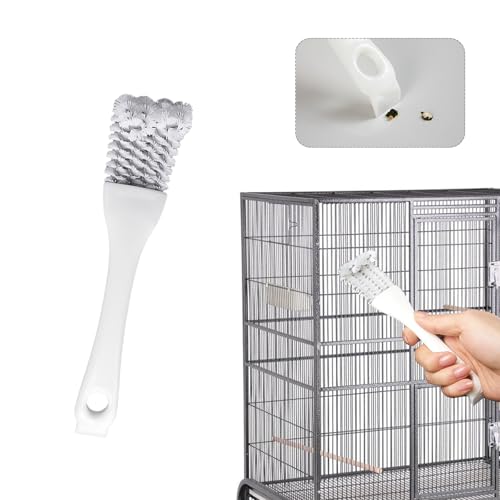
- Stainless steel bird cage cleaning brush
- Soft bristle bird cage cleaning brush
- Bird cage cleaning spray bottle
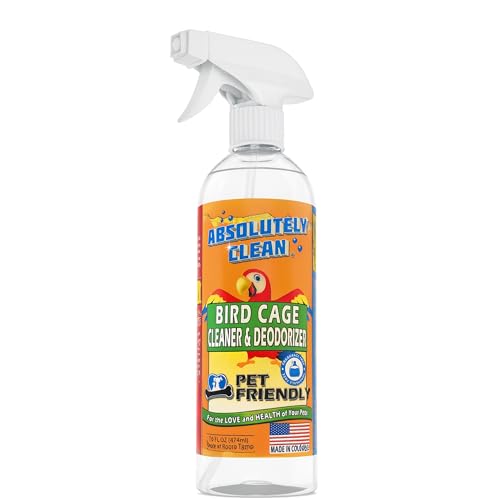
- Non-toxic bird cage disinfectant spray safe for birds
- Bird cage cleaning gloves rubber grip
Before You Start
Prepare a well‑ventilated area for cleaning and place a towel or mat underneath the cage. Wear rubber‑grip gloves to protect hands from droppings and cleaners. Remove the bird and any perch toys, placing them in a separate temporary enclosure if needed. Check the cage’s material—stainless steel, enamel, or coated bars require different care. Set aside a predictable time window, typically 15–30 minutes for a small cage or longer for larger setups.
Step-By-Step: How To Clean A Bird Cage
- Take the bird out and place it in a safe temporary enclosure with water and a few toys. This minimizes stress and exposure to cleaning products.
- Empty and rinse the cage, removing all food dishes and perches. Use a soft bristle bird cage cleaning brush for delicate rinsing around corners.
- Scrub interior surfaces with a stainless steel bird cage cleaning brush to dislodge caked droppings. Focus on bars, corners, and tray edges.
- Wipe down the tray with a damp cloth, then spray the interior with a non-toxic bird cage disinfectant spray safe for birds. Let it sit for the dwell time indicated by the product label.
- Rinse surfaces thoroughly with warm water to remove any residue. Residual cleaner can irritate birds, so complete rinsing is essential.
- Spritz the exterior, perches, and toys with the cleaning spray bottle, then wipe clean. Avoid spraying directly into the bird’s area; allow drying before reintroducing the bird.
- Dry all components completely with a clean towel or allow air drying. Moisture left in crevices can encourage mold growth.
- Reassemble the cage with fresh food and water dishes, then reintroduce the bird after confirming all surfaces are dry and free of fumes.
Troubleshooting
| Symptom | Likely Cause | Fix | Prevention |
|---|---|---|---|
| Strong odor returns within days | Dirty tray or hidden residue | Deep clean the tray and rinse thoroughly | Clean weekly; empty droppings daily |
| Sticky surfaces after cleaning | Cleaner residue | Rinse with warm water and wipe dry | Use minimal product; test on a small area first |
| Bird shows coughing or sneezing after cleaning | Airborne fumes | Ventilate area and use bird‑safe disinfectant only | Never spray near the bird; ensure complete drying |
| Discoloration or rust on cage bars | Harsh cleaners or incompatible coatings | Switch to gentler, bird‑safe products | Follow manufacturer materials guidelines |
Common Mistakes
- Using household cleaners with strong scents or ammonia near birds.
- Leaving disinfectant residue on bars, perches, or dishes.
- Neglecting to dry the cage completely before reintroducing the bird.
- Overlooking the tray and lower surfaces where waste accumulates.
- Ignoring the bird’s safety when removing toys or accessories during cleaning.
Tips For Best Results
- Choose a non-toxic bird cage disinfectant spray safe for birds and follow the label for dwell time and rinsing requirements.
- Use a stainless steel bird cage cleaning brush for sturdy, long‑lasting scrubbing and ease of sanitizing.
- Keep a dedicated cleaning station to prevent cross‑contamination with food and water dishes.
- Schedule routine cleanings in alignment with the bird’s feeding routine to minimize stress.
- Inspect perches and toys for damage and replace worn components to maintain hygiene and safety.
Call A Professional
Contact a veterinarian or avian expert if the bird shows persistent respiratory signs, signs of chemical irritation after cleaning, or if the cage material shows corrosion or structural damage. Seek professional help immediately in cases of severe coughing, wheezing, or rapid weight loss in the bird.
FAQ
How often should I clean a bird cage?
Weekly deep cleans with daily quick wipe‑downs keep birds healthy and the cage smelling fresh.
Can I use regular household cleaners on a bird cage?
Avoid strong cleaners; opt for non-toxic, bird‑safe products and rinse thoroughly.
What is the best way to disinfect a bird cage?
Use a bird‑safe disinfectant spray, follow recommended dwell times, and rinse completely.
Are gloves necessary during cage cleaning?
Yes—rubber‑grip gloves protect hands from droppings and chemicals.
Should I remove all toys during cleaning?
It’s best to remove and sanitize toys separately to ensure all surfaces are properly cleaned.
How do I dry a cage quickly?
Wipe with a dry towel and allow open air drying before returning the bird.
What if I notice rust on the cage bars?
Replace compromised bars or consult the manufacturer for repair options.
Buying Guide
When selecting cage cleaning tools and products, pay attention to size, material compatibility, and safety. Consider the cage’s material—some finishes react to certain cleaners, so choose products labeled as safe for birds and appropriate for the cage’s coating. Noise level isn’t a major issue for most tools, but consider hand tools that minimize vibrations and splashing. Energy efficiency is less critical for cleaning gear, but reliable spray bottles with a controlled spray pattern help conserve products.
Key buying factors include:
- <bSize and compatibility – ensure brushes fit the cage’s bars and dimensions.
- <bNon-toxic safety – prioritize products labeled bird‑safe and odorless after drying.
- <bControl and reach – ergonomic brushes and spray bottles reduce user effort and improve reach in corners.
- <bDurability – stainless steel tools tend to last longer and resist corrosion.
- <bReplacement parts – check if perches and dishes can be replaced independently.
By balancing these factors, bird owners can maintain a clean, safe environment while ensuring minimal stress for their feathered companions.