The Nee Doh ball is a popular squishy toy, but sticky residues can make it less satisfying to squeeze. This guide covers safe, effective methods to remove stickiness without harming the toy or surfaces. The steps prioritize gentle cleaners and common household tools to keep the Nee Doh ball pliable and clean.
Quick Answer
Gently lift surface residue with a non-abrasive sponge, then use a plastic-safe cleaning brush and microfiber cloth to lift remaining stickiness. For tougher spots, dab with adhesive remover wipes toy safe or a 70% isopropyl alcohol spray, followed by a rinse and air-dry completely.
What You’ll Need
- microfiber cleaning cloth for sticky toys
- plastic-safe cleaning brush soft bristle
- adhesive remover wipes toy safe
- isopropyl alcohol 70% spray for plastic toys
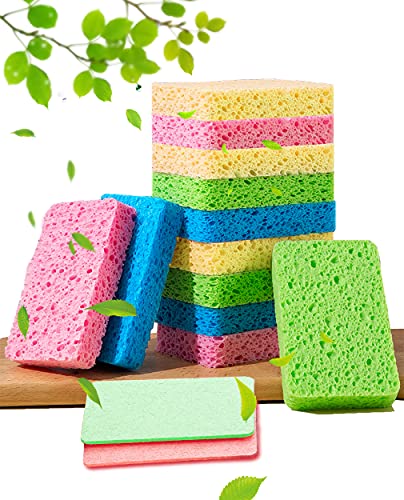
- non-abrasive sponge for sticky residue cleanup


Before You Start
Ensure you work in a clean, dry area and test cleaners on a small inconspicuous spot first. Avoid harsh solvents that could degrade the Nee Doh material. Do not use abrasive pads or scrub vigorously, which can damage texture. Surface oils from hands can re-stick the toy, so finish with a thorough wipe and dry.
Step-By-Step: How To Clean Nee Doh Ball Sticky
- Gently knead the Nee Doh ball to loosen adhered residues and make the surface more uniform.
- Wipe with a microfiber cleaning cloth to remove loose dust and oils.
- Lightly brush the surface with a plastic-safe cleaning brush soft bristle to lift embedded residues without tearing the material.
- Spot-clean tough sticky spots with an adhesive remover wipe toy safe, following product directions and testing first.
- If stickiness remains, spray a small amount of isopropyl alcohol 70% spray for plastic toys on a cloth (not directly on the toy) and wipe gently.
- Rinse any residue with a damp cloth to remove cleaner traces.
- Use a non-abrasive sponge to wipe the surface again, focusing on areas with stickiness.
- Pat dry with a clean cloth and allow the Nee Doh ball to air-dry completely before storing.
- Recheck after drying; repeat any steps as needed in small increments to avoid over-wetting.
- Store in a clean, dry place away from direct heat or sunlight to prevent material hardening.
- Condition the surface by lightly kneading the ball after it dries to restore its original softness.
Troubleshooting
| Symptom | Likely Cause | Fix | Prevention |
|---|---|---|---|
| Sticky spots persist after cleaning | Deep-set residue | Repeat gentle cleaning with microfiber cloth and soft brush | Clean promptly after use to prevent buildup |
| Color fade or surface dullness | Overuse of alcohol or harsh cleaners | Switch to gentle wipe-and-wash method; avoid excessive chemical use | Use cleaners sparingly and test first |
| Surface feels tacky after drying | Residual cleaner or oils | Wipe with a fresh damp cloth, then dry | Rinse until no soapiness remains |
| Material seems stiff or hard | Over-drying or heat exposure | Let it sit in a cool, shaded area and knead to restore flexibility | Avoid direct heat and prolonged air exposure |
Common Mistakes
- Using abrasive sponges or pads that scratch the toy’s surface
- Relying solely on soap without rinsing thoroughly
- Applying cleaners directly to the Nee Doh ball and letting them sit
- Ignoring drying time, which can trap moisture and re-stick
Better results come from gentle, repeated passes with appropriate materials and allowing complete drying between steps.
Tips For Best Results
- Spot-test any cleaner on a small area before full application.
- Keep cleaners on a soft cloth rather than spraying directly onto the toy.
- Work in a well-lit area to catch all sticky residues.
- For frequent stickiness, clean after each play session to prevent buildup.
- Store away from fabrics that shed lint, which can transfer to the surface during cleaning.
Call A Professional
Seek professional help if the Nee Doh ball shows signs of cracking, excessive color change, or if cleaning attempts fail and residues persist after multiple gentle cleanings. Stop cleaning if you notice material degradation, strong odor, or unusual texture changes.
FAQ
Can I use household alcohol on all Nee Doh balls?
Most plastic toys tolerate 70% isopropyl alcohol when used sparingly on a cloth, but always test first.
Is adhesive remover safe for Nee Doh?
Only use toy-safe adhesive removers and test on a hidden area before broader use.
How often should I clean a sticky Nee Doh ball?
Clean as soon as stickiness is noticeable to maintain texture and play quality.
What should I do if the ball becomes too stiff after cleaning?
Let it rest in a cool area and knead gently to restore softness; avoid heat.
Are there natural alternatives to chemicals?
Plain water and a soft cloth can remove many residues; for tougher spots, rely on toy-safe cleaners as a last resort.
Can I use a dishwasher or washing machine?
Neither is recommended; hand-cleaning preserves material integrity.
Should I wipe the Nee Doh after every use?
Yes, a quick wipe with a microfiber cloth helps prevent buildup and stickiness over time.
Buying Guide
When choosing cleaning methods and accessories for Nee Doh balls, consider factors such as material compatibility, ease of use, and safety. Look for gentle, toy-safe cleaners and non-abrasive tools that fit the ball’s soft texture. Think about how often you clean the ball and where you typically store it to select tools that minimize residue transfer and damage. Consider the following factors:
- Size and texture: Smaller or uniquely textured Nee Doh variants may require finer brushes or sponges.
- Noise level: Noisy brushes can be annoying in quiet spaces; opt for soft, low-noise tools.
- Energy efficiency of cleaners: Choose water-based and low-odor formulas to reduce fumes and drying time.
- Controls: Simple application methods (damp cloth vs spray) help prevent overuse.
- Placement: Clean in a well-ventilated area and store away from heat sources to maintain pliability.
For best results, combine a microfiber cloth with a soft-bristle brush and toy-safe cleaners. If you encounter persistent stickiness, consider professional guidance to avoid compromising the toy’s integrity.