Carbon fiber surfaces require careful cleaning to maintain their appearance and structural integrity. This guide outlines practical steps, safe products, and common mistakes to avoid when cleaning carbon fiber in homes, garages, and hobby workspaces.
Whether treating a carbon fiber bicycle frame or a molded panel, following the right technique helps preserve resin coatings and decals while removing dirt, oil, and grime.
Quick Answer
Choose gentle, non-abrasive cleaners and soft, lint-free cloths. Use isopropyl alcohol sparingly and test a hidden area first. For finishes with resin coatings or decals, rely on products labeled safe for epoxy resin or resin coatings and follow manufacturer’s directions.
What You’ll Need
- Carbon fiber panel cleaning kit microfiber cloths safe for epoxy resin
- Carbon fiber surface cleaner spray safe for resin coating
- Isopropyl alcohol for carbon fiber cleaning safe
- Carbon fiber bicycle frame cleaner spray
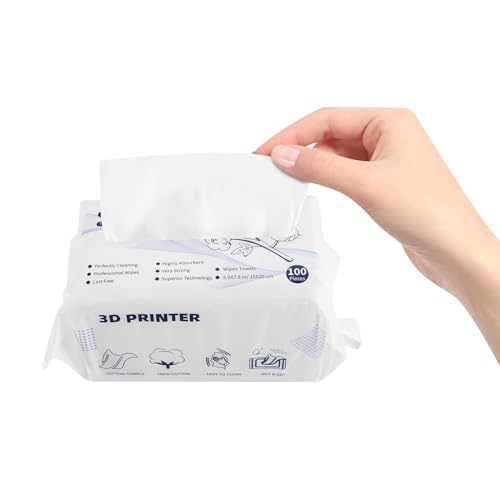
- Carbon fiber decal and resin cleaning wipes


Before You Start
Assess the surface for damage before cleaning. Use gentle, non-abrasive motions and avoid aggressive scrubbing that can scratch resin or decals. Work in a shaded area to prevent rapid evaporation and streaking. If cleaning a large area, set aside 20–40 minutes for a thorough, residue-free finish. Always test any cleaner on a hidden spot first to ensure compatibility with your finish.
Step-By-Step: How To Clean Carbon Fiber
- Prepare your workspace and gather all supplies, ensuring the area is free of grit that could scratch the surface.
- Begin with dry brushing or a dry microfiber cloth to remove loose dust and debris without applying moisture.
- Apply a small amount of carbon fiber surface cleaner spray safe for resin coating to a microfiber cloth, never directly onto the surface.
- Wipe the surface in smooth, straight motions along the grain or across large panels to lift dirt without abrading the finish.
- For stubborn grime, lightly dampen a cloth with isopropyl alcohol for a controlled clean, then wipe again with a clean, dry cloth.
- Use carbon fiber decal and resin cleaning wipes only on areas with decals or resin coatings, following the wipe instructions closely.
- Rinse is optional depending on the cleaner’s instructions, but ensure you remove any residue that could attract dust.
- Dry the surface completely with a soft microfiber towel to prevent watermarks or streaks.
- Inspect for any dull spots or residue and repeat the appropriate step on affected areas.
- Apply a light final wipe with a clean microfiber cloth to restore the surface sheen.
- Store cleaning supplies in a cool, dry place away from direct sunlight to preserve their effectiveness.
Troubleshooting
| Symptom | Likely Cause | Fix | Prevention |
|---|---|---|---|
| Streaks after cleaning | Residual cleaner or moisture | Wipe again with a dry cloth; ensure full drying | Use minimal cleaner and wipe in straight lines |
| Scratches appear | Abrasive material or hard scrubbing | Switch to softer cloths and gentler motions | Use non-abrasive microfiber only |
| Discoloration on decals | Harsh chemicals contacting decals | Limit cleaner contact to decals-safe products | Test in hidden area first |
| Sticky residue after cleaning | Stubborn resin or wax buildup | Re-clean with resin-safe wipe and soft cloth | Follow product directions and avoid over-application |
Common Mistakes
- Using harsh household cleaners not formulated for resin or epoxy finishes
- Scrubbing with abrasive pads or rough towels
- Over-wetting the surface and letting moisture sit on seams or decals
- Applying cleaners directly to large areas without a cloth barrier
Tips For Best Results
- Test cleaners on a hidden area before full use to confirm compatibility with epoxy and decals.
- Work in a shaded, well-ventilated space to prevent streaks and chemical odors.
- Use a dedicated set of microfiber cloths for carbon fiber to avoid cross-contamination with other finishes.
- Maintain a consistent cleaning rhythm—short, even strokes prevent uneven wear on resin coatings.
- For frequent cleaning, consider a routine that combines a spray cleaner with a microfiber wipe for quick touch-ups.
Call A Professional
Contact a professional if you notice deep scratches, peeling decals, delamination, or any structural damage to the carbon fiber. Seek urgent help for surfaces that show cracking under load, visible fiber exposure, or moisture intrusion behind resin coatings.
FAQ
Can I use household alcohol to clean carbon fiber?
Yes, but use it sparingly on small areas and avoid prolonged exposure to sensitive decals or resin coatings.
Is it safe to use spray cleaners on carbon fiber frames?
Most carbon fiber surface cleaners labeled safe for resin coatings are suitable; follow product directions and test first on a hidden spot.
Should I rinse after cleaning?
Rinsing is optional and depends on the cleaner used. If the product instructs rinsing, do so; otherwise, dry thoroughly.
How do I protect decals after cleaning?
Avoid harsh chemicals near decals and use decals-safe wipes to prevent lifting or fading.
Buying Guide
When selecting cleaning products for carbon fiber, consider size of the area, the type of finish (matte vs glossy), and whether the surface includes decals or resin coatings. Noise level and energy efficiency apply to power tools; for manual cleaning, these factors are less relevant. Look for a compatible kit that includes microfiber cloths and safe cleaners, and ensure the products explicitly state compatibility with epoxy resin or resin coatings. For large or delicate surfaces, a dedicated bicycle frame cleaner spray can simplify routine maintenance. Placement of cleaning supplies should keep solvents away from heat sources and direct sunlight to preserve their effectiveness and safety.