Keeping refrigerator drawers clean helps prevent lingering odors and keeps fruits, vegetables, and other items fresh. This guide provides a practical, step-by-step approach suitable for American kitchens and uses common household tools to tackle grime, spills, and residue inside drawer cavities.
Quick Answer
Remove the drawers, wash with warm soapy water, scrub any stubborn spots, rinse well, dry completely, and reassemble. For tough buildup, use a dedicated cleaning brush along with a plastic scraper to lift stuck residue without scratching surfaces.
What You’ll Need
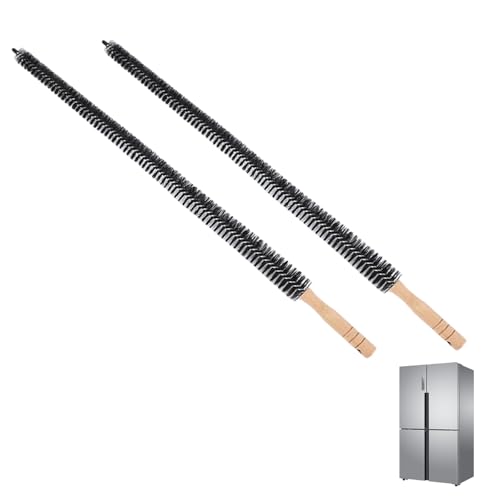
- Fridge Drawer Cleaning Brush Set
- Refrigerator Drawer Scrub Brush
- Microfiber Cloth For Refrigerator Shelves
- Plastic Scraper For Fridge Drawers
- Reusable Sponge Scrubber For Kitchen Appliance Drawers


Before You Start
Unplug the appliance or ensure the fridge is at a safe temperature. Remove all drawers and transfer any contents to a cooler or another cold space. Protect surfaces with a towel to catch drips. Use warm water and mild dish soap; avoid harsh chemicals that can leave residues on food-contact surfaces. Allow extra time for thorough drying to prevent mold growth.
Step-By-Step: How To Clean Refrigerator Drawers
- Take out all drawers and empty them completely.
- Rinse drawers under warm water to loosen loose debris.
- Dip the refrigerator drawer scrub brush into soapy water and scrub all surfaces, paying attention to corners and track edges.
- Use the plastic scraper to lift stuck grime without scratching the plastic surfaces.
- Wipe interior surfaces with a microfiber cloth, then rinse with clean water, rescrubbing any stubborn spots as needed.
- Dry drawers completely with a dry microfiber cloth before reloading.
- Inspect drawer rails and seals; wipe them gently to remove dust and grime.
- Return drawers to the fridge and restock contents, organizing by type for easier future cleaning.
- Optionally, run a quick interior wipe-down of shelves and the fridge interior to maintain overall cleanliness.
- Schedule routine cleanups every 1–3 months to prevent buildup and odors.
- If odors persist, consider a mild baking soda solution wipe (1 tablespoon baking soda per cup warm water) followed by a thorough rinse and dry.
- Store items in clear containers to reduce future spills and simplify cleanup.
Troubleshooting
| Symptom | Likely Cause | Fix | Prevention |
|---|---|---|---|
| Persistent odors after cleaning | Residue or mold in seams | Wipe with a baking soda solution, rinse, and dry completely | Regular wipe-down and dry after each use |
| Stains that won’t come out | Deep-set spills or dye | Apply a paste of baking soda and water, let sit, then scrub | Address spills immediately |
| Scratches appear on plastic drawers | Harsh scraping | Switch to gentler brushes and always use a plastic scraper carefully | Avoid using metal tools |
| Drawers stick when sliding | Residue on rails | Clean rails with a damp cloth and ensure they are dry | Minimal moisture and quick weekly checks |
Common Mistakes
- Using abrasive cleaners that degrade plastic or leave residues.
- Leaving drawers wet, which promotes mold growth.
- Overfilling with wet items that spill during removal.
- Neglecting the rails and seals, leading to uneven drawer movement.
Sticking to mild cleaners, thorough drying, and regular maintenance reduces these issues over time.
Tips For Best Results
- Always remove contents first to inspect for spoilage and leaks.
- Line drawers with a clean liner or use clear containers to catch spills, simplifying future cleanings.
- Use microfiber cloths for streak-free drying and to minimize lint or fibers left behind.
- Keep a small cleaning kit handy in the kitchen for quick touch-ups between deep cleans.
Call A Professional
Contact a professional if there is visible mold that you cannot remove, persistent cooling issues along with foul odors that recur after cleaning, or if drawers and rails show warping or cracking. Seek help for electrical faults or when the appliance is under warranty and requires service.
FAQ
Can I use vinegar to clean refrigerator drawers?
Yes, a diluted solution of white vinegar and water can disinfect and cut through odors, but rinse and dry thoroughly to avoid any lingering vinegar scent on food items.
How often should I clean the drawers?
Clean the drawers every 1–3 months or when spills occur. Deep cleaning is recommended a few times per year, especially after seasons with heavy produce use.
Are there safer cleaners for food-contact surfaces?
Use mild dish soap and warm water; avoid ammonia or bleach on plastic parts that contact food. Rinse well to remove any chemical residues.
What if the drawers remain sticky after cleaning?
Apply a small amount of warm, soapy water and scrub again with the brush. If needed, use a gentle plastic scraper to lift any residue, then rinse and dry completely.
Buying Guide
When shopping for tools to clean refrigerator drawers, consider factors like build quality, flexibility, and compatibility with common household cleaners. Look for a fridge drawer cleaning brush set and a refrigerator drawer scrub brush that reach corners and rails easily. A microfiber cloth for refrigerator shelves ensures effective drying without leaving lint. A plastic scraper for fridge drawers helps with stuck grime, while a reusable sponge scrubber for kitchen appliance drawers offers durable scrubbing power. Evaluate kit contents, handle comfort, and ease of cleaning the tools themselves. Consider drawer size compatibility and whether sets come with multiple brush sizes for different drawer depths. For households with frequent spills or strong odors, investing in durable, dishwasher-safe tools can save time and effort in the long run.
Size and layout matter: full-width drawers may benefit from longer brushes; shallow or deep drawers need flexible handles. Noise level is generally not a concern with these tools, but choosing compact, non-slip grips helps during wet cleanup. Energy efficiency is not a direct factor here, but selecting reusable tools reduces waste and ongoing costs. Place the cleaning kit in a reachable cabinet or pantry so it’s ready for quick cleanup after grocery days. Would a modular kit that fits in a single drawer make maintenance easier? It often does, keeping everything organized and accessible.