Thrift store pillows can be a great, affordable find, but they require careful cleaning to remove odors, dust, and potential allergens. This guide provides practical steps for safely refreshing thrift store pillows so they’re ready for use in a bed, sofa, or guest room. The methods balance effectiveness with fabric safety, focusing on accessible tools and common household supplies.
Before starting, assess the pillow type (filling, cover material, and any care labels). Some pillows may be best treated as decorative inserts, while others are suitable for full cleaning. Always err on the side of caution if a pillow shows staining, mold, or an unusual odor that persists after cleaning.
Quick Answer
What you’ll do: Inspect the pillow, surface-clean with a fabric-safe method, treat stains, and refresh fabrics. Use a gentle steam or cleaning approach to avoid over-wetting, then air-dry completely before use.
What You’ll Need
- Handheld fabric steamer for pillows
- Upholstery cleaning vacuum attachment
- Fabric stain remover spray for pillows
- Portable washing bag for pillow covers
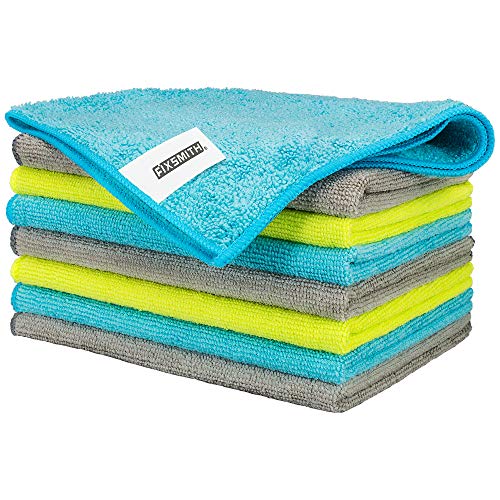
- Microfiber cleaning cloth set for pillow care


Before You Start
Plan a two-step approach: clean the pillow cover and address any inner fill if possible. Ensure the workspace is well-ventilated and use a protective surface to catch any moisture. Time estimates vary by pillow type: expect about 30–90 minutes for a full refresh, including drying. Do not machine-wash memory foam or shredded fill pillows unless the care label explicitly allows it.
Safety notes: test cleaning products on a small inconspicuous area of the cover first, especially with delicate fabrics. If an odor is strong or persists after cleaning, consider replacing the pillow rather than risking exposure to irritants.
Step-By-Step: How To Clean Pillows From A Thrift Store
- Remove pillow covers if possible; place them in a portable washing bag for gentle cleaning.
- Vacuum the pillow surface with an upholstery cleaning vacuum attachment to remove dust and debris.
- Spot-clean any stains with a fabric stain remover spray, following the product directions and using a microfiber cloth to blot—never rub aggressively.
- For covered pillows, gently steam the fabric with a handheld fabric steamer to relax fibers and help kill surface bacteria.
- If the cover is fabric-safe for washing, launder on a gentle cycle with mild detergent; use a mild scent-free option if sensitive noses are a concern.
- Remove the cover from the insert and allow the cover to dry completely before reassembly; air-dry away from direct heat.
- Inspect the inner fill. If there is visible moisture, blot with a dry microfiber cloth and allow additional air-drying time in a warm, dry area.
- Fluff the insert to restore loft and prevent lumping; if fill remains flattened, consider replacing the insert for best support.
- For non-washable fillings, use steam lightly and a color-safe fabric spray to refresh the surface, avoiding over-wetting.
- Reassemble the pillow once both cover and insert are fully dry; test for any odor or stiffness before regular use.
- Store cleaned pillows in a dry, breathable space to prevent future mildew buildup.
- Regular maintenance: vacuum weekly and spot-clean as needed to extend freshness between full cleanings.
Troubleshooting
| Symptom | Likely Cause | Fix | Prevention |
|---|---|---|---|
| Musty odor after cleaning | Moisture trapped in filling | Air-dry longer; use a dehumidifier in the room | Dry promptly after cleaning |
| Stains reappearing | Residue left from stain remover or fabric | Rinse and blot thoroughly; test additional cleaning | Pre-treat with stain remover sparingly |
| Fabric color fading | Aggressive cleaners or heat | Switch to mild cleaners; air-dry away from heat | Use color-safe products |
| Clumping of fill after washing | Moisture pooling inside | Gently reshape the insert and ensure thorough drying | Improve airflow during drying |
Common Mistakes
- Over-wetting the pillow, which prolongs drying and can encourage mildew.
- Using harsh chemicals on delicate fabrics or decorative pillows.
- Skipping a test patch on the fabric before full stain treatment.
- Using high heat during drying, which can warp or shrink fabrics.
- Piling mildew-positive pillows back into storage without full drying.
Tips For Best Results
- Test any cleaner on a hidden area first to verify colorfastness.
- Work in a well-ventilated area and use a fan or open window to speed drying.
- For sensitive sleepers, consider using fragrance-free cleaning products.
- Rotate pillow placement to keep loft even after cleaning.
- Schedule seasonal refreshes to maintain hygiene and freshness.
Call A Professional
Seek professional help if the pillow exhibits persistent mold, structural damage, or persistent odors that do not respond to home cleaning methods. Stop using the pillow immediately if you notice staining spreading, unusual discoloration, or signs of infestation. Wear protective gloves and ensure proper ventilation if cleaning moldy textiles.
FAQ
Can thrift store pillows be machine washed?
It depends on the pillow cover and insert materials. Always check care labels; use gentle cycles and appropriate settings for non-washable fills.
Is it safe to use a steamer on decorative pillows?
Yes, a handheld fabric steamer is generally safe for most fabric covers, but avoid overheating delicate fabrics and always test first.
How can I remove strong odors from pillows?
Ventilation, surface spot-cleaning, and mild odor absorbers can help; ensure thorough drying after any treatment.
Should I replace the inner fill?
Replace if there is persistent odor, clumping, uneven loft, or signs of deterioration in the fill.
What is the best way to dry pillows after cleaning?
Air-dry in a warm, dry area with good airflow; avoid direct heat sources that can warp the fabric or fill.
Buying Guide
When choosing refurbishment methods for thrift store pillows, consider size, material compatibility, and care requirements. Key buying factors include:
- Size and shape to fit existing pillow covers or furniture décor.
- Noise level for any cleaning tools used in bedrooms or quiet spaces.
- Energy efficiency for steamers or vacuums used during cleaning routines.
- Controls on cleaning devices that allow gentle, fabric-safe operation.
- Placement considerations to avoid moisture buildup and ensure proper drying.
For best results, think about a cohesive care kit that includes a handheld fabric steamer, upholstery vacuum attachment, fabric stain remover spray, portable washing bag, and microfiber cloths. Compare how each tool supports safe removal of odors, stains, and dust while preserving fabric integrity. If you frequently refresh home textiles, opt for reliable, easy-to-clean options and a setup that minimizes moisture risk. Would you like help selecting a starter kit tailored to your pillow types and care goals?