Fiberglass tubs offer a smooth, durable surface that is susceptible to soap scum, water stains, and unwanted scratches when cleaned improperly. This guide provides practical, step-by-step instructions using common household tools and specifically chosen cleaners to keep a fiberglass tub looking pristine without damaging the surface.
Quick Answer
For best results, start with a non-abrasive cleaner and a soft brush or microfiber cloth. Avoid harsh scrubs and abrasive pads. Rinse thoroughly after each cleaning pass to prevent residue buildup.
What You’ll Need
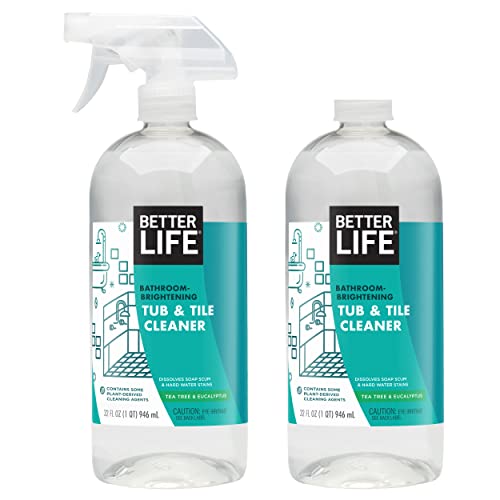
- Non-abrasive fiberglass tub cleaner spray — gentle on gel-coat and prevents scratching
- Gel cleaner for fiberglass tubs non-abrasive — effective for tough stains without rough scrubbing
- Soft bristle scrub brush for fiberglass tub — gentle enough to avoid micro-scratches
- Non-scratch scrub pad for fiberglass tub — for localized scuffs without harming the surface
- Microfiber cleaning cloth for fiberglass tub — excellent for wiping down and buffing


Before You Start
Prepare the tub area by removing bath products and drying the surrounding surfaces. Ventilate the bathroom if possible and avoid mixing cleaners, especially ammonia-based products with any bleach. Time estimate: 15–30 minutes for routine cleaning, longer for heavy buildup. Key cautions: never use abrasive pads, steel wool, or harsh acidic cleaners on fiberglass, as these can scratch and dull the surface.
Step-By-Step: How To Clean Fiberglass Tub
- Clear the tub and rinse with warm water to remove loose debris.
- Apply a non-abrasive fiberglass tub cleaner spray to the tub walls and floor, focusing on stained areas.
- Let the cleaner sit for 5–10 minutes to loosen grime without drying or hardening on the surface.
- Gently scrub using a soft bristle scrub brush for fiberglass tub or a non-scratch scrub pad for fiberglass tub in circular motions.
- For stubborn stains, apply a small amount of gel cleaner for fiberglass tubs non-abrasive directly to the spot and continue gentle scrubbing.
- Rinse thoroughly with warm water, ensuring all cleaners are removed to prevent residue buildup.
- Wipe down with a microfiber cleaning cloth for fiberglass tub, then buff to a streak-free shine.
- Inspect corners, grout lines, and drain area; repeat steps as needed for remaining spots.
- Dry the tub with a clean microfiber cloth to prevent water spots and mineral buildup.
- Return bath items and run a quick rinse to ensure no cleaner remains after the final wipe.
- Store cleaners securely and label future-use containers to avoid mixing chemicals unintentionally.
- For routine maintenance, repeat every 1–2 weeks or as needed based on usage and water quality.
Troubleshooting
| Symptom | Likely Cause | Fix | Prevention |
|---|---|---|---|
| Cloudy residue after cleaning | Residue from cleaner or mineral deposits | Wipe with a clean microfiber cloth dampened with water; re-rinse and buff | Rinse thoroughly after cleaning; dry surfaces |
| Streaks on tub | Water spots or improper drying | Dry with microfiber cloth and buff | Dry the tub after every cleaning |
| Scratches appearing | Using abrasive tools | Switch to soft brushes and non-scratch pads | Avoid steel wool and rough scouring pads |
| Persistent soap scum | Hard water minerals or daily residues | Pre-treat with gel cleaner or spray; longer dwell time | Rinse after use; wipe down frequently |
Common Mistakes
- Using abrasive pads or powders on fiberglass surfaces
- Mixing incompatible cleaners that can release harmful fumes or dull the finish
- Letting cleaner dry on the surface before scrubbing
- Skipping a thorough rinse, leaving residue that attracts more dirt
Tips For Best Results
- Always test a small, inconspicuous area before applying a cleaner to the full tub surface.
- Use warm water rather than hot water to avoid stressing or warping the fiberglass over time.
- For daily maintenance, a quick wipe with a microfiber cloth after showering can reduce buildup significantly.
- Consider a dedicated fiberglass-safe cleaner spray for regular upkeep to simplify routine maintenance.
Call A Professional
Consider contacting a professional if there are deep cracks, significant structural damage, or persistent discoloration that does not respond to standard cleaning. Stop cleaning and seek expert advice if there is any visible softening, warping, or mold growth behind the tub surface.
FAQ
What should I use to clean a fiberglass tub without scratching it?
Use a non-abrasive fiberglass tub cleaner spray or gel cleaner for fiberglass tubs non-abrasive with a soft bristle brush or microfiber cloth to avoid scratches.
Can I use vinegar or bleach on a fiberglass tub?
Avoid concentrated bleach or undiluted vinegar on fiberglass; they can degrade the surface over time. If you must use cleaners with mild acidity, dilute appropriately and rinse well.
How often should I clean a fiberglass tub?
Routine cleaning every 1–2 weeks works for most households; adjust based on usage and water quality.
What should I do about hard water stains?
Pre-treat with a non-abrasive gel cleaner and let it dwell longer before scrubbing with a soft brush.
Is there a difference between cleaning fiberglass tubs and acrylic tubs?
Fiberglass requires gentler, non-abrasive cleaners and soft tools to prevent scratching, similar to acrylic but with different finishes to protect.
How do I remove mildew from the tub area?
Use a bathroom-safe cleaner and ensure ventilation; rinse thoroughly and dry to prevent recurrence.
Can I use a magic eraser on fiberglass?
Avoid harsh scrubbing devices like rough sponges; if used, test first in a hidden area and do not apply heavy pressure.
Buying Guide
When selecting cleaning products for fiberglass tubs, consider size of the tub, typical stains, and water quality. A non-abrasive fiberglass tub cleaner spray paired with a soft bristle scrub brush for fiberglass tub and a microfiber cleaning cloth for fiberglass tub covers most needs. Look for products labeled safe for fiberglass and gel coats, with clear dwell times and rinse instructions. Noise level is not a major factor for cleaners, but ease of use and spray application matter for efficiency. Energy considerations are minimal for cleaning products, but choosing concentrated formulas can reduce packaging waste. For placement, ensure cleaners are stored away from children and pets, and consider spray bottles with adjustable nozzles for controlled applications. Compare products by stain removal capability, dwell time, and material compatibility to select the best combination for routine maintenance or tougher cleaning jobs. Are you aiming for a quick wipe-down after each shower or a deep-clean biweekly routine? Matching tools to your tub’s finish and mineral content will improve results and reduce wear over time.