Countertop dishwashers offer convenient, space-saving cleaning for small kitchens. Regular maintenance helps prevent odor, mineral buildup, and poor performance. This guide provides practical steps and the right tools to keep a portable countertop dishwasher clean, efficient, and long-lasting.
Using the correct methods to remove mineral deposits and sanitize the interior can extend the life of seals and filters. The steps below focus on safe, effective cleaning routines that address common issues like hard water stains and clogged filters without disassembling the unit.
Quick Answer
Run an empty cycle with a descaling tablet or a tablespoon of white vinegar, then scrub the interior with a dedicated cleaning brush and interior spray. Clean the filter and spray arms, then rinse with a hot-water cycle. Repeat monthly for best results.
What You’ll Need
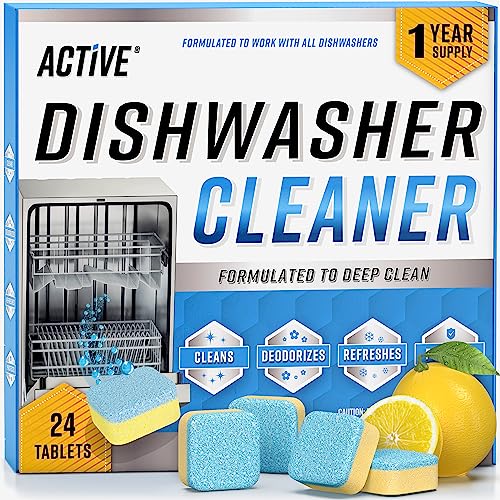
- Countertop dishwasher descaling tablets
- Countertop dishwasher cleaning brush
- Portable dishwasher interior cleaner spray
- Hard water stain remover for countertop dishwasher
- Countertop dishwasher filter cleaning brush


Before You Start
Unplug the unit and remove any racks or removable components. Check the user manual for model-specific disassembly instructions. Use a soft cloth to wipe the exterior. For safety, never mix cleaners with bleach or ammonia. If the dishwasher is showing persistent leaks, loud noises, or failure to drain, stop use and consult a professional.
Time estimate: 20–40 minutes for a thorough clean, plus 1–2 hours for a deep mineral treatment if needed. Critical cautions: avoid harsh abrasives that can scratch interior surfaces, and never immerse the base in water.
Step-By-Step: How To Clean Your Countertop Dishwasher
- Empty the unit and remove the filter basket. Rinse the interior with warm water to loosen residues.
- Apply portable dishwasher interior cleaner spray to the interior walls, focusing on corners and the door seal. Let it sit for 5–10 minutes.
- Scrub with the countertop dishwasher cleaning brush, paying attention to mineral buildup on the door seal, spray arms, and rack rails.
- Run an empty cycle with countertop dishwasher descaling tablets or a dedicated descaler in the reservoir. Use hot water if possible and run a full cycle to flush residues.
- For stubborn hard water stains, apply hard water stain remover for countertop dishwasher to affected areas and let it sit as directed, then scrub and rinse with a short cycle.
- Clean the countertop dishwasher filter cleaning brush to remove trapped debris. Reinsert the filter and ensure it sits securely.
- Rinse again with an empty cycle to ensure all cleaners are flushed from the system. Wipe the exterior with a damp cloth and dry thoroughly.
- Inspect spray arms for clogs. If needed, remove and rinse under running water, then reassemble.
- Run a final rinse cycle using clean water to verify there are no residues left and the unit runs smoothly.
- Document your cleaning schedule and consider a monthly wipe-down of seals and a quarterly deep clean for best results.
Troubleshooting
| Symptom | Likely Cause | Fix | Prevention |
|---|---|---|---|
| Water not heating | Low water temperature or heating element issue | Check water source and run hot water before cycles | Regular descaling to keep heating elements clear |
| Streaks on dishes | Residual cleaner or mineral buildup | Run an extra hot rinse cycle with no detergent | Use distilled water in mineral-heavy areas |
| Clogged spray arms | Debris or mineral deposits | Remove and rinse arms; clear holes with a pin | Clean arms during routine maintenance |
| Odor inside unit | Old food particles or mold in seals | Wipe seals with interior cleaner spray; run empty cycle | Wipe after each use and dry thoroughly |
| Noisy operation | Loose components or mineral buildup | Inspect for loose racks or brackets; descale | Regular cleaning and gentle handling |
Common Mistakes
- Using harsh abrasives or scrubbing pads that damage the interior finish.
- Omitting the filter or forgetting to clean it between uses.
- Skipping the rinse cycles after descaling, leaving residues that can affect future cleaning.
- Ignoring mineral buildup in hard-water areas, which reduces efficiency over time.
Tips For Best Results
- Schedule a monthly maintenance routine to keep gaskets, seals, and filters clear.
- Run hot cycles with descaling tablets to maximize mineral removal.
- Keep a dedicated brush for cleaning the interior to avoid cross-contamination with other cleaning tools.
- Store cleaning products in a cool, dry place away from heat sources to maintain their efficacy.
- Use a water-softening approach or a filtered water source if mineral buildup is persistent.
Call A Professional
If the countertop dishwasher shows persistent leaks, electrical issues, or fails to drain after multiple cleaning attempts, stop using the unit and contact a qualified appliance technician. Do not attempt to disassemble the power module or heating elements yourself. Seek professional help when the unit’s performance does not improve after routine maintenance.
FAQ
How often should I descale my countertop dishwasher?
Descale every 1–2 months in areas with hard water, and monthly if mineral buildup is prominent.
Can I use vinegar to clean the interior?
White vinegar can be used as a temporary descaling option, but follow with a dedicated descaling tablet for best results and to avoid any potential odor.
How do I clean the filter effectively?
Remove the filter basket, rinse under warm running water, use a soft brush to remove debris, and reassemble.
What if my spray arms are clogged?
Remove and rinse them, then clear any blocked holes with a thin pin or needle before reinstalling.
Is it safe to use cleaners on the exterior?
Yes, use a damp microfiber cloth with a mild cleaner and avoid abrasive scrubbers on painted or glossy finishes.
What’s the best way to prevent odors?
Run an empty hot-water cycle with a descaler or interior cleaner spray periodically and wipe seals after each use.
Buying Guide
The buying guide covers key factors to consider when choosing or maintaining a countertop dishwasher, ensuring a balance of performance, convenience, and cost.
- <bSize and capacity: Look for a model that fits your counter space and handle a typical load without overloading. Consider interior clearance for tall items and adjustable racks.
- <bNoise level: A quieter unit is preferable for open kitchens or shared spaces. Look for decibel ratings or user-reported noise descriptions.
- <bEnergy efficiency: Energy Star-rated units typically consume less electricity and water per cycle, helping long-term operating costs.
- <bControls and cycles: Simple, intuitive controls and a flexible range of cycles, including quick wash and heavy-duty, improve usability.
- <bPlacement and connectivity: Ensure stable placement on a dry, level surface; verify available water supply connections and drainage compatibility with your faucet or sink.
- <bMaterials and durability: Stainless steel interiors resist staining and corrosion; BPA-free plastics reduce chemical exposure in food contact areas.
- <bMaintenance features: Built-in descalers, accessible filters, and easy-to-clean spray arms simplify ongoing care.
- <bPrice vs. value: Balance upfront cost with replacement parts availability, warranty length, and maintenance supplies compatibility.