The Purigen resin is a popular chemical filtration media used to remove impurities from aquarium water. Proper cleaning and regeneration help maintain its effectiveness and extend its life. This guide walks through a safe, practical routine for refreshing Purigen and keeping it performing at its best for American home aquariums.
Following a consistent cleaning schedule can reduce maintenance surprises and support stable water quality. The steps below focus on standard maintenance cycles and do not require specialized equipment beyond common aquarium supplies.
Quick Answer
Fast method: Rinse Purigen in dechlorinated water until clear, optionally regenerate using the appropriate kit after bleaching as needed, then rinse again and return to service. For stubborn staining, use a bleaching bath kit following manufacturer instructions, and ensure complete rinsing before reusing.
What You’ll Need
- Seachem Purigen regeneration kit
- Purigen mesh bag for aquarium filter media
- Purigen bleaching bath kit aquarium
- Purigen rinsing container for aquarium use
- Purigen reactivation cleaning supplies aquarium
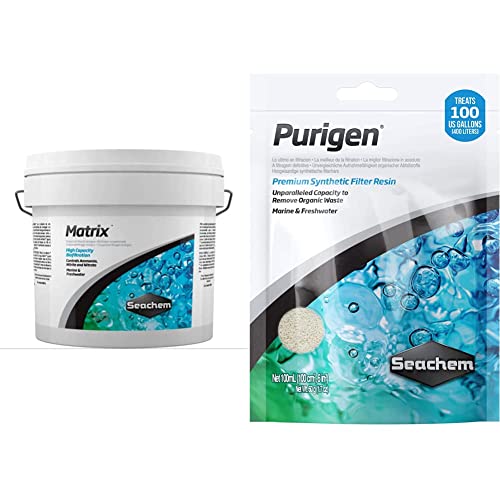


Before You Start
Before handling Purigen, rinse hands and prepare a clean workspace. Work in a well-ventilated area if using bleaching solutions. Use dechlorinated water to rinse media to prevent chlorine damage. Wear gloves if you have sensitive skin, and never mix cleaning chemicals with fish water. The typical maintenance cycle for Purigen is every 4–6 weeks, depending on bioload and water parameters.
Safety cautions: Bleaching is effective but must be fully rinsed out. Do not reuse contaminated rinse water for aquarium use. Inspect the mesh bag for tears or frayed edges before reusing.
Step-By-Step: How To Clean Purigen In An Aquarium
- Turn off or pause filtration to prevent Purigen from being displaced during handling.
- Remove the Purigen mesh bag from the filter and place it in the Purigen rinsing container for aquarium use.
- Rinse Purigen under cool, running dechlorinated water until water runs clear, removing visible debris and dust.
- Inspect the resin for discoloration or heavy staining; note if a deeper refresh is needed.
- If staining is light, proceed to reactivation cleaning and return Purigen to service after final rinse.
- For bleaching, prepare the Purigen bleaching bath kit aquarium per instructions, ensuring correct dilution and safety measures.
- Soak Purigen in the bleaching bath for the recommended time, typically a short interval to avoid resin damage.
- Rinse thoroughly in fresh dechlorinated water to remove all bleach residues, repeating until pH-neutral water runs clear.
- Use the Purigen regeneration kit to restore resin capacity, following its specific steps and timing.
- Rinse Purigen again after regeneration and re-rinse to ensure no residue remains.
- Place Purigen back in its mesh bag, reinsert into the filter, and resume normal filtration.
- Monitor water parameters for the first 24–48 hours to confirm no pH or ammonia spikes occur.
Troubleshooting
| Symptom | Likely Cause | Fix | Prevention |
|---|---|---|---|
| Purigen rinses clear but water becomes discolored again | Overloading biofilm or insufficient regeneration | Regenerate with proper kit and repeat rinsing | Schedule regular regeneration cycles |
| Bleach smell after rinsing | Incomplete rinsing of bath or too long soak | Rinse more thoroughly; repeat several times with dechlorinated water | Follow timing exactly in instructions |
| Resin looks damaged or clumped | Excessive soaking or incorrect solution use | Replace Purigen if damaged; avoid over-processing | Adhere to manufacturer guidelines |
| Filtration flow drops after cleaning | Physical obstruction from cleaning residues | Rinse thoroughly and check for blockages | Use clean containers and rinse water |
Common Mistakes
- Using tap water for rinsing without dechlorination
- Over-soaking Purigen in bleach beyond recommended times
- Rushing the final rinse and letting residual chemicals enter the tank
- Neglecting regeneration steps, reducing media effectiveness over time
Tips For Best Results
- Maintain a consistent cleaning schedule aligned with your tank’s bioload.
- Label Purigen bags by date to track effective regeneration cycles.
- Perform a thorough rinse in dechlorinated water until there is no bleach or odor.
- Match the media’s density to your filter design to optimize flow and contact time.
- Keep spare Purigen bags or a backup mesh bag to minimize downtime during cleaning.
Call A Professional
Seek professional help if visible resin damage occurs or if persistent discoloration and water parameter swings persist after cleaning. If fish show signs of distress or ammonia/nitrite levels rise unexpectedly, contact an experienced aquarist or local fish store for guidance.
FAQ
Can Purigen be cleaned without a bleaching step?
Yes, for light staining, a thorough rinse and regeneration may suffice; bleaching is optional for heavier staining or after long use.
How often should Purigen be regenerated?
Regeneration frequency depends on tank bioload and maintenance: many hobbyists regenerate every 2–4 weeks in high-demand tanks.
Is it safe to reuse Purigen after bleaching?
Only after complete rinsing and verification that no bleach remains in the media.
What if Purigen turns brown again after cleaning?
This can indicate heavy organic load; consider increasing filtration flow, reducing bioload, and performing more frequent cleaning cycles.
Buying Guide
When selecting Purigen-related products, consider size and form factor, compatibility with your filter system, and the ease of regeneration. Key buying factors include:
- Size and media form: Choose the right bag size and mesh type for your filter’s media chamber.
- Regeneration kit availability: Ensure you have access to a compatible regeneration kit for easy maintenance.
- Bleaching and rinsing supplies: Have a dedicated bleaching bath kit and rinsing container if heavy cleaning is anticipated.
- Ease of use: Opt for products with clear instructions and dependable customer support.
- Placement in the filter: Verify that the bag integrates smoothly without restricting flow.
Questions about which configuration best suits a specific setup? Consider your tank size, filtration capacity, and maintenance routine. A well-chosen kit makes Purigen care straightforward and keeps water clarity consistent.