Cleaning floor vents is a pivotal HVAC maintenance task that can improve indoor air quality and system efficiency. Regular attention to registers and ducts helps reduce dust buildup and allergy triggers while ensuring better airflow throughout living spaces.
This guide provides practical, step-by-step instructions using common tools and a few specialized cleaning products to make the job straightforward for American homes.
Quick Answer
- Detach or access floor vents safely and remove loose dust with a dedicated brush.
- Use a vacuum with a soft brush attachment to suck up embedded debris.
- Wipe with microfiber cloths and reassemble, testing airflow afterward.
What You’ll Need
- Floor register cleaning brush with long handle
- Louvered floor vent brush kit
- Vacuum attachment floor vent dust brush
- Duct vent cleaning brush set for vents
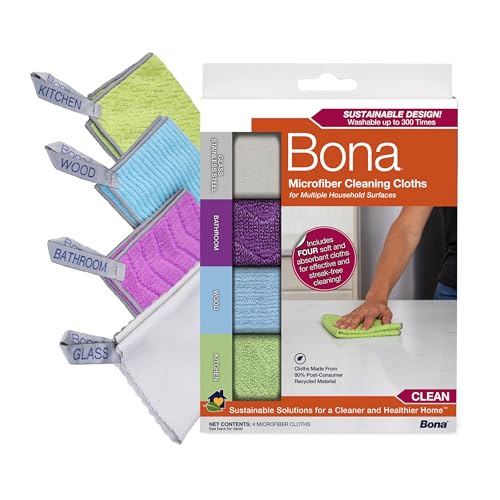
- Microfiber vent cleaning cloths for floor registers


Before You Start
Before beginning, turn off the HVAC system to prevent debris from circulating. If vents are in high-traffic areas or above delicate flooring, use a drop cloth to catch dust. For safety, wear a dust mask and eye protection, especially in dusty or mold-prone spaces. Expect a 15–45 minute window for a standard single-story home vent cleaning, depending on the number of vents and accessibility. Avoid forcing brushes into tight gaps to prevent damagine to louvers or ductwork.
Step-By-Step: How To Clean Floor Vents
- Identify all floor vents in the area and carefully remove the vent covers, noting if they’re screwed on or snapped in.
- Using the floor register cleaning brush with long handle, loosen dust from the grill slats by sweeping along each louver.
- Attach the vacuum attachment floor vent dust brush to a handheld vacuum and carefully extract loosened debris from inside the duct opening.
- For stubborn buildup, use the duct vent cleaning brush set for vents to dislodge debris without bending fragile louvers.
- Wipe the vent covers with microfiber vent cleaning cloths to remove embedded dust and restore the finish.
- Replace vent covers and ensure they sit evenly and securely against the ceiling or floor surface.
- Turn the HVAC system back on and run on a low fan setting to verify there is no unusual noise and that airflow is restored.
- Repeat the process for each vent, keeping a simple checklist to track completed spaces.
- Consider scheduling regular cleanings every 6–12 months or more often in homes with pets or allergies.
Troubleshooting
| Symptom | Likely Cause | Fix | Prevention |
|---|---|---|---|
| Weak airflow after cleaning | Damaged vent cover or improper reseating | Realign and secure covers; reseat firmly | Inspect covers during reinstallation |
| Excessive dust immediately after cleaning | Dust elsewhere in ducts or missing cleaning | Clean additional vents or run the system briefly to pull dust through | Regular maintenance schedule |
| Noise during airflow | Loose vent or debris lodged in duct | Check for loose screws and remove obstructions | Secure components and avoid over-cleaning tight spaces |
| Discoloration or musty smell | Mold or moisture buildup | Discontinue use until inspected for moisture leaks; clean with appropriate cleaners | Address humidity and regularly inspect for mold |
Common Mistakes
- Using stiff brushes that scratch vent surfaces or louvers
- Ignoring inside the duct when debris is visibly trapped
- Over-wetting microfiber cloths or using harsh cleaners on plastic louvers
- Re-assembling vents without confirming secure fit, causing air leaks
Keeping tools gentle and methodical helps prevent damage and ensures a cleaner, more efficient system.
Tips For Best Results
- Work from the outside of each vent inward to push dust toward the main duct for easier collection.
- Combine brushing with a vacuum for maximum debris removal rather than relying on one method alone.
- Use microfiber cloths because they trap dust rather than simply pushing it around.
- Label vents if rooms have different humidity or air quality needs to track outcomes.
Call A Professional
Consider contacting a pro if any vent shows signs of mold, persistent musty odors after cleaning, or there is visible significant damage to the ductwork. Seek immediate help if you notice unexpected leaks, large openings, or louder-than-normal noises after attempting basic maintenance. Complex duct systems, homemade modifications, or prior water damage are reliable indicators to involve a licensed HVAC technician.
FAQ
How often should floor vents be cleaned?
Most homes benefit from cleaning every 6–12 months, with higher frequency for households with pets, smokers, or allergy sensitivity.
Can I clean vents without removing the vent covers?
Yes, but removing covers often yields a deeper clean and better access to the slats and interior.
What tools work best for tight louvers?
A long-handle brush and a flexible duct vent cleaning brush set help reach narrow gaps without bending the vent.
Will cleaning floors vents improve air quality?
Yes, reducing dust and debris from registers typically lowers the amount of particulates circulating in the home.
Is there a risk of damaging the ductwork?
Using appropriate, soft tools and avoiding excessive force minimizes this risk; if in doubt, consult a professional.
Should I dampen cloths used on vents?
Lightly dampen microfiber cloths to lift dust without saturating the vent materials.
What about washable vent covers?
Wash covers as needed, ensuring they are completely dry before reinstalling to prevent moisture-related issues.
Buying Guide
When selecting products to clean floor vents, consider factors like tool reach, compatibility with vent types, and ease of use. A modular kit with different brush sizes helps handle varied louvers and duct shapes. Look for soft bristles to avoid scratching surfaces and a lightweight, ergonomic handle for comfortable use. In addition to brushes, microfiber cloths are essential for capturing dust without creating secondary debris. For ongoing maintenance, a versatile vacuum attachment improves debris removal without requiring multiple tools.
Key buying factors include:
- Size and reach: Long handles help access hard-to-reach vents without bending or crawling.
- Vent type compatibility: Kits with louvered vent brushes suit most floor registers.
- Noise and ease of use: Quiet brushes and comfortable grips reduce fatigue.
- Durability: Sturdy materials prevent bristle shedding or handle breakage.
- Cleaning cloths: Reusable microfiber cloths ensure thorough dust capture.
- Storage: Compact sets store neatly in a cleaning cabinet for quick access.
- Maintenance frequency: Choose items that simplify regular use to encourage consistency.
For best results, pair brushes with microfiber cloths and a compatible vacuum attachment to maximize debris removal and maintain clean, efficient airflow throughout the home.