Corian sinks are popular for their smooth surfaces and easy maintenance. When mineral deposits, coffee stains, or hard water marks accumulate, cleaning can become tricky. This guide provides practical, step-by-step instructions using non-abrasive methods to restore a clean, glossy sink without damaging the surface.
Whether you’re tackling a stubborn ring around the drain or cloudy patches, the following steps focus on gentle cleaning with common household tools and a few specialized products designed for acrylic and Corian materials.
Quick Answer
Quick method: Apply a non-abrasive paste designed for Corian, let it sit briefly, then scrub with a soft brush or microfiber. Rinse well and wipe dry for a spotless finish.
What You’ll Need
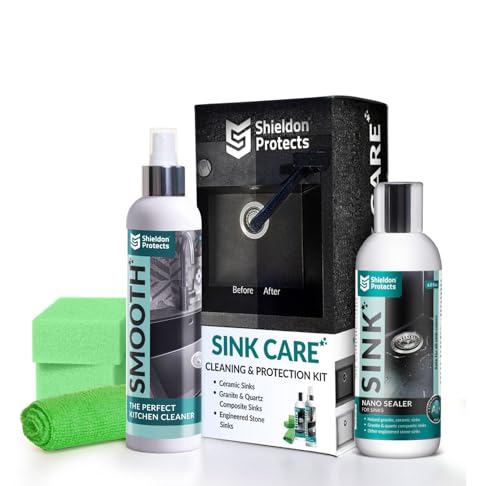
- Corian sink cleaner kit non-abrasive paste
- melamine sponge cleaner for acrylic sinks hard water stains
- non-abrasive nylon scrub pad for acrylic surfaces
- soft bristle bottle brush for kitchen sinks acrylic
- microfiber cleaning cloth for acrylic sink stains


Before You Start
Protect surrounding countertops with a damp cloth to catch drips. Test any cleaner in an inconspicuous area first to ensure no discoloration occurs. Allow for adequate ventilation if using liquids. Time estimates: 20–40 minutes for initial clean, plus 1–2 hours for deep stains if needed. Avoid abrasive pads, harsh chemicals, or steel wool which can scratch Corian surfaces and void warranties.
Step-By-Step: How To Clean Badly Stained Corian Sink
- Remove all dishes and debris from the sink. Rinse with warm water to loosen grime.
- Apply a small amount of non-abrasive paste designed for Corian onto the stained areas.
- Gently rub in circular motions with a soft nylon scrub pad to lift mineral deposits without scratching.
- For tougher stains, dampen a melamine sponge and use light, even pressure over the affected spots.
- Rinse thoroughly with warm water to remove the paste and loosened residue.
- Apply a microfiber cleaning cloth to buff the surface dry and enhance the shine.
- Inspect for remaining stains. If needed, repeat the process on the most stubborn areas.
- Finish with a mild rinse and wipe to prevent water spots; consider a daily wipe-down to maintain cleanliness.
- For mineral buildup near the drain, use a soft brush and a little cleaner to reach into the curves.
- Dry the entire surface with a clean microfiber cloth to prevent streaks.
- Optionally apply a protective restorer or sealant compatible with acrylic surfaces per manufacturer directions.
- Store tools within reach for quick future maintenance and avoid leaving damp pads on the sink surface.
Troubleshooting
| Symptom | Likely Cause | Fix | Prevention |
|---|---|---|---|
| Stains persist after cleaning | Deep mineral buildup or staining | Repeat with a melamine sponge and reapply paste in small areas | Wipe after each use; use a splash guard for hard water areas |
| Surface feels rough after cleaning | Abrasive contact or residue | Rinse thoroughly; buff with microfiber | Avoid abrasive pads in future |
| Water spots reappear quickly | Hard water minerals | Dry sink after use; consider a water-softening solution | Regular maintenance with a non-abrasive cleaner |
| Discoloration around the drain | Stubborn mineral deposits | Targeted cleaning with a soft brush and paste | Prevent with routine quick cleans |
Common Mistakes
- Using abrasive pads or steel wool on Corian can scratch the surface.
- Applying harsh cleaners or bleach directly to the sink may discolor or degrade the finish.
- Skipping thorough rinsing can leave residues that dull the shine.
- Letting stains sit too long before cleaning can lead to deeper discoloration.
Tips For Best Results
- Combine cleaning with a routine wipe-down to prevent buildup.
- Always test a cleaner on a hidden area first.
- Use a dedicated microfiber cloth to avoid lint or streaks.
- Keep a soft brush for hard-to-reach areas under the rim.
- Address hard water deposits promptly to minimize staining.
Call A Professional
If stains persist after multiple gentle cleanings or if you notice cracking, discoloration beyond surface stains, or suspected damage to the acrylic composite, contact a kitchen-sink specialist. Seek immediate help if water leakage is observed around the seam or drain, as that may indicate structural issues requiring professional repair.
FAQ
Can I use bleach on a Corian sink?
Bleach is generally not recommended for Corian, as it can affect color and gloss over time. Use non-abrasive cleaners specifically formulated for acrylic surfaces.
Will a melamine sponge damage Corian?
When used gently on damp surfaces, a melamine sponge can help remove hard water stains. Avoid applying excessive pressure.
How often should I clean my Corian sink?
Wipe down after heavy use and perform a deeper clean monthly to prevent mineral buildup and staining.
What should I avoid putting in a Corian sink?
Avoid highly abrasive cleaners, scouring powders, and metal brushes that can scratch the surface.
Is it safe to use vinegar or lemon on Corian?
Very mild, diluted acidic substances are generally safe in small amounts, but prolonged exposure should be avoided to preserve the finish.
What is the best way to dry the sink after cleaning?
Use a clean microfiber cloth to blot and buff the surface dry, preventing water spots and streaks.
Buying Guide
When selecting cleaning methods and tools for Corian sinks, consider size, noise level, energy efficiency, controls, and placement. Choose products that are explicitly labeled for acrylic or Corian compatibility to avoid damage. For larger sinks, a soft-bristle bottle brush can reach corners without scratching. If noise is a concern, look for tools with gentler bristles and non-scratch surfaces to reduce sound during scrubbing. Consider compact, easy-to-store kits that include a non-abrasive paste, a melamine sponge, a nylon scrub pad, a soft brush, and a microfiber cloth. Evaluate whether you need a dedicated cleaner kit or if you prefer multipurpose cleaners that are safe for acrylic surfaces. Finally, ensure the kit’s instructions match your sink’s installation and finish to maximize longevity and beauty. Would you like recommendations tailored to your hard water level or sink size?