Red quarry tiles add a warm, rustic look to kitchens, entryways, and outdoor patios. Proper cleaning preserves their color, texture, and longevity. This guide walks American homeowners through practical steps, safe products, and equipment that work well on red quarry tile surfaces.
Quick Answer
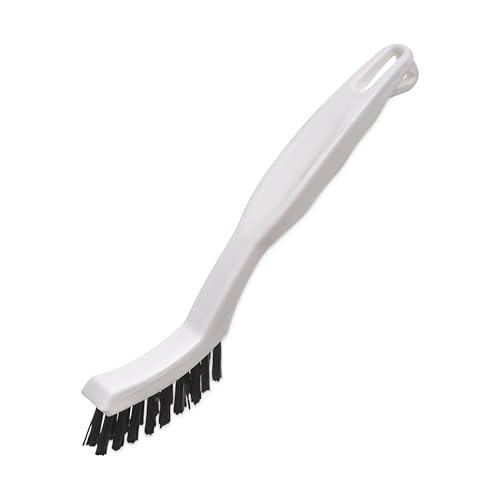
For most day-to-day cleaning, use a pH-neutral tile cleaner concentrate with a microfiber mop with tile cleaning pad. Target grout with a stiff nylon grout brush or a ergonomic grout brush with angled head, then rinse with clean water. For tough stains, a pumice stone tile cleaner can gently lift marks without scratching the tile finish. Always follow product label directions.
What You’ll Need
- Stiff nylon grout brush for quarry tile cleaning
- Ergonomic grout brush with angled head for quarry tiles
- Pumice stone tile cleaner for red quarry tiles
- PH-neutral tile cleaner concentrate for quarry tiles
- Microfiber mop with tile cleaning pad for quarry tiles


Before You Start
Clear the area of furniture and textiles to prevent moisture staining. Ventilate the space if indoors. Test cleaners on a small, inconspicuous spot to ensure colorfastness. For outdoor or high-traffic floors, plan for extra time since red quarry tiles can require multiple passes. Wear gloves and eye protection when using brushes or stain removers.
Step-By-Step: How To Clean Red Quarry Tiles
- Sweep or vacuum the surface to remove loose dirt and dust.
- Prepare a diluted solution using a pH-neutral tile cleaner concentrate according to label directions.
- Dip the microfiber mop into the solution and begin mopping in small, overlapping sections.
- Allow a brief contact time (per cleaner instructions) to loosen grime but avoid soaking the tile excessively.
- Use the stiff nylon grout brush to scrub any stained grout lines in circular motions.
- For stubborn marks on the tile face, gently use the pumice stone tile cleaner in a damp state, moving in one direction to avoid scratches.
- Rinse the area with clean water, using a fresh mop or a damp cloth to remove cleaner residue.
- Dry the surface with a clean, dry microfiber cloth or towels to prevent water spots and streaks.
- Inspect for remaining grime. Repeat targeted cleaning on any persistent areas, focusing on grout lines first.
- For routine maintenance, mop weekly with the pH-neutral cleaner and spot-clean grout as needed.
- Optional: Apply a tile sealer if the tiles are porous and you want added stain resistance according to manufacturer guidance.
Troubleshooting
| Symptom | Likely Cause | Fix | Prevention |
|---|---|---|---|
| Dirty grout that won’t lift with brushing | Heavy staining or embedded grime | Switch to a stronger brush and use a fresh cleaner solution; reapply and scrub thoroughly | Regular cleaning to prevent buildup |
| Streaks after mopping | Residue from cleaner or hard water | Rinse with clean water and dry completely | Use distilled water if water hardness is high |
| Tiles feel rough or scratched | Overuse of pumice stone on glaze | Limit pumice stone use to non-glazed areas or consult product guidelines | Test on small area first |
| Color fading or uneven tone | Bleach or harsh cleaners applied | Cease use of strong cleaners; switch to pH-neutral formula | Always follow product directions |
Common Mistakes
- Using acidic cleaners on quarry tiles, which can dull or etch grout and stone.
- Over-wetting grout joints, leading to mold growth or efflorescence.
- Neglecting to rinse thoroughly, leaving soap residues that attract more dirt.
- Scrubbing too aggressively with soft quarry tile glaze, risking surface scratches.
Tips For Best Results
- Work from the farthest corner toward the exit to avoid stepping on cleaned areas.
- Dust mop or sweep daily in high-traffic zones to minimize grime buildup.
- Use a dedicated grout brush for each cleaning cycle to prevent cross-contamination between tiles and grout.
- Check grout color periodically; re-seal grout lines if you notice increased porosity after cleaning.
- Maintain a regular cleaning routine with the pH-neutral tile cleaner concentrate to keep color vibrant.
Call A Professional
Consider a pro if you encounter persistent staining that will not respond to standard cleaners, extensive resealing is required, or if the tile shows cracking or structural damage. Stop cleaning and consult a licensed tile specialist if you notice moisture intrusion, loose tiles, or mold growth that covers large areas.
FAQ
What is the best cleaner for red quarry tiles?
The best option is a pH-neutral tile cleaner concentrate paired with a microfiber mop for routine maintenance.
Can I use a pumice stone on red quarry tile?
Yes, but only on non-glazed areas or as a targeted solution for stubborn marks, and always with a damp surface and gentle pressure.
How often should grout be cleaned on quarry tiles?
Regular brushing and cleaning during routine mopping helps prevent grout grime buildup; deep cleaning can be done monthly or as needed.
Should I seal quarry tile grout after cleaning?
Sealing grout can help reduce staining; follow guidance from the sealant manufacturer and ensure the grout is fully dry before applying.
What should I do if the tiles become etched or scratched?
Discontinue aggressive cleaning, test gentler methods, and consult a professional if surface damage is evident.
Buying Guide
When selecting products for cleaning red quarry tiles, consider size and scope of the area, typical soil level, and whether you prefer ready-to-use solutions or concentrates. Noise level matters for residential spaces with nearby bedrooms, so choose products labeled for quiet operation if using powered tools. Focus on energy-efficient approaches, such as manual mops versus electric scrubbers, to reduce energy use. Look for gentler formulas that are still effective on grout, and choose tools that fit the tile profile and grout width.
Key buying factors include size and coverage area, which determine how many bottles or concentrates you need; noise level and ergonomics for comfortable handling; and control options (stain-removal specificity vs. all-surface cleaners). Placement matters too; use mop pads and brushes designed for tile and grout textures. Consider a kit that bundles a stiff nylon grout brush and an ergonomic grout brush with angled head for easier access to tight lines, along with a pH-neutral tile cleaner concentrate and a microfiber mop for regular maintenance. This combination supports consistent results across kitchens, entryways, and outdoor paths.