Aphids are common pests for squash plants, often found on leaves and new growth. They can weaken plants, distort growth, and attract other pests. This guide provides practical, chemical-safe methods suitable for American gardens, combining preventive care with targeted treatments to protect squash throughout the growing season.
Quick Answer
Best initial actions: inspect plants regularly, spray with insecticidal soap or neem oil, and consider yellow sticky traps to monitor and reduce aphid populations. Combine with proper watering and strong plant health to improve resistance.
What You’ll Need
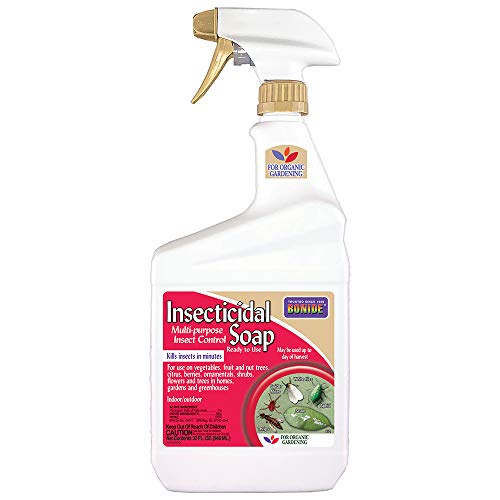
- Insecticidal soap spray for aphids on squash plants 32 oz or insecticidal soap ready-to-use spray for aphids on squash
- Neem oil concentrate for aphids squash plants
- Garden sprayer pump bottle 1 gallon for pesticides
- Yellow sticky traps aphids squash plant garden
- Optional: additional sprayer attachment and gloves for safety


Before You Start
Before applying treatments, inspect affected plants to identify aphid hotspots. Begin in the early morning or late afternoon to minimize plant stress. Use protective gear like gloves and eye protection when handling sprays. Test any product on a small leaf area 24 hours before broad application to confirm there is no phytotoxic reaction. Water plants well before spraying to help the treatment spread and avoid leaf burn.
Step-By-Step: How To Get Rid Of Aphids On Squash Plants
- Identify aphid colonies on the undersides of leaves and new growth, noting any honeydew or ant activity nearby.
- Rinse plants with a gentle blast of water from a hose to dislodge a portion of the aphids without harming the plant tissue.
- Prepare an insecticidal soap spray in a 1 gallon garden sprayer, following label directions for dilution and coverage.
- Apply the soap solution thoroughly to the undersides of leaves and stems, repeating every 7–10 days or after rainfall.
- If aphids persist, mix a light regimen of neem oil concentrate as directed on the product label and spray evenly, focusing on infested zones.
- Set up yellow sticky traps around the garden beds to monitor aphid activity and capture migrating adults.
- Rotate treatments to avoid pest resistance and stress on the plants; alternate between soap and neem oil as needed.
- Maintain good garden hygiene by removing severely damaged foliage and pruning as necessary to improve airflow.
- Check for signs of beneficial insects like lady beetles and lacewings; avoid broad-spectrum sprays that harm them.
- Reapply treatments after heavy rain or irrigation to maintain protection and control.
- Continue monitoring weekly, adjusting strategies as aphid pressure changes throughout the season.
- Document which methods work best for your specific squash varieties to refine future pest management.
Troubleshooting
| Symptom | Likely Cause | Fix | Prevention |
|---|---|---|---|
| Leaves curling or stunting | Aphids feeding on new growth | Apply insecticidal soap or neem oil as directed | Regular monitoring and early intervention |
| Honeydew and sooty mold | High aphid population secreting honeydew | Increase spray frequency; prune severely infested shoots | Promote plant vigor with balanced watering |
| Sprays seem ineffective | Soap or oil concentration too low; aphids resistant | Adjust concentration per label; rotate products | Integrate with physical removal and traps |
| Beneficial insects decline | Broad-spectrum sprays harming beneficials | Switch to targeted soaps/oils and minimize applications | Encourage beneficials with habitat and spacing |
Common Mistakes
- Applying treatments during the heat of the day, which can burn leaves
- Overusing oil-based products that reduce photosynthesis if not properly diluted
- Neglecting the undersides of leaves where aphids primarily reside
- Relying on a single method; resistance can develop over time
Tips For Best Results
- Always wash plants briefly before applying insecticidal soap to remove dust and debris for better adhesion.
- Apply early in the morning or late afternoon to minimize plant stress and maximize efficacy.
- Combine physical removal with chemical controls for faster results.
- Use yellow sticky traps as a year-round monitoring tool to spot new aphid activity quickly.
- Maintain healthy soil and adequate watering to strengthen plant defenses against pests.
Call A Professional
Seek professional help if aphid infestation persists despite multiple treatment cycles, covers a large area, or if squash plants show severe decline such as wilting, extensive leaf damage, or stunted fruit development. Rapid intervention by a local extension service or licensed gardener may be warranted for persistent problems or if unusual plant symptoms appear.
FAQ
What is the most effective method to control aphids on squash?
Often a combination of insecticidal soap spray and neem oil concentrate, applied to the undersides of leaves, provides quick knockdown and long-term suppression.
How often should I spray?
Typically every 7–10 days, or after heavy rain, while monitoring for reemergence.
Can I use yellow sticky traps alone?
Yellow sticky traps help monitor and reduce adults but should be used with leaf sprays for full control.
Are aphids harmful to humans if the squash is eaten?
Aphids do not pose a direct threat to humans; ensure produce is washed and grown without contaminated sprays following label instructions.
When should I contact a professional?
If aphid pressure is high for an extended period, or if plants show severe damage despite treatments, seek local gardening support.
Buying Guide
Choosing products to manage aphids on squash plants involves understanding application needs and garden conditions. Consider the following factors to compare options effectively.
Key Buying Factors
- Size and packaging: 32 oz concentrates or ready-to-use sprays fit different garden sizes and routines.
- Active ingredients: Insecticidal soap works by contacting pests; neem oil provides kernel-based pest suppression and antifeedant properties.
- Spray compatibility: A garden sprayer pump bottle 1 gallon enables even coverage for larger beds.
- Coverage methods: Complement sprays with yellow sticky traps for monitoring and early detection.
- Reactivity to environment: Consider formulations that work well in heat and humidity typical in many American regions.
- Safety and residue: Look for products labeled safe for edible crops; follow pre-harvest intervals and washing recommendations.
- Ease of use: Ready-to-use sprays save time; concentrates require mixing but can be more cost-effective per use.
- Beneficials compatibility: Choose products that minimize harm to pollinators and natural predators when used as directed.
With the right combination of products and practices, squash plants can stay healthy and productive through aphid season. If choosing among options, the pairing of an insecticidal soap spray for aphids on squash plants 32 oz with a neem oil concentrate for aphids squash plants often provides reliable, broad-spectrum suppression while supporting beneficial insects. Regular monitoring and thoughtful placement of yellow sticky traps aphids squash plant garden will help you stay ahead of outbreaks and protect your harvest.