Grease buildup on ceilings can come from cooking splatter, smoke, or accidental splashes. A careful, methodical approach helps restore a clean, bright ceiling without damaging paint or finishes. This guide provides practical steps using common kitchen cleaners and tools suitable for American homes.
Quick Answer
For most ceilings, start with a mild degreaser spray, then switch to a gentle cloth or sponge. For stubborn grime, use a ceiling degreaser with an extendable pole to reach high areas without climbing. Always test a small area first and work from the center outward.
What You’ll Need
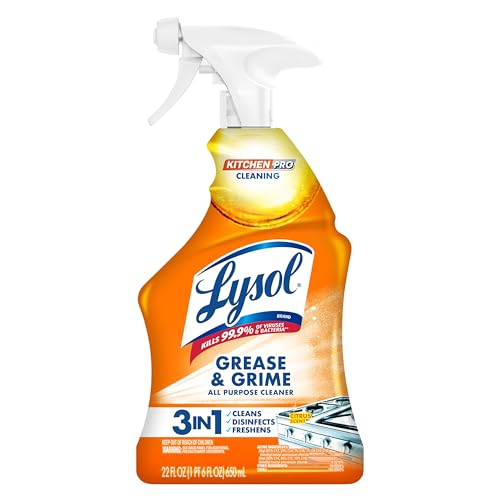
- ceiling grease remover spray degreaser
- kitchen ceiling grease cleaner spray
- grease stain remover ceiling cleaner microfiber cloth
- ceiling degreaser with extendable pole
- vinyl ceiling cleaner degreaser spray
- soft microfiber cloths or sponges
- plastic drop cloths or old sheets
- bucket and mild dish soap (optional)


Before You Start
Clear the area beneath the ceiling and protect floors with drop cloths. Ensure good ventilation by opening windows or turning on exhaust fans. Wear gloves and, if sensitive to fumes, a mask. Time estimate: 20–40 minutes for typical kitchens, longer for extensive ceilings.
Caution: Do not use abrasive scrubs on painted ceilings, and avoid soaking area near fixtures that could be damaged by moisture.
Step-By-Step: How To Clean Grease Off Ceiling
- Prepare the workspace by laying down protective covers and removing items from the area.
- Test a small, inconspicuous patch of the ceiling with the chosen cleaner to ensure it does not damage paint or texture.
- Apply a light layer of ceiling grease remover spray degreaser to the stained area from a few inches away to prevent dripping.
- Gently wipe with a soft microfiber cloth, using circular motions to lift grease without scrubbing aggressively.
- If stains persist, reapply the cleaner and let it sit for a minute, then wipe again with a clean cloth.
- For high ceilings or hard-to-reach spots, use a ceiling degreaser with extendable pole to apply cleaner and wipe from below without climbing.
- Rinse or wipe away any residue with a damp cloth and a small amount of mild dish soap if needed, then dry with a clean microfiber cloth.
- Inspect the ceiling in good light and repeat lightly on any remaining greasy areas, avoiding over-wetting paint.
Troubleshooting
| Symptom | Likely Cause | Fix | Prevention |
|---|---|---|---|
| Stain reappears after cleaning | Grease baked into surface | Apply cleaner, let sit, then rewipe; may require repeat passes | Clean promptly after cooking and use ventilation |
| Discoloration or paint peeling | Over-wetting or harsh cleaners | Switch to milder cleaner and use less moisture | Test first; avoid saturating ceiling |
| Streaks or smudges | Residue left from cleaner | Wipe with a dry microfiber cloth after damp cleaning | Rinse with a lightly damp cloth to remove residue |
| Grease smears after drying | Grease spread during cleaning | Reapply cleaner to the stained spot | Work slowly, using minimal moisture |
Common Mistakes
- Using harsh abrasives or scouring pads on painted ceilings
- Over-wetting ceilings, especially near crown molding or fixtures
- Ignoring test patches before full application
- Rushing the process and leaving behind cleaning residue
Tips For Best Results
- Deal with grease stains while they are fresh for easier removal.
- Choose a product label that mentions ceiling or paint-safe formulas.
- Work in small sections to maintain control and reduce mess.
- Consider using an extendable pole when cleaning high ceilings or vaulted areas.
Call A Professional
Contact a pro if the ceiling shows signs of paint damage, water intrusion, or extensive staining that does not respond to standard cleaners. If the area feels moist, soft, or spongy, stop cleaning and consult a specialist to assess structural issues or lead-based paint concerns in older homes.
FAQ
What’s the safest cleaner for painted ceilings?
Look for a ceiling-specific degreaser spray or a mild kitchen cleaner designed for painted surfaces. Always test a hidden area first.
Can I use warm water to clean grease off the ceiling?
Yes, warm water helps dissolve grease, especially when combined with a mild degreaser. Do not oversaturate the ceiling.
How long should cleaner sit on the grease?
Let the product sit for about 30–60 seconds before wiping to allow grease to loosen.
Is it safe to use microfiber cloths for ceiling cleaning?
Yes, microfiber cloths are effective at lifting grease without scratching paint.
Do I need to rinse after using a degreaser on the ceiling?
Rinse or wipe away residue with a damp cloth to prevent streaks and residue buildup.
What if the grease is on vinyl ceiling panels?
Use a vinyl-friendly cleaner degreaser spray and avoid abrasive tools that could scratch the surface.
Buying Guide
When selecting products for cleaning grease off ceilings, consider size, odor, and application ease. For frequent cleaning, a spray degreaser with a comfortable trigger helps speed up the process. Noise level matters for near bedrooms or living spaces if using a spray bottle attached to a pole. Look for energy-efficient, water-based formulas that are low-odor and quick-drying. Evaluate whether you need an extendable pole for high or vaulted ceilings and whether a vinyl-friendly cleaner is necessary for specific ceiling materials. Compare products by scent, residue, and surface compatibility to ensure safe use on painted vs. vinyl ceilings. Finally, assess how easily each cleaner removes stubborn grease and whether it requires follow-up rinsing or dry-wipe steps. Would you benefit from a multi-surface cleaner, or is a ceiling-specific degreaser the best fit for your home?