Cleaning a black sink often requires gentler tools and a careful approach to prevent dulling or streaks. With the right products and a steady routine, a dark, lustrous finish can stay pristine and show fewer water spots. This guide covers practical steps, tools, and troubleshooting to keep a black sink looking brand new.
Quick Answer
Use a dedicated cleaning spray designed for black or satin finishes, paired with non-scratch pads and a microfiber cloth. Avoid abrasive scrubbers or acidic cleaners that can dull the finish. For tough spots, a handheld electric scrub brush on low speed can help, followed by a rinse and dry.
What You’ll Need
- Stainless steel sink cleaning kit with brush and non-scratch pad — gentle brushes protect the finish while removing grime
- Black stainless steel sink cleaning spray — formulated for dark finishes to reduce streaks
- Non-scratch scrub pads for black stainless steel sink — safe for delicate surfaces
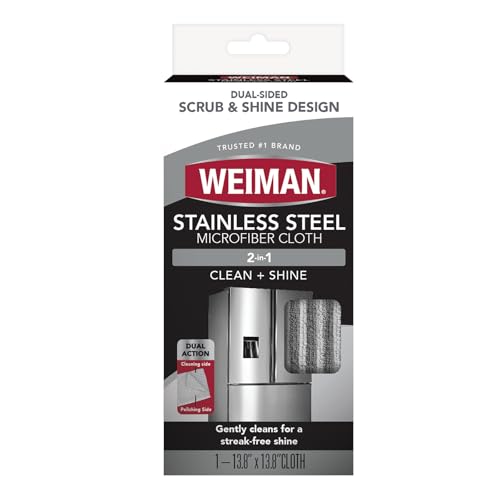
- Microfiber cloth for stainless steel sink cleaning — lint-free and effective for buffing
- Handheld electric scrub brush for bathroom sink cleaning — helps with stubborn residue when used carefully


Before You Start
Prepare a clean, ventilated workspace and clear the sink area. Test cleaners on a small, inconspicuous spot to ensure no discoloration. Avoid chlorine-based cleaners and highly acidic solutions, as they can damage the finish over time. Plan a 15–30 minute session for routine cleaning, or longer for buildup removal.
Step-By-Step: How To Clean A Black Sink
- <b.Empty the basin and rinse with warm water to remove loose debris.
- Pretreat grime with a few spritzes of black stainless steel sink cleaning spray on the surface and let sit for 1–2 minutes.
- Wipe gently with a microfiber cloth to lift the loosened residue, using long, even strokes along the grain of the sink.
- Scrub as needed with non-scratch scrub pads or the stainless steel sink cleaning kit brush to tackle spots around drains and corners.
- Rinse thoroughly with warm water to remove cleaning residue.
- Dry and buff with a clean microfiber cloth, applying light pressure to enhance shine and reduce water spots.
- Address tough stains using the handheld electric scrub brush on low speed for a brief, careful pass, then rewipe.
- Final wipe with a dry microfiber cloth to reveal a smooth, uniform finish.
- Maintenance schedule aim for weekly quick cleans and monthly deeper clean for best results.
- Storage note rinse and let air-dry after each use to prevent mineral buildup.
- Optional sealant apply a protective, spray-on sealant designed for black finishes a few times per year for extra shine and protection.
Troubleshooting
| Symptom | Likely Cause | Fix | Prevention |
|---|---|---|---|
| Streaks remain after drying | Water spots or residue | Wipe with a dry microfiber cloth; re-rinse and dry thoroughly | Dry completely after each cleaning |
| Scratches or dull spots | Abraded finish from harsh pads | Switch to non-scratch pads and avoid metal brushes | Use only soft tools and follow care instructions |
| Discoloration around edges | Cleansers left on surface | Rinse well, re-wipe with microfiber | Rinse immediately after cleaning |
| Fading shine after a few weeks | Inadequate protection or buildup | Apply an approved protective spray and buff | Regular maintenance with proper products |
Common Mistakes
- Using abrasive scrubbers or steel wool on black finishes
- Choosing cleaners with ammonia or bleach in high concentrations
- Neglecting to dry the sink after cleaning
- Overloading heat or harsh scrubbing near the drain area
Instead, opt for soft tools, pH-balanced sprays, and a routine that emphasizes drying and buffing for lasting shine.
Tips For Best Results
- Always test a cleaner on a small area first, especially with black finishes
- Keep a dedicated microfiber cloth for cleaning to avoid transferring residues
- Use warm water rather than hot to prevent warping or finish damage
- In high-mineral areas, wipe down after each use to reduce mineral deposits
- Store cleaning tools in a dry, accessible spot to encourage regular upkeep
Call A Professional
Consider a pro if there are deep gouges, severe discoloration, or persistent staining that does not respond to standard cleaners. If the finish appears blistered, uneven, or begins peeling, contact a professional to assess refinishing or replacement options.
FAQ
What is the best cleaner for black stainless steel sinks?
A pH-balanced cleaner formulated for black or satin finishes is recommended to minimize streaks and maintain brightness.
Can I use vinegar on a black sink?
Vinegar is acidic; use sparingly and only if the product label approves it for black finishes.
How often should I deep clean a black sink?
Plan a deeper clean monthly, with lighter cleans weekly to prevent buildup.
Is a microfiber cloth safe for black finishes?
Yes, microfiber is ideal for removing residue without scratching or leaving lint behind.
Buying Guide
When selecting products for a black sink, consider size, finish compatibility, and ease of use. Factors include:
- <bSize and compatibility — ensure cleaners and pads suit your sink dimensions and finish type (black stainless or satin).
- <bNoise level — handheld electric brushes vary in noise; choose a model with low to moderate sound if the space is shared.
- <bEnergy efficiency — powered tools with efficient motors reduce energy use; manual pads work well for routine cleaning.
- <bControls — simple, intuitive controls for speed and power help prevent mishandling near the finish.
- <bPlacement — store products in a dry, accessible spot near the sink to encourage regular use.
For most households, a balanced kit including a stainless steel sink cleaning kit with brush and non-scratch pad, a black stainless steel sink cleaning spray, non-scratch scrub pads, a microfiber cloth, and a handheld electric scrub brush for bathroom sink cleaning offers comprehensive coverage. Are you ready to keep your black sink looking flawless with a simple, repeatable routine?