Sheepskin seat covers add luxury and comfort to vehicles, but their natural fibers require careful cleaning to maintain softness and appearance. This guide provides a clear, step-by-step approach using common car-care products and purpose-built tools. The methods are suitable for most household cleaning routines while protecting the wool and leather backing of the covers.
Quick Answer
Gently vacuum to remove loose dirt, spot-treat stains with a wool-safe cleaner, use a sheepskin upholstery cleaning kit for thorough cleaning, and finish with a protective spray. Dry the covers completely before reinstalling to avoid odors or mold.
What You’ll Need
- Vacuum attachment for upholstery car seats
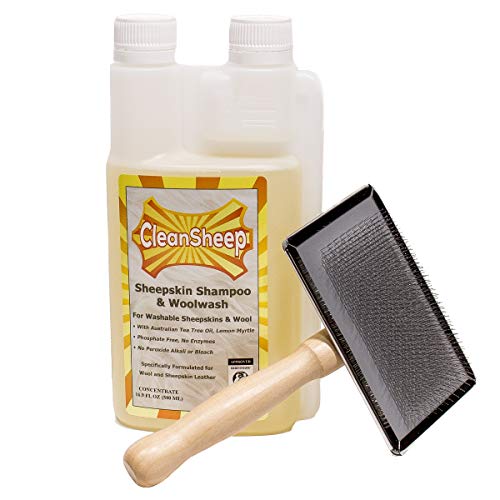
- Sheepskin seat cover cleaning brush
- Sheepskin upholstery cleaning kit
- Stain remover for wool fabric
- Sheepskin protector spray


Before You Start
Inspect the covers for tears or worn patches before cleaning. Test any cleaner on a hidden area to ensure no color bleed or fiber damage occurs. Work in a well-ventilated space and protect nearby surfaces from moisture. Time estimate: 60–120 minutes, depending on soil level. Never machine wash or machine dry sheepskin seat covers unless the manufacturer confirms it’s safe.
Step-By-Step: How To Clean Sheepskin Seat Covers
- Remove the seat covers from the seats if possible, or loosen them to access all fibers.
- Use the vacuum attachment for upholstery car seats to remove loose dirt, dust, and pet hair from both sides of the fabric backing.
- Apply a light amount of stain remover for wool fabric to any visible spills. Gently blot with a clean cloth rather than rubbing to avoid matting the wool.
- For deeper cleaning, prepare the sheepskin upholstery cleaning kit according to the instructions. Mix solution if required and begin in a small, inconspicuous area to confirm colorfastness.
- Work in sections, using the sheepskin seat cover cleaning brush to lift dirt away from the wool fibers in a light, sweeping motion. Avoid aggressive scrubbing that can damage the nap.
- Rinse the area with a damp, clean cloth if the kit includes a rinse step or dampen the fibers lightly to remove any residue. Do not soak the wool completely.
- Allow the covers to air-dry away from direct heat or sunlight, preferably in a well-ventilated room. Fluff the fibers with the cleaning brush once dry to restore the nap.
- Reinstall the covers once fully dry. Check for any lingering odors and, if needed, repeat treatment on stubborn spots using the stain remover and kit as specified.
- Finish with sheepskin protector spray to help repel future spills and protect against staining. Allow the spray to dry fully before sitting on the seats again.
- Perform routine maintenance: vacuum weekly and spot-clean promptly to extend the life of the sheepskin covers.
Troubleshooting
| Symptom | Likely Cause | Fix | Prevention |
|---|---|---|---|
| Stiff or matted wool after cleaning | Over-wetting or improper drying | Lightly brush fibers and ensure complete dry time | Use minimal moisture and air-dry thoroughly |
| Color bleed after cleaning | Non-colorfast dye or accidental cleaner reaction | Rinse area and test fabric in hidden spot; stop use of dye-based products | Test cleaners first |
| Persistent odors | Moisture trapped in backing | Increase ventilation and extend dry time; consider a fabric-safe deodorizer | Dry thoroughly; use protective spray after drying |
| Nap loss or thinning fibers | Harsh brushing or over-wetting | Switch to gentle brushing and allow more air-drying | Follow manufacturer guidance for cleaning frequency |
Common Mistakes
- Using harsh household cleaners not designed for wool or sheepskin.
- Soaking the backing or leather beneath the wool, which can cause damage.
- Rubbing vigorously, which can felt or pill the wool fibers.
- Skipping a thorough dry time, leading to mildew or odor.
Tips For Best Results
- Regular light vacuuming helps prevent deep soil buildup that requires heavy cleaning.
- Spot-clean spills as soon as possible to minimize staining.
- Use a color-safe stain remover formulated for wool and wool blends.
- Follow the kit directions precisely to maintain fiber integrity and warranty compliance.
Call A Professional
Seek professional help if the covers are heavily soiled, have strong odors that persist after cleaning, or show signs of structural damage such as torn seams or backing deterioration. Stop cleaning and consult a specialist if dye bleeding is observed or if the cover materials are labeled as not machine-washable but heavily soiled.
FAQ
Is it safe to machine wash sheepskin seat covers?
Most sheepskin seat covers are not designed for machine washing. Always check the manufacturer’s instructions and use gentle, wool-safe cleaning methods.
How often should I clean sheepskin seat covers?
Light weekly vacuuming and spot-cleaning as needed are recommended. A full cleaning every 3–6 months, depending on use and soil level, helps maintain nap and odor control.
Can I use household detergents on sheepskin?
No. Household detergents can strip natural oils from wool. Use products labeled for wool or sheepskin care.
Will protector spray affect the feel of the wool?
Protective sprays designed for wool fibers are formulated to retain softness while adding a protective layer against spills. Test first on a hidden area.
What should I do if color transfers to other fabrics?
Stop cleaning, rinse the area, and avoid heat until you confirm colorfastness with a hidden test area. Seek professional advice if bleeding continues.
Are there special tools for deeply ingrained stains?
Yes, a dedicated sheepskin upholstery cleaning kit often includes controlled-spray bottles and brushes designed to lift embedded soil without damaging fibers.
How can I prevent future stains?
Apply sheepskin protector spray after cleaning and dry completely before use. Regular maintenance helps keep fibers fluffy and stain-resistant.
Buying Guide
Buying factors for maintaining sheepskin seat covers focus on size compatibility, care requirements, and overall performance. When selecting products, consider how often you clean, your vehicle type, and the level of protection you want against spills and odors.
Key factors include:
- Size and fit: Choose covers that fit your seats snugly to prevent shifting and friction that can wear fibers. Check compatibility with your vehicle model.
- Noise and texture: Ensure the nap remains soft and quiet during driving; some finishes can feel slick or sticky if over-cleaned.
- Energy and water use: Prefer cleaning kits that deliver effective cleaning with minimal water, helping reduce drying times.
- Controls and ease of use: Look for simple spray bottles, brushes, and clear instructions for at-home maintenance.
- Placement and care routine: Consider whether the covers are front-only or full-seat; plan a routine that fits your schedule without over-wetting.
In practice, pairing a dedicated sheepskin upholstery cleaning kit with a vacuum attachment for upholstery car seats provides a balanced approach to regular care and spot cleaning. A sheepskin seat cover cleaning brush helps maintain nap, while stain remover for wool fabric and sheepskin protector spray offer targeted solutions for spills and future protection.