Pandora bracelets are cherished for their charm and craftsmanship, but tarnish can dull their shine over time. This guide outlines practical, at-home methods to restore a Pandora bracelet’s luster safely, using common jewelry cleaning tools and products.
Readers will find step-by-step instructions, safety notes, and options for quick fixes or deeper cleaned results that protect delicate sterling silver charms and bracelet links.
Quick Answer
For light tarnish, soak and gently brush with a mild cleaning solution, then polish with a soft cloth. For heavier tarnish, an ultrasonic cleaner can be effective, followed by polishing. Always dry thoroughly and avoid harsh chemicals that can damage plating or charms.
What You’ll Need
- Ultrasonic Jewelry Cleaner (40kHz) for Sterling Silver Bracelets
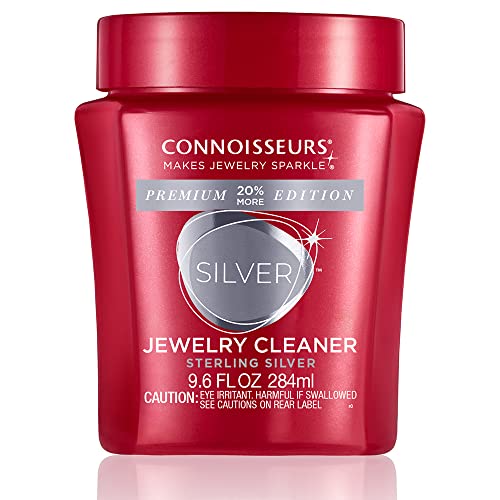
- Silver Jewelry Cleaning Kit with Solution and Polishing Cloth
- Tarnish Remover for Sterling Silver Jewelry Bracelet
- Sterling Silver Polishing Cloth Jewelry Care Kit
- Jewelry Cleaning Solution for Tarnished Silver Bracelets


Before You Start
Before cleaning, inspect the Pandora bracelet for any loose charms, clasps, or stones. If stones are present, ensure they are secure to prevent damage. Avoid soaking bracelets with glued-in stones or enameled pieces for extended periods. Work in a well-lit, clean area and use soft, lint-free towels to dry.
Cautions: Do not use abrasive brushes or rough cloths that can scratch the metal. Do not mix cleaning solutions with ammonia or bleach. For sensitive finishes or if the bracelet is heavily tarnished, consider a professional cleaning to avoid weakening the metal or enameling.
Estimated time: 15–45 minutes depending on tarnish severity. Moderate care can be completed in 20–30 minutes.
Step-By-Step: How To Clean A Tarnished Pandora Bracelet At Home
- Remove the bracelet from any accessories or earthen surfaces to prevent accidental damage during cleaning.
- If using an ultrasonic cleaner, fill the tank with the manufacturer’s recommended solution for silver, and set to the gentle or silver-cleaning mode. Place the bracelet in a soft mesh pouch or cradle to protect charms.
- Run a short cycle (30–60 seconds) for light tarnish, then remove and rinse under lukewarm water. If tarnish persists, repeat once more but do not exceed two cycles in a row.
- For hand cleaning, mix a small amount of jewelry cleaning solution with warm water. Dip a soft-bristled brush or cotton swab and gently clean each link and charm, paying attention to inner crevices where tarnish can accumulate.
- Rinse thoroughly with clean water to remove any cleaning solution residue. Pat dry with a soft, lint-free cloth, then air-dry completely on a clean surface.
- Apply a thin layer of polishing cloth or use a polishing kit to buff the bracelet to a bright, even sheen. Work in small circular motions and avoid excessive pressure on delicate charms.
- Inspect the bracelet for remaining tarnish. If needed, repeat the gentle cleaning and polishing steps on problem areas, being cautious around stones or enamel finishes.
- Store the cleaned bracelet in a cool, dry place. Consider a anti-tarnish pouch or compartment to slow future tarnish formation.
- For ongoing maintenance, wipe after wear to remove oils and sweat, and perform a light polish every few months depending on wear and environment.
- Document any issues such as loose clasps or stones and address them promptly to prevent further damage.
Troubleshooting
| Symptom | Likely Cause | Fix | Prevention |
|---|---|---|---|
| Bracelet looks dull after cleaning | Residual cleaner or water spots | Re-rinse, dry thoroughly, and buff with a clean cloth | Rinse until clean, dry completely |
| Persistent dark spots | Tarnish on porous areas or deep oxidation | Repeat cleaning with gentler cycle or tarnish remover, test on a small area first | Avoid overexposure to moisture; store properly |
| Scratches or dulling after cleaning | Overzealous brushing or abrasive cloth | Switch to a softer brush and polish with microfiber cloth | Use nonabrasive tools |
| Stones or enamel loosened during cleaning | Excessive agitation or chemicals | Discontinue cleaning around stones and seek professional help | Check stone settings before cleaning |
Common Mistakes
- Using harsh or abrasive cleaners on silver jewelry
- Soaking leather or fabric components alongside metal parts
- Neglecting to dry the bracelet thoroughly, which invites new tarnish
- Over-reliance on ultrasonic cleaners for sensitive Pandora pieces with enamel or stones
Tips For Best Results
- Test any new cleaner on a small, inconspicuous area first to ensure compatibility with Pandora finishes.
- Use the softest cloth possible when buffing to preserve surface luster without scratching.
- Perform regular light cleanings between deeper treatments to control tarnish buildup.
- Store the bracelet in a dry, sealed pouch with anti-tarnish properties when not in use.
- If uncertain about the bracelet’s materials or finish, consult Pandora’s care guidelines or a professional jeweler.
Call A Professional
Stop cleaning if the bracelet shows any signs of metal fatigue, loose clasps, cracked enamel, or loose stones. If tarnish is deeply set or if there are repair needs, contact a professional jeweler or Pandora service center. Jeweled settings and plated finishes may require specialized care beyond home methods.
FAQ
Can I clean a Pandora bracelet with water alone?
Water can help remove surface oils, but soap-free water is usually insufficient for tarnish removal. A mild cleaner designed for silver is often needed.
Is it safe to use an ultrasonic cleaner on Pandora charms?
It can be safe for solid sterling silver, but avoid ultrasonic cleaning on pieces with glued stones or enamel finishes unless the manufacturer confirms safety.
How often should I clean my Pandora bracelet?
Light cleaning every few weeks and deeper cleaning every few months, depending on wear and exposure, helps maintain shine without risking damage.
What should I do if tarnish returns quickly?
Consider storing in an anti-tarnish pouch, minimizing exposure to air and moisture, and performing a quick wipe after wearing.
Buying Guide
Choosing cleaning equipment for a Pandora bracelet involves several factors. Size and type of bracelet, the extent of tarnish, and presence of stones or enamel influence which tools to use. Noise level and energy efficiency matter when selecting an ultrasonic cleaner, especially for at-home use. Consider the following:
- <bSize and compatibility: Ensure the cleaner accommodates standard charm bracelets and does not require excessive submersion of stones or enamel.
- <bNoise level: Ultrasonic cleaners vary in sound; look for models with adjustable or lower decibel output for home environments.
- <bEnergy efficiency: Energy usage matters for regular use, especially in households aiming to reduce consumption.
- <bControls and settings: Choose cleaners with gentle cycles and timer options to control cleaning intensity.
- <bPlacement: A stable, easy-to-reach cleaning station helps maintain a consistent routine and reduces spill risk.
When evaluating products, compare options like a dedicated ultrasonic jewelry cleaner setup against a traditional silver jewelry cleaning kit. If heavy tarnish is present or stones are involved, a professional assessment may be more appropriate.