Choosing the right spray paint for cast iron means balancing heat resistance, durability, and a finish that looks good on rugged metal surfaces. The following selections cover high-heat tolerance, realistic cast-iron textures, and versatile multi-surface options. Each product is designed to adhere well to cast iron and resist chipping, rust, and weathering in typical American DIY and workshop environments.
| Product | Brand | Key Feature |
|---|---|---|
| VHT Flameproof Coating Very High Heat | VHT | Matte ceramic-silicone finish for high-heat cast iron |
| JENOLITE Cast Effect Spray Paint | JENOLITE | Realistic cast-iron look on multiple surfaces |
| VHT 550° Engine Enamel – Nu-Cast Cast Iron | VHT | Durable high-heat protection for automotive parts |
| Seymour Cast Blast Spray Paint | Seymour Paint | Professional-grade coating with heat resistance |
| Rutland 80 Hi-Temp Spray Paint | RUTLAND PRODUCTS | Up to 1200°F, adheres to most metals |
Below are five selected products that align with cast-iron projects, ranging from industrial-grade heat resistance to textured finishes that mimic real cast iron. Each entry includes a concise overview, compatible surfaces, and notable benefits to help you compare quickly.
VHT Flameproof Coating Very High Heat Spray Paint

Product highlights: This flame-proof coating is designed to extend the life of high-heat surfaces. The matte finish uses a ceramic-silicone base, commonly applied in automotive exhaust work. It performs best when used with primer and clear coat processes to maximize durability on cast iron components.
JENOLITE Cast Effect Spray Paint – IRON

Product highlights: This spray creates a realistic cast-iron look with a matte, textured finish. It’s a multi-surface paint designed for metal, wood, plastic, ceramics, and more, enabling versatile use for projects that require a genuine cast-iron appearance on various substrates.
VHT 550° Engine Enamel – Nu-Cast Cast Iron
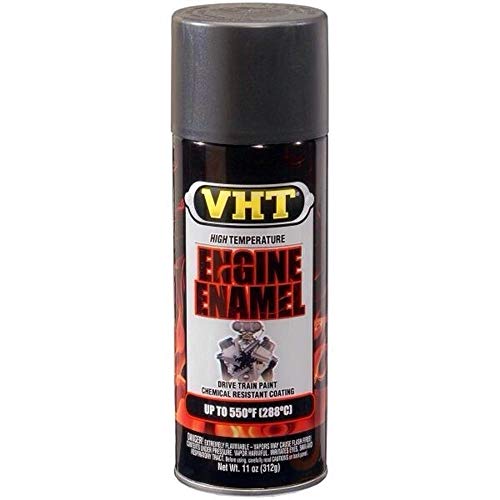
Product highlights: Engine enamel designed for heat resistance up to 550°F. It provides a durable finish that resists rust, corrosion, and chemical exposure in automotive environments. Suitable for engine blocks, brackets, and other cast-iron components requiring sturdy protection.
Seymour Cast Blast Spray Paint

Product highlights: Professional-grade coating designed to restore cast iron and cast aluminum engine parts. Quick-drying and durable, with heat resistance up to 250°F, making it a good choice for mid-range cast-iron projects and parts exposed to moderate heat.
Seymour 16-2668 Automotive Specialties Spray Paint

Product highlights: Produces a high-gloss, chrome-like finish with excellent hide and reduced overspray. Heat resistant up to 250°F, suitable for decorative or engine-related cast-iron surfaces that demand a glossy, durable look.
Rutland Hi-Temp Spray Paint

Product highlights: A high-temperature coating designed to withstand up to 1200°F. This flat black spray adheres to steel, cast iron, and other metals, making it ideal for grills, stoves, smokers, and chimney components where heat exposure is intense.
Rust-Oleum 7778830 High Heat Enamel

Product highlights: Oil-based high-heat enamel for metal surfaces subject to heat up to 1000°F. Ideal for grills, radiators, stoves, and engines. Covers up to 7-8 square feet and dries quickly for a durable, heat-resistant finish.
Rust-Oleum Painter’s Touch 2X Ultra Cover

Product highlights: Suitable for interior and exterior surfaces, including metal, with an oil-based formula that resists chips. Dries to touch quickly and provides good coverage, with a flat finish that helps hide surface imperfections.
Buying Guide: Key Considerations For Cast Iron Spray Paint
- Temperature tolerance: For cast-iron items exposed to heat, choose coatings rated for high temperatures, such as 550°F or higher, to prevent peeling and cracking.
- Finish style: Matte, satin, or glossy finishes affect aesthetics and texture. Realistic cast-iron textures can be achieved with cast-effect formulations, while durable finishes may emphasize rugged looks.
- Adhesion and priming: Proper surface prep and compatible primers improve adhesion on cast iron, preventing rust and flaking.
- Oil-based vs. water-based: Oil-based enamels typically offer stronger heat resistance, but may require longer curing and ventilation. Water-based options can be easier to clean but may have different heat limits.
- Multi-surface compatibility: If you plan to apply on steel, iron, and other metals, consider multi-surface paints that maintain finish uniformity across substrates.
- Drying and curing: Check drying times and full curing requirements. Some products dry to the touch quickly but need overnight curing for maximal durability.
- Maintenance and recoat window: Some high-heat paints allow recoating after a short interval; others require specific recoat windows to prevent solvent entrapment or color bleeding.
- Environmental and safety factors: Ensure adequate ventilation during application and use respirators if required by the product’s solvent content and drying temperatures.
When selecting a product, align the coating’s heat rating, texture, and intended use with your project goals—whether restoring a classic cast-iron stove, refinishing engine components, or achieving a textured, authentic cast-iron appearance on various substrates.