Rusty metal roofs pose unique challenges, combining corrosion risk with the need for weatherproof protection. The right coating can stop rust, seal out moisture, and extend roof life without frequent maintenance. This guide highlights five highly capable products designed to treat rusty metal and provide lasting protection for American homes. Each option covers different stages of rust: from rust converters that stabilize corrosion to sturdy roof coatings that seal and seal out the elements. Read on to compare performance, preparation needs, and long-term durability to choose the best paint for your rusty metal roof.
| Product | Type | Key Benefit |
|---|---|---|
| Rust-Oleum 7769502 Stops Rust Rusty Metal Primer Brush Paint | Rust Primer | Durable protective coat; ideal for heavily rusted surfaces |
| 2-in-1 Rust Converter & Metal Primer – Stops Rust | Rust Converter & Primer | Converts rust to paintable surface; one-step application |
| Rust-Oleum 248658 Stops Rust Reformer Spray Paint | Rust Converter Spray | Instantly converts rust to a paintable surface |
| Rust-Oleum 301999 350 Fibered Black Roof Coating | Roof Coating | Waterproofs and revitalizes asphalt roofs; low-temperature application |
| Rust-Oleum 301903 10 Year Elastomeric Roof Coating | Elastomeric Roof Coating | Long-term protection; flexible, weather-resistant |
Rust-Oleum Stops Rust Rusty Metal Primer Brush Paint
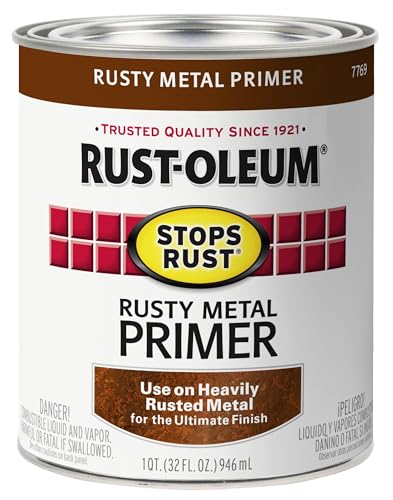
This brush-on primer is designed specifically for exterior or interior heavily rusted metal surfaces. The oil-based formula provides a durable base coat with strong rust prevention, making it a solid first step before topcoats on rusty roof panels. It dries to the touch in 2–4 hours, helping to speed up project timelines. Coverage ranges from 65–110 square feet per quart, depending on surface texture and porosity. Use this product to stabilize rust and create a uniform surface for subsequent coatings.
2-in-1 Rust Converter & Metal Primer

This 2-in-1 formula acts as both a rust converter and a metal primer, converting rust into a stable, paintable surface while sealing out moisture and corrosive elements. It eliminates the need for separate sanding and priming steps, saving time on large rusty areas. It’s compatible with a wide range of metals, including steel, iron, and aluminum, making it suitable for automotive, marine, and industrial roof components. The product also touts heat and UV resistance up to 350°F (176°C), helping protect exposed roofing elements in harsher climates.
Rust-Oleum Stops Rust Rusty Metal Primer Spray
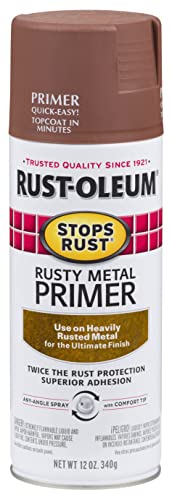
This spray primer is crafted for heavily rusted metal surfaces and provides a durable protective coating that helps prevent further corrosion. The oil-based formula dries to the touch quickly, typically within 15–30 minutes, allowing for faster project cycles on roof sections that need rapid retreatment or touch-ups. Coverage per can is typically 10–12 square feet, so this option is well-suited for spot repairs or smaller roof areas where spray reach is advantageous. It works best as a primer to anchor subsequent topcoats.
Rust-Oleum Stops Rust Reformer Spray Paint

This reformer spray quickly converts rust on metal surfaces into a paintable, flat black finish that’s ready for topcoats. The oil-based formula forms a bond with the rusted surface to inhibit future corrosion and prevent rust from progressing. Drying time is tack-free in 20–40 minutes, with a recommended 24 hours before applying a topcoat. It’s ideal for larger rusty sections where a spray approach provides even coverage without extensive sanding or priming.
Rust-Oleum 301999 Roof Coating (Fiberd Black)

This premium coating is designed for smooth asphalt built-up and modified bitumen roofing, with strong water proofer and weather proofer properties. It revitalizes older roofs by creating a consistent, protective layer that helps resist moisture infiltration. The coating is described as suitable for low-temperature application, which can be advantageous for fall or winter remodeling windows in regions with cooler climates. It provides a durable finish that can seal vulnerable roofing joints and edges while improving overall roof longevity.
Rust-Oleum Roofing Accessory Coating Spray

Designed for exterior use on wood, metal, masonry, and plastic, this coating spray complements a range of roof accessories. The oil-based formula is engineered to resist chipping and weathering, offering enhanced coverage and hide. It dries to the touch in about 20 minutes and covers up to 12 square feet per application, enabling quick touch-ups or small accessory installations around the roof. This product works best as a supplementary coating alongside primary rust treatments and sealants.
Rust-Oleum 344763 Automotive 2-in-1 Rust Reform & Seal
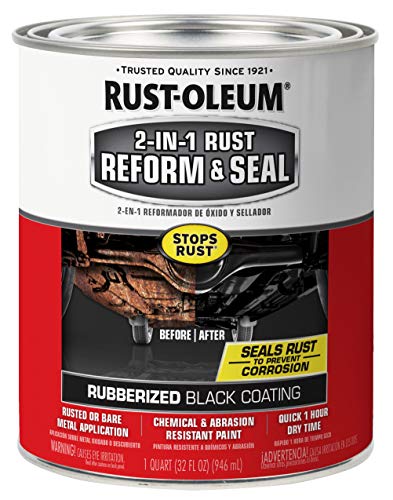
This 2-in-1 reform and seal product provides a flexible, rubberized coating that resists chemicals and abrasion while sealing metal surfaces to prevent moisture ingress. It dries to the surface within 1–2 hours and covers 85–175 square feet per quart, depending on porosity and texture. The coating’s elasticity helps accommodate expansion and contraction of roof metal under temperature shifts, reducing the risk of cracking and exposing bare metal.
Rust-Oleum 301903 10 Year Elastomeric Roof Coating

This elastomeric roof coating is designed for long-term protection of roofs and foundations. It provides a breathable, flexible barrier that helps prevent moisture penetration and extends the life of the roofing system. The product is marketed as wind- and rain-resistant, with the capability to seal small imperfections and micro-cracks found in aging roofs. A 10-year performance horizon makes it suitable for homeowners seeking durable, low-maintenance protection for metal and other roof substrates.
Buying Guide: Key Considerations For Rusty Metal Roof Coatings
- Rust stage and repair method: For advanced rust, consider rust converters (2-in-1 Rust Converter & Primer or Reformer sprays) to stabilize corrosion before applying topcoats. For lightly to moderately rusty surfaces, a dedicated rust primer or elastomeric coating can provide robust protection with fewer steps.
- Topcoat compatibility: Ensure the base treatment (converter, primer, or reformer) pairs well with the intended topcoat, whether a roof coating, enamel, or elastomeric sealant. This prevents adhesion issues and ensures long-term performance.
- Climate and temperature: Some coatings are formulated for low-temperature application or high-UV exposure. If your roof faces extreme sun, consider UV-resistant elastomeric or reflective coatings to improve energy efficiency and durability.
- Surface preparation: Clean and remove loose rust and debris before applying products. For larger rust patches, mechanical prep or sanding may be required to achieve proper adhesion.
- Coverage and project scale: Primer and spray products have different coverage rates. Plan for enough product to cover the entire roof area, including potential touch-ups. For large roofs, two or more coats may be advisable.
- Durability and warranty: Look for coatings with proven rust protection, moisture resistance, and, if possible, manufacturer warranties that align with climate expectations and roof material.
- Application method and safety: Read label directions for ventilation, curing times, and any required protective gear. Some roof coatings can emit fumes; plan application during mild weather and with adequate airflow.
- Maintenance and re-coating: Elastomeric and roofing coatings may require re-coating every 5–10 years, depending on wear and climate. Consider maintenance cycles in your long-term roof plan.
- Color and reflectivity: Some coatings offer light-reflective options to improve energy efficiency and reduce heat absorption on sun-exposed roofs. Darker finishes may absorb more heat but blend with certain aesthetics.
In selecting the right paint or coating for a rusty metal roof, homeowners should weigh corrosion stage, climate, roof size, and maintenance plans. The products above provide a spectrum of strategies—from rust converters that halt progression to durable elastomeric and waterproof roof coatings that extend roof life. For most scenarios, starting with a rust-conversion or priming step followed by a compatible topcoat offers the best balance of protection and longevity.