Cutting in along ceilings requires brushes that offer control, steady bristles, and comfortable grips. This guide compares five top-rated options designed to help you achieve clean lines and professional results when painting ceilings or trimming near edges. The selections emphasize angled designs, short handles, and materials that minimize splatter and brush marks. Read on to match a brush to your project and workspace.
Summary of chosen products:
| Product | Brand | Angle Type | Key Benefit |
|---|---|---|---|
| Wooster Q3211-2 Shortcut Angle Sash Paintbrush, 2-Inch | Wooster | Short angled sash | Maneuverable in tight spaces with a compact purple Shergrip handle |
| ROLLINGDOG 2 Inch Angled Paint Brush for Painting Walls, Furniture, Cutting in | ROLLINGDOG | 2-inch angled | Solid round tapered filaments for a smooth, shedding-free finish |
| PinStone 3 Pack 2 Inch Angled Paint Brush Set | PinStone | 2-inch angled | Three-piece set with easy-grip rubber handles for versatility |
| Zibra Precision Detail Paint Brush, 2-Inch | Zibra | 2-inch precision angled | Pro-grade construction offering precise edge control |
| Richard 13400 5/8″, 3/4″ and 1″ Elegance Trim Brush Set | Richard | Multi-size angled trim | Three-size set for varied edge work and ceilings |
Wooster Q3211-2 Shortcut Angle Sash Paintbrush, 2-Inch

The Wooster Q3211-2 is a compact, 2-inch angled sash brush designed for tight corners and ceiling edges. Its short purple Shergrip handle provides nimble control in overhead spaces, helping you maintain a steady hand as you cut in along the ceiling line. The brush uses a white nylon and gold polyester blend that performs well with many paints, reducing brush marks and promoting a smooth finish. A brass-plated steel ferrule adds durability for extended use in trimming tasks.
ROLLINGDOG Edger Set: 2-Piece Angle and Trim Brushes

This ROLLINGDOG set includes two integrated edging tools designed for precise cut-ins. The seamless aluminum ferrule construction and two distinct brush heads—one square trim brush and one short angled triangle brush—support versatile edging work across ceilings and trim. Each head measures around 22–24 mm per side, enabling clean lines along tight corners and around fixtures without overspray. The set is optimized for users who frequently cut in at high wall heights or near ceiling borders.
ROLLINGDOG 2 Inch Angled Paint Brush for Cutting In
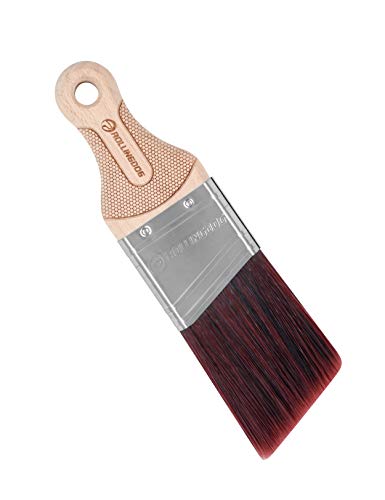
The 2-inch angled brush from ROLLINGDOG focuses on reducing brush marks with a solid round tapered filament design. A stainless steel ferrule resists corrosion, ensuring longevity with repeated use during trim, edging, and ceiling-cutting tasks. The short wooden handle is laser-engraved for an ergonomic grip, promoting control and reducing fatigue during longer painting sessions. This brush is well-suited for ceilings where accuracy and steady hand positioning matter most.
ROLLINGDOG 2.5Inch Paint Edger Brush

Designed for high ceilings and stairwells, this 2.5-inch adjustable edger allows angle locking in six positions. It uses high-quality solid round tapered filaments to deliver a smooth, detailed application around obstacles. The push-button angle adjustment helps painters adapt to uneven ceilings or crown molding, making it a strong option for ceiling work where variable angles are necessary.
Zibra Precision Detail Paint Brush, 2-Inch

The Zibra 2-inch precision detail brush emphasizes edge control for cutting in near trim and around doorways, outlets, and ceiling edges. It features pro-grade construction with aluminum inserts, epoxy glue, and threaded nails to enhance durability. The angled tip helps painters achieve clean lines in tight spaces, reducing the chance of slipping onto adjacent surfaces. It is compatible with water- and oil-based paints and stains, making it versatile for many ceiling projects.
PinStone 3 Pack 2 Inch Angled Paint Brush Set

The PinStone three-pack delivers three 2-inch angled brushes with synthetic bristles and rubber-grip handles. Each brush uses a stainless steel ferrule, creating a durable connection to the short handle. The synthetic bristles are shed-free and designed to hold paint well, producing even finishes on ceilings and walls. The compact design helps with precise edging when cutting in along crown molding or doorway frames.
Buying Guide: Key Purchase Considerations
Brush Type and Angle
When cutting in ceilings, angled brushes outperform flat ones due to the geometry that places bristles closer to the ceiling edge. Short handles improve control and reduce wrist strain during overhead work. Look for brushes labeled as angled sash or edger brushes, and choose sizes between 2 and 2.5 inches for ceilings and trim.
Bristle Material and Shedding
Brilliant finishes come from brushes that shed minimally. Synthetic bristles, especially blends of nylon and polyester, offer a good balance of paint pickup and smooth release. For oil-based paints, ensure compatible bristles to prevent fraying or stiff bristles that hamper control. Washable brushes save time on cleanup and extend life.
Ferrule and Build Quality
A strong ferrule—preferably stainless steel or brass-plated—reduces bristle loss and resists corrosion in humid environments. Look for well-secured bristles and reinforced handles, especially on edger brushes used for ceiling work where leverage and stability matter.
Grip and Comfort
Overhead painting can be fatiguing. Ergonomic, short handles with non-slip grips help maintain precision over longer sessions. Some brushes feature molded or textured handles and even engraved designs for added comfort during detailed edging tasks.
Compatibility and Maintenance
Choose brushes compatible with the paints you use most—latex, acrylic, or oil-based. Most modern brushes are multi-paint compatible, but always verify. Cleaning is key to longevity: rinse after use, reshape bristles, and store bristles-up to maintain edge alignment.
Set versus Individual
Sets can provide versatility for different edges, trim, and tight spaces, often at a better value per brush. Individual brushes suit specific tasks or preferred brands. For ceilings, a small angled brush paired with a larger trim brush covers both edges and broader ceiling expanse efficiently.
Usage Scenarios
Use angled brushes for: cutting in along ceilings, staining near crown molding, edging around fixtures, and painting in corners. For high walls and stairwells, consider extension-ready designs or adjustable-edger brushes to reach elevated areas without ladders.
Durability and Value
Durability is tied to bristle quality, ferrule strength, and handle construction. While premium brushes may have higher upfront costs, their longevity and smoother finishes can reduce repaint cycles and improve results over time.
By selecting a combination of small angled brushes for tight spots and larger edging brushes for broader ceilings, you gain a versatile toolkit that supports precise, consistent cuts in ceiling painting projects. The options reviewed here provide various textures, grips, and angles to suit different ceilings, room sizes, and painter preferences.