Limestone pavers add timeless charm to patios, walkways, and outdoor spaces, but their porous surface requires careful cleaning to avoid dulling or damage. This guide outlines practical, American-friendly steps to restore brightness while protecting the stone.
Quick Answer
Use a gentle limestone-safe cleaner, scrub with a stiff nylon brush, rinse thoroughly, and seal to protect from staining. For tough grime, consider a specialized stone patio cleaner for limestone exterior and a light pressure wash, then reseal with a penetrant limestone paver sealer for patio surfaces.
What You’ll Need
- Limestone paver cleaner spray bottle concentrate
- Stone patio cleaner for limestone exterior
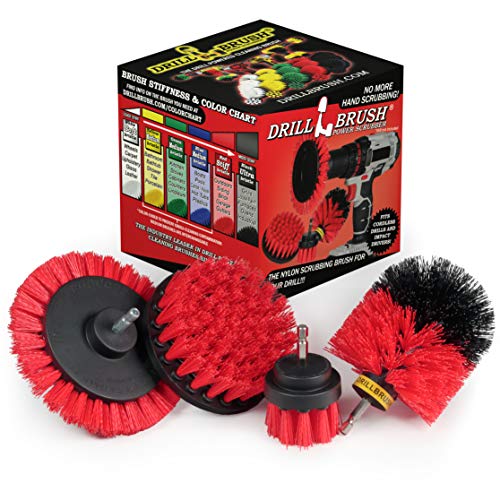
- Limestone paver scrub brush stiff nylon
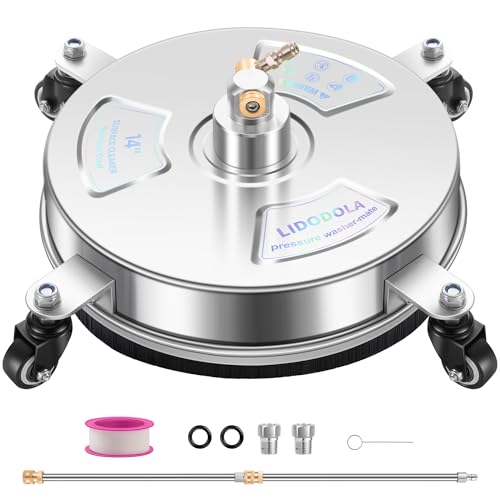
- Pressure washer for limestone pavers exterior
- Limestone paver sealer penetrant sealer for patio

Before You Start
Prepare the area by removing furniture, planters, and debris. Sweep or vacuum loose dirt to minimize abrasive contact. Test cleaners in a small, inconspicuous area first to confirm no color change. Wear eye protection and gloves, and follow all label directions. Allow freshly cleaned pavers to dry completely before sealing.
Step-By-Step: How To Clean Limestone Pavers
- Remove debris and sweep the surface to reveal any hidden stains.
- Rinse with plain water to wet the pavers and loosen surface grime.
- Apply a limestone-safe cleaner according to the product’s instructions; use a spray bottle concentrate for even coverage.
- Let the cleaner sit for the recommended dwell time to break down organic stains and mineral deposits.
- Scrub with a stiff nylon limestone paver scrub brush, focusing on stained or high-traffic areas.
- Rinse thoroughly with a garden hose or a light pressure wash to remove cleaner and loosened material.
- Inspect for remaining stains; repeat the cleaning cycle if necessary.
- Allow the surface to dry completely before applying sealer if you plan to protect against future staining.
- Apply a penetrant limestone paver sealer for patio according to the product directions for best protection.
- Reinstall outdoor items after the seal has cured as recommended by the sealer manufacturer.
- Address persistent staining with a targeted cleaner and gentle brushing, then rinse well to avoid residue.
- Schedule periodic cleaning to maintain brightness and prolong the life of the stone.
Troubleshooting
| Symptom | Likely Cause | Fix | Prevention |
|---|---|---|---|
| Stains persist after cleaning | Deep-set mineral deposits or organic matter | Apply an additional round of cleaner and scrub with the nylon brush | Clean regularly to prevent buildup |
| Discoloration after sealing | Sealant applied too soon or on damp surface | Wait for full dryness and reseal per instructions | Ensure surface is dry and pores are closed before sealing |
| Water beads poorly after sealing | Wrong sealer type for limestone or over-application | Consult product guidelines and reseal correctly | Choose a penetrant sealer designed for limestone and apply thin coats |
| Surface feels slick | Residue from cleaner or sealer | Rinse thoroughly and lightly buff with a clean cloth | Use recommended working practices and dry times |
Common Mistakes
- Using high-alkaline cleaners that can dull or etch limestone.
- Over-using water from a pressure washer at too high a pressure.
- Skipping a test patch before cleaning or sealing.
- Sealing when the surface is not completely dry or when the pavers are dirty.
Prevent issues by selecting products labeled for limestone, applying in cool, overcast conditions, and following label directions carefully.
Tips For Best Results
- Work in shade to prevent rapid drying, which can leave streaks.
- Do a small test area before full-scale cleaning to confirm color stability.
- Use a spray bottle concentrate for even distribution on large surfaces.
- Seal after a thorough cleaning and full drying; a penetrant sealer provides long-lasting protection.
Call A Professional
Consider professional help if the limestone shows deep staining, significant efflorescence, or extensive pitting. Stop and consult a stone care specialist if:
- Stains persist after repeated cleaning cycles.
- There is visible surface damage or cracking.
- There is uncertainty about the correct sealer type for your limestone pavers.
FAQ
Can I use a regular household cleaner on limestone pavers?
Household cleaners can be too harsh; use products labeled for limestone or neutral pH cleaners designed for stone surfaces.
Is pressure washing safe for limestone pavers exterior?
Light to moderate pressure is acceptable if kept at a distance and used with care to avoid etching or spalling.
How long should I wait before sealing after cleaning?
Wait until the surface is completely dry, usually 24 to 48 hours depending on climate and airflow.
What is the best sealer for limestone pavers?
A penetrant limestone paver sealer for patio provides protection without altering appearance. Follow the manufacturer’s cure times.
How often should limestone pavers be cleaned?
Clean as needed to remove organic staining, dirt, and mineral buildup; routine maintenance helps maintain color and longevity.
Buying Guide
When choosing products to clean and protect limestone pavers, consider size, noise level, energy efficiency, controls, and placement. For home use, select a limestone paver cleaner spray bottle concentrate and a stone patio cleaner for limestone exterior that are labeled for outdoor stone surfaces. A limestone paver scrub brush stiff nylon provides effective scrubbing without scratching. If you plan to refresh seal protection, a limestone paver sealer penetrant sealer for patio offers durable protection against weather and staining. For maintenance, a pressure washer for limestone pavers exterior can help remove grime with controlled settings. When placing cleaners and tools, ensure storage is dry and away from children and pets. Always read product labels to match pH, dwell times, and application methods to your specific limestone finish.