Maintaining a clean 3 gallon fish tank helps keep residents healthy and reduces the risk of algae overgrowth. This guide walks through a practical, step-by-step approach using common small-tank cleaning tools and safe methods suitable for compact setups. Readers will learn how to remove debris, perform partial water changes, and prevent recurring issues without stressing aquatic pets.
Quick Answer
Best practice: perform a partial water change of about 20–30% weekly, use a siphon gravel cleaner to remove debris, and employ a small algae cleaner to manage surface growth. Keep equipment dedicated to the tank to minimize contamination and avoid over-cleaning which can stress fish.
What You’ll Need
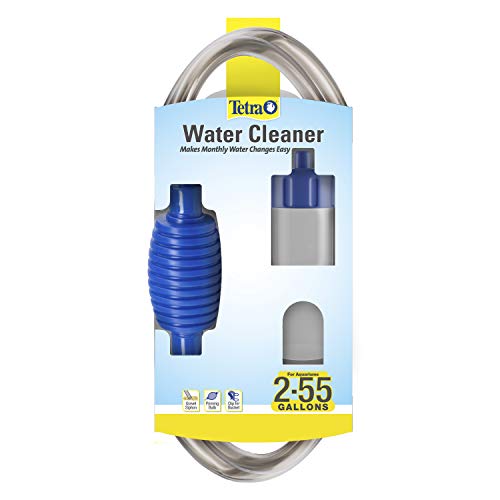
- 3 gallon aquarium siphon gravel cleaner
- mini aquarium cleaning kit for small tanks
- algae magnet cleaner for small aquarium
- adjustable water siphon for 3 gallon fish tank
- 3 gallon aquarium gravel vacuum


Before You Start
Before any cleaning, turn off or unplug sensitive equipment such as filters and heaters to prevent electrical issues or sudden temperature changes. Lift removable decorations gently to avoid breaking glass or harming fins. Gather all supplies in advance to minimize tank disruption. Plan for a total time of 20–40 minutes depending on debris level and water parameters. Important: never remove all tank water at once, and avoid using soap or household cleaners inside the tank, which can harm fish and beneficial bacteria.
Step-By-Step: How To Clean A 3 Gallon Fish Tank
- Inspect the tank and fish behavior. Look for signs of stress, disease, or unusual swimming patterns which may justify pausing to assess water quality first.
- Turn off the filter and heater. This reduces current while you clean and prevents sudden temperature shifts. Leave skimmer or surface current inactive during the procedure.
- Remove decorations and plants if needed. Rinse them in warm water gently to remove algae, taking care not to disturb beneficial bacteria on porous decor.
- Using a 3 gallon aquarium gravel vacuum, insert the siphon into the substrate. Begin a slow flow and move the nozzle in circular motions to lift detritus from the gravel without disturbing the substrate too much.
- Perform a partial water change. Remove about 20–30% of the water using the adjustable water siphon for 3 gallon tank or the gravel vacuum’s siphon function. Replace with conditioned water of matching temperature and pH.
- Clean the glass and remove algae. Use the algae magnet cleaner for small aquarium to wipe the inside panels, focusing on corners and any film that reduces light penetration.
- Finish substrate cleaning. Re-skim the gravel with the siphon to catch any remaining debris and ensure a steady baseline for filtration when reactivated.
- Reassemble and restart equipment. Place decorations back and reattach the heater and filter. Check that all devices are functioning and that the water resembles the previous temperature.
- Test the water. If test kits show ammonia, nitrite, or nitrate levels outside safe ranges, perform additional water changes or adjust feeding habits to reduce waste buildup over time.
- Observe the tank after restart. Ensure water clarity improves within a few hours and that fish return to normal activity levels.
- Schedule routine maintenance. Set a weekly plan for partial water changes and substrate cleaning to minimize algae growth and keep nutrients balanced.
- Document changes. Note water parameters, cleaning dates, and any fish behavior shifts to track long-term trends and catch potential issues early.
Troubleshooting
| Symptom | Likely Cause | Fix | Prevention |
|---|---|---|---|
| Cloudy water after cleaning | Disrupted beneficial bacteria or overfeeding | Increase beneficial bacteria by avoiding over-cleaning; reduce feeding | Maintain consistent cleaning schedule |
| Algae rapidly returns | Excess light or nutrients | Limit light exposure and reduce feeding; add algae-eating source careful | Use timer to regulate light; monitor nutrient input |
| Fish show stress after cleaning | Temperature fluctuation or abrupt water quality change | Match new water temperature and parameters; slow cleaning pace | Acclimate gradually to changes |
| Filter stops after restart | Air trapped or incorrect assembly | Check air intake and tubing; reassemble properly | Follow manufacturer start-up steps |
Common Mistakes
- Cleaning too aggressively or fully replacing water too often, which disrupts bacteria balance.
- Using soaps, detergents, or chemical cleaners inside the tank.
- Neglecting to condition tap water before adding it to the aquarium.
- Choosing oversized tools or siphons that are not calibrated for a 3 gallon tank.
Tips For Best Results
- Keep a dedicated set of small-tank tools to avoid cross-contamination with larger setups.
- Perform routine weekly partial water changes to stabilize parameters and reduce toxin buildup.
- Test water regularly for ammonia, nitrite, and nitrate to catch issues early.
- Use a conditioned water source and ensure temperature matches tank water to minimize stress.
- Consider scheduling algae cleaning during natural light cycles to reduce glare and surface films.
Call A Professional
Consider contacting a professional if the tank shows persistent signs of distress such as prolonged abnormal swimming, persistent disease symptoms, or water parameters that refuse to stabilize despite routine maintenance.
Stop signs include persistent algae blooms after multiple cleanings, unusual fish death, or recurring cloudy water that does not clear with standard care.
FAQ
Can I clean a 3 gallon fish tank without removing water?
Partial water changes are recommended to maintain a stable environment while cleaning debris with a siphon.
What should I do if the filter becomes noisy after cleaning?
Check for air bubbles and re-seat the filter; ensure tubing is clear and the unit is level.
How often should I replace aquarium gravel vacuum heads?
Inspect for wear or cracks and replace as needed to maintain effective suction and reduce contamination risk.
Is it safe to rinse decorations with tap water?
Rinse in conditioned water or remove and disinfect as needed, but avoid introducing contaminants back into the tank.
Buying Guide
Choosing the right equipment for a 3 gallon fish tank involves several factors. Size, though small, influences tool compatibility and water management complexity. Pay attention to the size of the gravel vacuum and siphon to ensure they fit the tank dimensions and can reach the substrate easily. Noise level matters in small spaces, so opt for quiet models if the tank is in a bedroom or study. Energy efficiency is a practical concern for devices run frequently, particularly filters and heaters. Controls should be straightforward, with clear on/off switches and adjustable flow when possible. Placement matters: keep tools near the tank to minimize disruption and contamination.
When comparing options, consider multi-purpose kits that bundle a gravel cleaner, algae cleaner, and siphon together. Look for kits designed specifically for small tanks to ensure compatibility with 3 gallon systems and to avoid oversized components. Reading user reviews can reveal real-world performance in similar setups, including ease of use and reliability. If a purchase decision hinges on brand, prioritize reputable makers with positive support and parts availability.