Dog hair can cling to carpet fibers and resist basic vacuuming. This guide outlines practical, at-a-glance methods and tools to keep indoor rugs free of fur, using common household gear and purpose-built pet hair tools.
By combining different techniques, homeowners can reduce shedding visibility and maintain a cleaner living space for pets and people alike.
Quick Answer
Best results come from a multi-method approach: start with a carpet rake or de-shedding brush, follow with a dedicated pet hair remover roller, and finish with a vacuum equipped for pet hair. For stubborn spots, repeat the process on high-traffic areas.
What You’ll Need
The following tools are commonly recommended for removing dog hair from carpets. Use the list as a workflow guide to tackle different carpet types and hair lengths.
- carpet rake for dog hair removal
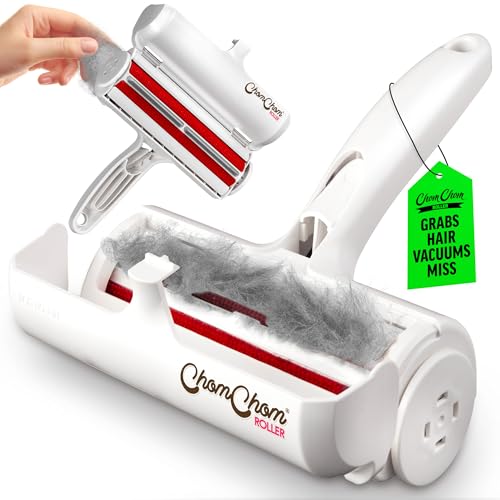
- pet hair remover roller for carpet
- handheld pet hair brush for carpets
- vacuum with pet hair attachment for carpet
- carpet de-shedding brush


Before You Start
Prepare the work area by clearing furniture and vacuuming nearby floors to reduce new hair collection. test tools on a small, inconspicuous carpet area to ensure bristles won’t damage fibers. A typical cleaning session may take 15–30 minutes depending on hair length and carpet area. Wear a mask if you have allergies and keep pets out of the room during deep cleaning.
Also consider carpet type: dense cut pile may trap more hair, while low-pile carpets respond better to rollers and vacuums. For safety, unplug electrical devices before using stackable tools and always follow manufacturer guidelines for attachments.
Step-By-Step: How To Clean Dog Hair From Carpet
- Begin by using a carpet rake for dog hair removal to lift hair from the carpet surface and loosen fibers.
- Go over high-traffic areas with a carpet de-shedding brush to remove embedded fur without pulling threads.
- Run a handheld pet hair brush for carpets across edges and corners where hair accumulates.
- Apply a pet hair remover roller for carpet in overlapping passes to lift hair from the base of the pile.
- Use a vacuum with a vacuum with pet hair attachment for carpet on high suction and a narrow nozzle for deep extraction.
- Vacuum slowly in parallel strokes and re-vacuum from different directions to prevent missed hairs.
- For persistent clumps, dampen a microfiber cloth slightly and press onto the area before rerolling or vacuuming.
- Repeat the sequence on heavy shedding weeks or after outdoor pet exposure to maintain cleanliness.
Troubleshooting
| Symptom | Likely Cause | Fix | Prevention |
|---|---|---|---|
| Hair remains after vacuuming | Insufficient tool for carpet type | Switch to a carpet rake or de-shedding brush, then vacuum again | Regular weekly sessions |
| Hair redeposits after cleaning | Static cling or pile collapse | Use a damp cloth or slightly humidify the area and re-run tools | Maintain humidity in dry seasons |
| Tools clog quickly | Hair buildup in brush or roller | Clean with water flow or replace head after heavy shedding | Clean tools after each use |
| Edge hair remains | Vacuum nozzle not contacting base of pile | Switch to a slim attachment or brush tool for edges | Regular edge-focused passes |
Common Mistakes
- Relying on one tool only; different hairs and carpet types need multiple approaches.
- Using overly wet methods that can saturate the carpet and attract dust.
- Skipping corners and under furniture where hair collects.
- Ignoring tool maintenance, which reduces effectiveness over time.
Tips For Best Results
For best outcomes, tailor the routine to hair length and carpet texture. Use the carpet rake first to loosen fur, then switch to a roller or brush for lift, and finish with vacuuming. Maintain a regular schedule during shedding seasons and store tools in an accessible area for quick touch-ups. If pets shed heavily indoors, consider multi-step daily brushing outside to reduce indoor hair before it reaches the carpet.
Call A Professional
Seek professional cleaning services if the carpet has deep stains, significant odor, or if there are concerns about fiber damage from aggressive brushing. If you notice lingering allergens or persistent asthma triggers despite frequent cleanings, a professional assessment can help identify hidden hair reservoirs and interior air quality issues.
FAQ
What’s the most effective tool for dog hair on carpet?
A combination approach usually works best: a carpet rake for initial lift, followed by a de-shedding brush or roller, then vacuum with appropriate attachments.
How often should I clean dog hair from carpets?
In households with regular shedding, aim for at least once a week, and increase frequency during peak shedding seasons.
Can I use water or wipes to help remove hair?
Lightly dampen the area with a microfiber cloth or use damp wipes on the surface before using a roller or vacuum for better lift.
Which carpet types are hardest to clean?
High-pile or shag carpets tend to trap more hair, requiring more passes with a rake, brush, and vacuum attachments.
Should I brush my dog before cleaning the carpet?
Yes. Regular brushing outside or in a designated area reduces the amount of loose hair that reaches the carpet.
Buying Guide
When choosing tools to remove dog hair from carpet, consider size, weight, and ease of use. Look for multi-surface compatibility and a design that suits your carpet pile. Noise level is a practical factor if cleaning in homes with sleeping pets. Energy and battery life matter for cordless rollers or vacuums. Controls should be intuitive, and attachments must align with carpet types you own. Placement in a cleaning closet or utility room should allow quick access for routine upkeep. Evaluate compatibility with existing vacuum models to maximize effectiveness and minimize redundancy.