Greasy or oily buildup on blinds can make rooms feel dull and dusty. A targeted cleaning routine using common household tools can restore brightness without taking down every slat. This guide provides practical steps to remove grease from vinyl and other blind materials while keeping surfaces safe and intact.
By following a structured approach, homeowners can achieve noticeably cleaner blinds with minimal effort. The method uses accessible tools and steps designed for American homes, ensuring effective results whether blinds are in the kitchen, dining area, or living room.
Quick Answer
Fast method: Start with a dry microfiber duster to lift loose dust, then use a damp microfiber cloth or a microfiber cleaning cloth if needed. For stubborn grease, a handheld steamer can help loosen grime before a final wipe. Finish with a vacuum attachment brush to capture remaining particles.
What You’ll Need
- Extendable microfiber blind duster with soft bristles
- Vacuum attachment brush for cleaning blinds
- Handheld steamer for window blinds
- Microfiber cleaning cloths for vinyl blinds
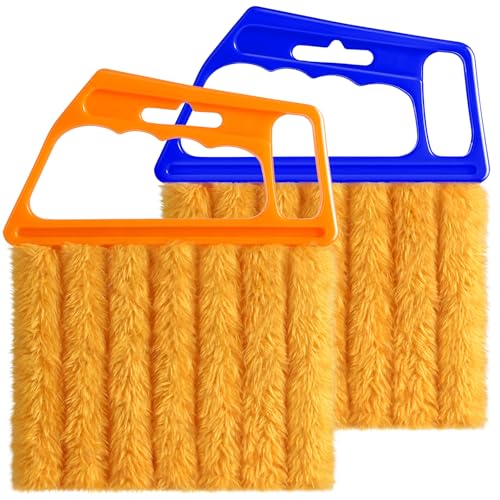
- Slim cleaning brush for Venetian blinds


Before You Start
Assess blind materials to avoid damage: vinyl and PVC blinds tolerate mild cleaning, while wood and fabric blinds may require gentler methods. Test a small, inconspicuous area first to ensure colors and finishes are not affected. Work from the top down to prevent re-soiling. Schedule 20–40 minutes for a standard window treatment, more for heavily soiled blinds. Use a gentle touch and avoid saturating fabrics with water.
Step-By-Step: How To Clean Greasy Blinds
- Remove loose dust with an extendable microfiber blind duster to prevent grinding grease into slats.
- For stubborn grime, run a handheld steamer lightly along the slats to loosen grease without soaking the blinds.
- Wipe each slat with a microfiber cleaning cloth, starting at the top and moving downward to trap dirt.
- Use a slim cleaning brush for tight gaps between venetian slats to dislodge stuck residue.
- For vinyl blinds, follow with a damp cloth slightly moistened with water or a mild cleaning solution; avoid harsh chemicals.
- Vacuum the surface gently with a vacuum attachment brush to remove loosened grease and dust.
- Dry each slat with a clean dry microfiber cloth to prevent water spots and streaks.
- If a panel remains greasy, repeat the damp wipe and dry step on that section only.
- Inspect for missed spots and repeat targeted wipes as needed, focusing on the top margins and edges where residue collects.
- Return the blinds to their normal position and wipe nearby window frames to capture any drifted grime.
Troubleshooting
| Symptom | Likely Cause | Fix | Prevention |
|---|---|---|---|
| Difficult to remove oily residue | Stale grease buildup | Use a handheld steamer to loosen, then wipe | Clean regularly to prevent buildup |
| Water spots after cleaning | Too much moisture | Use a dry microfiber cloth after damp wipe | Wring cloth well, avoid soaking |
| Streaks on vinyl | Inadequate drying | Dry thoroughly with a second cloth | Work in small sections |
| Brackets or cords stained | Grease near hardware | Spot-clean with a damp cloth, avoid splashing | Regular maintenance around hardware |
Common Mistakes
- Using vigorous scrubbing on delicate slats, which can scratch surfaces
- Over-wetting fabric or wood blinds, causing warping or discoloration
- Skipping a test area before full cleaning, risking color transfer or damage
- Neglecting to dry thoroughly, leading to moisture-related issues
Tips For Best Results
- Schedule routine cleanings to prevent heavy grease buildup.
- Use extendable tools to avoid climbing on furniture or ladders.
- Reserve the handheld steamer for stubborn sections only, at low to medium heat.
- Store microfiber cloths separately by material or color to avoid cross-contamination.
- After cleaning, run blinds through a few cycles to ensure even distribution of any cleaning residues.
Call A Professional
Consider calling a pro if blinds are extensively damaged, warped, or if there are persistent grease stains that do not respond to standard cleaning. Seek professional help if blinds have exposed wooden cores, delicate fabrics that may shrink, or electrical components near damp areas.
FAQ
Will fogging or steam cleaning harm blinds?
Steam can loosen grime effectively, but avoid excessive moisture on non-waterproof blinds. Always test first and use low heat.
Can I use household cleaners on vinyl blinds?
Yes, as long as they are mild and non-abrasive. Avoid ammonia-based products that can degrade plastic coatings.
Should I remove blinds before cleaning?
Removing blinds makes cleaning easier for some setups, but many blinds can be cleaned in place with extendable tools.
How often should greasy blinds be cleaned?
For kitchens or high-grease areas, aim for a monthly wipe-down; otherwise, quarterly cleans are usually sufficient.
Buying Guide
Choosing the right tools helps maintain clean blinds efficiently. Consider size, material, and the level of grease you typically encounter.
- <bSize and reach: An extendable duster allows access to hard-to-reach tops without moving furniture.
- <bMaterial compatibility: Microfiber works well across vinyl, plastic, and treated wood blinds.
- <bAbsorption and gentleness: Softer bristles prevent scratching on delicate slats.
- <bNoise and energy efficiency: Manual tools are quiet and low energy; steam or vacuum attachments add power but require caution.
- <bPlacement considerations: Wall-mounted blinds in kitchens benefit from quick-dry accessories near sinks and work stations.
For blended cleaning tasks, a combination of tools often yields the best results. Do you want to minimize water use while maximizing grime removal? A thoughtful kit helps achieve that balance with less effort.