Cleaning out a home after a death can be emotionally taxing and physically demanding. Proper planning, safety precautions, and the right tools help ensure the space is cleaned thoroughly and safely. This guide outlines practical steps, from initial assessment to final cleaning, with product-focused options to support the process.
Quick Answer
Prioritize safety and sensitive handling of the environment. Collect belongings slowly, wear appropriate protective gear, and use HEPA filtration and odor control to manage particulates and smells. Seal waste properly with heavy-duty bags, then perform a thorough cleaning with enzyme-based cleaners and, if needed, ozone treatment for odors. Always ventilate and follow local regulations for biohazard cleanup.
What You’ll Need
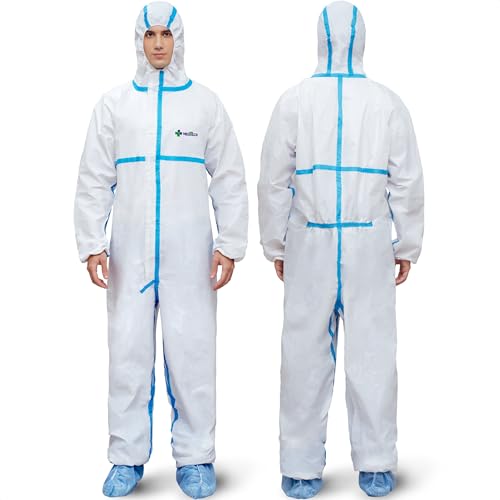
- Biohazard cleanup PPE kit, N95 suit, gloves, disposable boot covers
- HEPA vacuum cleaner for biohazard cleanup
- Enzyme-based odor eliminator cleaner (gallon)
- Odor neutralizing ozone generator for home use
- Heavy-duty biohazard waste bags (6 mil red disposal bags)


Before You Start
Assess the space for safety hazards and note any areas requiring special handling. Ventilate the home by opening windows and enabling exhaust fans. Wear appropriate PPE at all times, especially when handling contaminated materials. Plan for time, ideally spreading work over several days to reduce strain. Avoid mixing cleaning chemicals and never use ozone generators in occupied spaces; evacuate residents and pets during use.
Step-By-Step: How To Clean Out A House After A Death
- Prepare a detailed plan and a sorting zone for belongings—keep keepsakes separate from items to discard.
- Put on the full PPE kit, including N95 respirator, gloves, and disposable boot covers, before entering any affected areas.
- Remove personal items with care, creating labeled boxes for donations, keepsakes, and trash; avoid asbestos- or mold-tainted materials without professional help.
- Contain waste using heavy-duty red disposal bags; seal each bag securely and label for proper disposal through local authorities.
- Vacuum surfaces with a HEPA vacuum designed for biohazard cleanup, focusing on floors, upholstery, and crevices to capture dust and particulates.
- Clean hard surfaces with an enzyme-based odor eliminator cleaner to break down organic residues that cause lingering smells.
- Address odors more robustly by using an odor neutralizing ozone generator in unoccupied spaces; follow the manufacturer’s safety instructions and ventilation requirements.
- Perform a second round of cleaning with fresh wipes or spray, paying attention to baseboards, corners, and behind furniture where dust collects.
- Discard used PPE and cleaning materials in dedicated waste bags; seal and remove from the home according to local regulations.
- Do a final walkthrough to ensure all areas are clean, dry, and free from strong odors; document any remaining concerns for professional assessment if needed.
Troubleshooting
| Symptom | Likely Cause | Fix | Prevention |
|---|---|---|---|
| Persistent odor after cleaning | Odor molecules trapped in porous materials | Apply enzyme-based cleaner again and consider ozone treatment in unoccupied space | Ventilate during and after cleaning; seal porous items for longer-term odor control |
| Dust and particulates remain on surfaces | Inadequate filtration or sweeping indoors | Use a HEPA vacuum and damp wipe surfaces | Maintain filtration and avoid dry sweeping |
| Contaminated waste bags leak | Punctured bag or improper sealing | Double-bag and secure with heavy-duty red disposal bags | Handle bags gently and avoid overfilling |
| Allergic or respiratory irritation | Insufficient PPE or lingering aerosols | Upgrade PPE and ensure proper ventilation; pause work if irritation continues | Schedule breaks and use respirators properly |
Common Mistakes
- Underestimating the amount of waste and under-sealing bags
- Using household cleaners without following safety guidelines
- Entering damp areas without proper ventilation or PPE
- Rushing the process and skipping filtration steps
Tips For Best Results
- Plan a phased approach to reduce fatigue and maintain safety.
- Keep a dedicated box for sentimental items to prevent accidental disposal.
- Clean from top to bottom to prevent re-contamination of cleaned areas.
- Label everything clearly to avoid confusion during sorting and disposal.
- Use a humidifier in dry spaces to prevent irritation and improve air quality after cleaning.
Call A Professional
Seek professional help if there is: visible mold growth, extensive bodily fluids, or structural damage; if odors persist after multiple cleaning cycles; or if local regulations require licensed biohazard cleanup specialists. If anyone in the home exhibits persistent respiratory issues, contact a medical professional and stop work until evaluated. In case of uncertainty about contamination levels, a professional assessment is advised.
FAQ
What is the first step after a death in a home?
Secure the area, gather essential belongings, and begin planning a careful cleaning approach while wearing appropriate PPE.
Which cleaning products are recommended for biohazard cleanup?
Enzyme-based odor eliminators, combined with a HEPA vacuum and protective gear, are commonly recommended for safe cleaning.
Is ozone safe for home use?
Ozone generators should be used only in unoccupied spaces and according to manufacturer instructions; ventilate before re-entering.
When should I hire a professional?
When contamination levels are high, odors persist after cleaning, or there is mold, bodily fluids, or structural damage requiring specialized equipment.
How should waste be disposed of?
Place contaminated materials in heavy-duty red disposal bags, seal securely, and follow local disposal regulations for biohazard waste.
What about belongings with sentimental value?
Sort these items early, store them separately, and decide on preservation or donation options before discarding other materials.
How long does the cleaning process typically take?
Time varies with space size and contamination level; plan for several days to weeks with breaks to prevent fatigue and ensure safety.
Buying Guide
When choosing tools and supplies for cleaning after a death, consider several factors to balance effectiveness and safety:
- Size and scope: Larger homes require more robust filtration and waste handling systems.
- Noise level: Vacuum and equipment should not disturb potential cohabitants or neighbors excessively; look for quieter options when possible.
- Energy efficiency: Choose energy-efficient vacuums and devices to reduce electricity usage over extended cleaning sessions.
- Controls and usability: Simple, intuitive controls help ensure proper use, especially under stress.
- Placement and storage: Plan where to store PPE, cleaners, and waste bags to minimize cross-contamination.
For the specific products listed, verify compatibility with the home environment and ensure clear usage instructions align with local safety regulations. If in doubt, consult a professional for a tailored plan that fits the house layout and contamination level. Would you like help mapping these tools to your exact cleaning scenario?