Maintaining a clean blush brush is essential for even color application and to prevent skin irritation. This guide outlines practical methods using commonly available tools to keep blush brushes hygienic and ready for use.
Whether you prefer a low-effort routine or a deep-clean session, the steps below cover quick weekly maintenance and thorough monthly cleaning. Following these steps helps extend brush life and preserve makeup results across applications.
Quick Answer
Best overall approach: combine a silicone cleaning mat or cleansing glove for fast, effective brushing sessions, with a bowl or ultrasonic cleaner for deep cleaning. Finish with a silicone drying rack to air-dry properly and prevent water damage to handles.
What You’ll Need
- Silicone makeup brush cleaning mat for blush brushes
- Makeup brush cleansing glove silicone dual-sided
- Electric makeup brush cleaner machine ultrasonic
- Makeup brush cleaning bowl with mesh scrubber
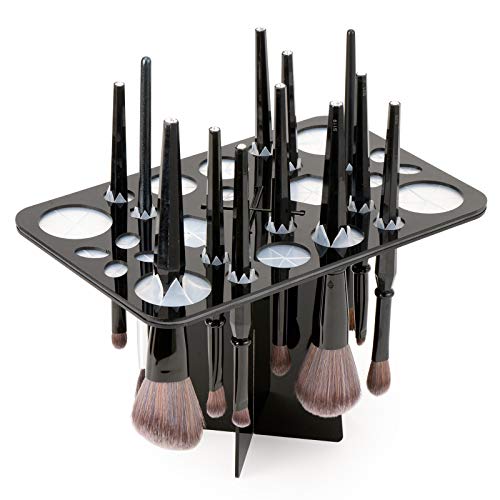
- Drying rack for makeup brushes silicone stand


Before You Start
Prepare a dedicated workspace away from direct sunlight. Use lukewarm water and a mild brush cleanser or gentle baby shampoo. Avoid hot water as it can deform brush bristles and loosen ferrules. Always lay out a clean towel or drying rack to prevent moisture from soaking into the brush handles. Plan for about 15–30 minutes for a standard cleanse and up to 60 minutes for a full deep-clean session.
Step-By-Step: How To Clean Blush Brushes
- Detach or wipe excess product from the brush bristles with a dry cloth or tissue.
- Rinse bristles under lukewarm water, keeping water away from the ferrule to prevent glue damage.
- Apply a small amount of cleanser to a silicone cleaning mat, cleansing glove, or the brush itself, creating a gentle lather.
- Gently swirl the brush in circular motions on the mat or glove until makeup and oils are lifted.
- If using an ultrasonic cleaner, place the brush head-down in a protective container and run a short cycle, following the device instructions.
- Rinse the bristles thoroughly until clear of soap, again avoiding the ferrule area.
- Squeeze out excess water by pressing the bristles with a clean towel; reshape the brush head.
- Place brushes on a silicone drying rack or stand, lay them flat or with the bristles facing downward to prevent water from seeping into the handle.
Troubleshooting
| Symptom | Likely Cause | Fix | Prevention |
|---|---|---|---|
| Bristles splaying after drying | Water exposure near ferrule | Dry thoroughly and check ferrule adhesion | Avoid soaking handles; dry promptly |
| Scent after cleaning | Residual soap or bacteria | Ensure complete rinsing; use a antibacterial brush cleanser | Rinse until water runs clear |
| Color transfer from blush | Pigment trapped in bristles | Deep clean with ultrasonic cycle if available | Clean brushes immediately after use |
| Hard-to-clean crevices | Dense bristles or stubborn residue | Use a cleansing glove or mat for better agitation | Regular maintenance to prevent buildup |
Common Mistakes
- Using hot water or harsh solvents that damage bristles
- Forgetting to rinse until soap-free, leaving residue that irritates skin
- Drying brushes upright with bristles down, allowing water to seep into handles
- Over-soaking brushes, especially those with wooden handles or glued ferrules
Tips For Best Results
- Wash brushes weekly for daily makeup users, or monthly for infrequent users.
- Rotate brushes to ensure even cleaning and reduce wear on any single brush.
- Use a dedicated drying rack to maintain brush shape and prevent mildew.
- Label brush sets to simplify routine cleaning and storage.
- Store brushes upright in a breathable container to prevent moisture buildup.
Call A Professional
Consider professional cleaning if brushes have stubborn pigment buildup, damaged bristles, or if you notice mold growth. Seek expert care if bristles shed excessively, the ferrule loosens, or you cannot restore brush shape after cleaning.
FAQ
How often should I clean my blush brushes?
For daily makeup usage, clean weekly. If you use them less often, a biweekly cleaning can be sufficient.
Can I clean brushes with just water?
Water alone cleans poorly; use a mild cleanser to break down oils and pigment.
Is an ultrasonic cleaner necessary?
Not necessary for everyone, but it provides a deeper clean and can save time on large brush kits.
What’s the best way to dry brushes?
Use a silicone drying rack or lay bristles down to prevent water from entering the ferrule.
Can I clean silicone brushes the same way?
Yes, but silicone bristles are less porous; use gentler scrubbing and rinse thoroughly.
Buying Guide
When selecting tools to clean blush brushes, consider size, efficiency, and care requirements. A silicone cleaning mat or cleansing glove can dramatically speed up routine cleaning and improve effectiveness, especially for densely packed brushes. An ultrasonic cleaner offers deeper cleansing, but at a higher cost and with more maintenance. For drying, a silicone stand or rack keeps bristles in shape and minimizes moisture exposure. Look for tools that accommodate a range of brush sizes, are easy to sanitize, and store compactly in a makeup area.
Buying Factors To Consider
- Size and compatibility: Ensure the mat, glove, or bowl fits your blush brush sizes and the rest of your collection.
- Noise level: Ultrasonic cleaners vary in noise; opt for quieter models if the bathroom or bedroom is near living spaces.
- Energy efficiency: Manual or low-watt devices save energy for frequent cleaning.
- Controls: Simple on/off and cycle duration controls are user-friendly for quick sessions.
- Placement: Choose tools that fit your vanity layout and allow easy drainage and drying.