Perforated leather car seats add luxury and breathability to your vehicle’s interior, but cleaning them requires care to preserve the material and their distinctive texture. This guide provides practical, step-by-step instructions suitable for American households, using commonly available products and tools designed for perforated leather surfaces.
By following the methods below, drivers can maintain the look, scent, and longevity of perforated seats without compromising comfort or performance.
Quick Answer
Overview: Use a cleaner specifically designed for perforated leather, followed by a conditioner to keep the pores supple. For tough grime, a steam cleaner or a narrow vacuum attachment can help. Always test in an inconspicuous area first and avoid over-wetting the leather.
What You’ll Need
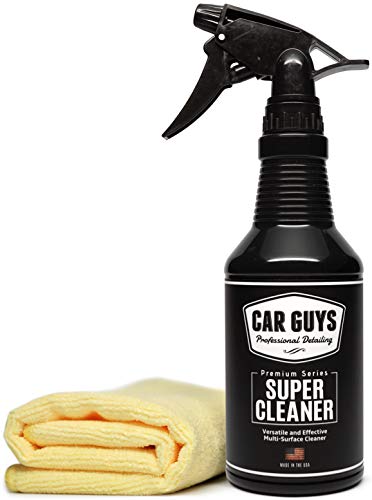
- Perforated leather car seat cleaner kit
- Car seat perforated leather cleaning spray conditioner
- Vacuum cleaner narrow crevice tool for car seats perforated
- Leather conditioner for perforated car seats
- Steam cleaner for perforated leather car seats


Before You Start
Prepare a clean, well-lit workspace inside the vehicle. Park in a shaded area and remove loose debris with a vacuum. Avoid soaking the leather—perforated seats can trap excess moisture that promotes mold and discoloration. Always follow product label instructions and perform a patch test on an inconspicuous corner of the seat.
Estimated time: 20–40 minutes for a full cleaning and conditioning session, depending on seat condition and vehicle size.
Step-By-Step: How To Clean Perforated Car Seats
- Vacuum the seats thoroughly with a vacuum cleaner narrow crevice tool for car seats perforated to remove loose dirt from the perforations and seams.
- Inspect the perforations for any blockages; use a soft brush to gently loosen debris without scratching the surface.
- Apply a small amount of perforated leather car seat cleaner kit to a microfiber cloth or applicator sponge. Avoid direct spray onto perforations to prevent seepage into foam backing.
- Gently wipe in a circular motion, focusing on the center of each perforation to lift oils and dirt without over-wetting the needle holes.
- For stubborn spots, use a light mist of car seat perforated leather cleaning spray conditioner and let it dwell for 1–2 minutes before wiping away.
- Lightly buff the surface with a clean microfiber cloth to remove residue and restore a uniform sheen across the perforated pattern.
- Optionally, use a steam cleaner for perforated leather car seats at a low setting to sanitize and loosen embedded grime. Maintain a small distance and never hold heat in one spot.
- Apply a thin layer of leather conditioner for perforated car seats to replenish suppleness. Work the conditioner into the perforations using a soft brush or cloth, then wipe off any excess.
- Allow the seats to air dry fully before sitting. If needed, run the car’s ventilation to help dry the interior evenly.
- Repeat the process seasonally or as needed to maintain appearance and protect the leather’s pore structure.
- For ongoing protection, reapply conditioner every few months and consider a light cleaning cadence between major detailing sessions.
Troubleshooting
| Symptom | Likely Cause | Fix | Prevention |
|---|---|---|---|
| Sticky residue after cleaning | Overuse of cleaner or residue buildup | Wipe with a clean microfiber cloth and repeat with minimal product | Use exact recommended amounts and perform another light wipe after cleaning |
| Discoloration or darkening | Excess moisture or improper conditioner | Dry thoroughly; limit moisture; switch to a conditioner suited for perforated leather | Test product on a hidden area first |
| Stiff feeling after conditioning | Over-conditioning or using thick products | Remove excess with a dry cloth and allow to settle | Apply sparingly and evenly |
| Leather cracking | Old, worn leather or heat exposure | Consult a professional for deeper restoration | Limit heat exposure and perform regular conditioning |
| Perforations clogged with cleaner | Excess product entering pores | Use a narrow-vac attachment or brush to clean perforations | Apply products carefully to avoid pore saturation |
Common Mistakes
- Using all-purpose cleaners not formulated for leather, which can dry or stain the surface
- Over-spraying cleaners directly into perforations
- Skipping a patch test before full application
- Using high heat to dry seats quickly, which can damage leather
- Neglecting regular conditioning, leading to stiffness and cracks
Tips For Best Results
- Always test cleaners on a hidden area first to ensure colorfastness
- Work in small sections to prevent over-wetting and ensure uniform cleaning
- Use a dedicated steam cleaner on low heat and from a safe distance
- Choose a conditioner specifically labeled for perforated leather and follow the manufacturer’s directions
- Regular maintenance reduces the need for aggressive cleaning and extends leather life
Call A Professional
Seek professional help if the seats show significant cracking, deep staining that won’t lift with standard cleaners, or if the perforations start to separate from the leather. Also consult a pro if there is musty odor that persists after cleaning, or if the vehicle’s interior requires more extensive restoration beyond routine care.
FAQ
Can I use regular leather conditioner on perforated seats?
Yes, but choose a conditioner labeled for perforated leather and apply sparingly to avoid clogging perforations.
Is steam cleaning safe for perforated leather?
Steam can be effective for sanitizing, but use low heat and keep the nozzle moving to prevent moisture buildup and heat damage.
How often should perforated leather seats be cleaned?
Clean every 2–3 months with light maintenance; deeper cleaning as needed based on usage and spills.
What should I test before applying a product?
Test on an inconspicuous area for colorfastness and surface reaction before full application.
Do I need to remove seat cushions during cleaning?
Not necessary for most vehicles, but remove removable cushions if accessible and clean underneath to prevent hidden grime.
Buying Guide
When choosing products for perforated car seats, consider size, compatibility with perforation patterns, and the balance between cleaning strength and leather safety. Key buying factors include:
- <bSize and coverage: Look for kits that cover full seats and include applicators designed for perforations.
- <bNoise and ease of use: Some cleaners come with spray nozzles or foams that reduce noise and overspray, aiding precise application.
- <bEnergy efficiency: Manual cleaning tools with low-power features reduce energy use and improve control.
- <bControls and packaging: Clear labeling and surface-friendly formulas simplify use and minimize mistakes.
- <bPlacement and storage: Compact kits fit in the trunk or garage; consider products that stand up well in storage without leaks.
In practice, a balanced kit may include a perforated leather cleaner, a dedicated leather conditioner, a steam option for occasional deep cleaning, and a narrow crevice vacuum tool to reach tight perforation channels. Compare products by reviewing compatibility with your vehicle’s leather type and per-seat patterns. For best results, follow the included instructions and use the recommended tools together as a system.