Overflow holes in sinks help prevent water from spilling onto countertops, but they can quickly clog with soap scum, hair, and mineral deposits. This guide provides practical, step-by-step methods using common tools to restore proper drainage and prevent future buildup.
Whether you’re a DIY homeowner or just want a quick fix, the approach below covers straightforward techniques that work on most bathroom sinks. The goal is a clean, free-flowing overflow channel without damaging the finish or plumbing.
Quick Answer
Best first approach: start with a flexible cleaning brush or toothbrush-style tool, then use a manual drain snake or telescoping auger for stubborn clogs. Finish with flushing hot water and, if needed, a mild cleaning solution to remove soap scum from the overflow opening.
What You’ll Need
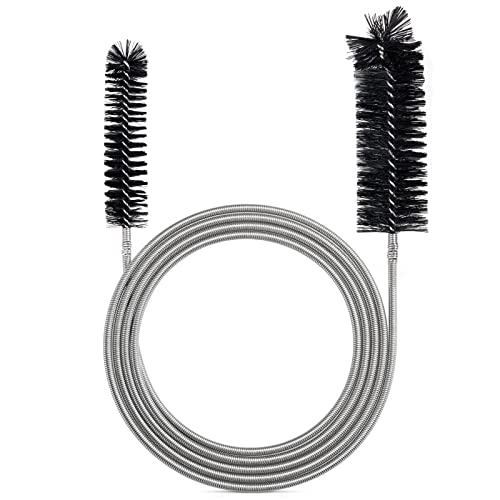
- Bathroom sink overflow cleaning brush
- Manual drain snake for bathroom sink
- Telescoping drain auger for sink clog
- Sink overflow drain cleaning tool set
- Toothbrush-style cleaning tool for sink overflow
- Non-abrasive scrubbing pad
- Dish soap or mild cleaner
- Drain pan or towel to catch residue


Before You Start
Before attempting cleaning, ensure the sink is dry and free of standing water. Clear the area beneath the sink to access the P-trap if needed. Wear gloves and avoid harsh chemicals that can damage finishes or plumbing. Plan for a short cleanup session, typically 15–30 minutes, depending on clog severity. If you notice a strong sewer odor, persistent standing water, or gurgling after cleaning, reassess and consider professional help.
Step-By-Step: How To Clean Overflow Hole In Sink
- Remove surface debris: Use the bathroom sink overflow cleaning brush or toothbrush-style tool to dislodge hair and soap scum from around the overflow opening.
- flush the overflow: Run warm water into the sink while gently agitating the overflow hole with the cleaning brush to loosen buildup.
- Access the drain area: If the overflow remains clogged, insert the manual drain snake for bathroom sink into the overflow drain or the main drain opening and rotate to catch and break up debris.
- Work through the overflow path: Slowly feed the snake into the overflow channel, pulling back to grab hair and soap deposits. Avoid forcing the tool to prevent damage.
- Target the main drain: If resistance is felt, continue to the main drain with the telescoping drain auger for sink clog to reach deeper blockages, working in short, controlled motions.
- Clean and rinse: Once the blockage loosens, pull the tool free and rinse with hot water. Use the non-abrasive pad and mild cleaner to wipe the overflow opening and surrounding area.
- Final flush: After debris removal, run very hot water through the overflow and main drain for 1–2 minutes to ensure a clear path.
- Verify drainage: Fill the sink slightly and observe water flow through the overflow and drain to confirm clearance.
Troubleshooting
| Symptom | Likely Cause | Fix | Prevention |
|---|---|---|---|
| Water drains slowly from overflow | Soap scum buildup | Clean overflow with brush; run hot water | Regular light cleaning |
| Overflow hole is blocked and won’t budge | Hair wedged deep in trap | Use drain snake or telescoping auger | Use drain screens to catch hair |
| Gurgling sounds after cleaning | Partial blockage in main drain | Extend snake into main drain and clear | Avoid flushing large debris |
| Smell persists after cleaning | Sewer gas in clogged line | Clean thoroughly and flush with hot water | Periodic maintenance |
Common Mistakes To Avoid
- Using metal tools that scratch the overflow or sink finish
- Forcing the drain snake when resistance is strong
- Relying on chemical drain cleaners for overflow blocks
- Neglecting to flush the system after cleaning
Instead, stick to flexible brushes and manually controlled augers for safer, effective clearing.
Tips For Best Results
- Clean regularly: a quick weekly wipe of the overflow keeps buildup down between deeper cleanings.
- Use a drain screen: prevent debris from entering the overflow and drain.
- Sequence matters: start with brushing, then light snaking, and finish with a hot water flush.
- Maintain hot water routine: hot water helps dissolve soaps and minerals that contribute to clogs.
Call A Professional
Contact a plumber if the overflow remains blocked after repeated attempts, or if you notice persistent leaks, water backup into other fixtures, or unusual odors. Signs to stop DIY attempts include hard-to-reach clogs, damaged pipes, or any fear of causing plumbing damage.
FAQ
Can I use chemical drain cleaners on an overflow hole?
It is not recommended. Chemicals can damage finishes and pipes, and may not reach the overflow block effectively.
What tools work best for bathroom sink overflow clogs?
Flexible brushes, a manual drain snake, and a telescoping drain auger are effective for most overflow issues.
How often should I clean the sink overflow?
Light cleaning every 1–2 weeks and deeper clears every 1–3 months help maintain flow.
Why does water back up into the overflow after cleaning?
This may indicate a deeper clog in the main drain or a shared line; professional assessment is advised.
Buying Guide
Choosing the right tools for cleaning a sink overflow depends on frequency of use, drain design, and personal preference. Consider the following factors to make an informed selection.
Size and reach: Narrow, flexible tools work best for tight overflow channels, while longer telescoping models reach deeper clogs. If you handle multiple bathroom sinks, a compact set offers versatility without clutter.
Material and durability: Stainless steel coils resist corrosion; plastic handles keep weights light. Look for rust-resistant components that can withstand repeated use.
Ease of use: A set with a comfortable grip and clear instructions helps maintain consistent technique, especially for beginners.
Noise and mess: Some augers and brushes generate minimal noise and contain debris well; choose tools with splash guards or protective casings if cleanliness is a priority.
Maintenance: Rinse tools after use, dry thoroughly, and store in a dry area. A cleaning kit with multiple brush heads and a few different auger sizes is useful for varying situations.
Placement considerations: Tools that store vertically in a narrow cabinet save space. A compact case helps keep bits organized and ready for quick use.
Cost vs. value: A mid-range set often balances durability and price, providing essential tools without excess.
In everyday scenarios, a combination of the dedicated overflow cleaning brush, a manual drain snake, and a telescoping drain auger typically handles the majority of clogs without professional help.