Bean boots are a classic American staple, known for their comfort and durability. Regular cleaning and proper maintenance help extend their life, preserve the leather, and keep them looking their best. This guide walks through effective methods that work for most Bean boots, with careful steps and practical tips for different materials.
Quick Answer
For most Bean boots, start with a dry brush to remove loose dirt, use a specialized boot cleaning kit for leather, and finish with a waterproofing spray. For suede or nubuck areas, opt for a nubuck suede boot cleaning brush and a gentle cleaner designed for these delicate surfaces. Always allow boots to dry away from direct heat and recondition with a leather conditioner once fully dry.
What You’ll Need
Use these tools and products to clean and protect Bean boots effectively. The list draws on common boot care essentials and the specified product keywords.
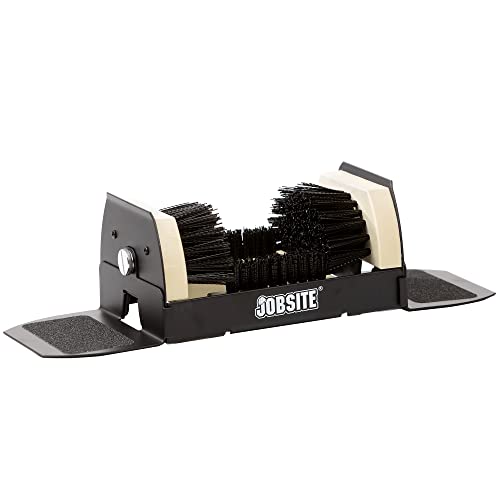
- Bean boots cleaning brush for removing surface dirt
- Leather boot cleaning kit brush kit including a soft brush and cloth
- Nubuck suede boot cleaning brush or a dedicated nubuck brush for treated suede areas
- Waterproofing spray for leather boots to seal and protect after cleaning
- Boot care kit leather conditioner cleaner for cleaning and conditioning leather


Before You Start
Before cleaning, inspect the boots for damage, loose stitching, or delicate areas. Work in a well-ventilated area and use lukewarm water when rinsing. Avoid soaking leather, which can cause stiffness or cracks. If boots are heavily soiled, plan extra time for targeted spot cleaning and drying. Critical cautions include never drying near direct heat and avoiding harsh chemicals that can strip leather oils.
Step-By-Step: How To Clean Bean Boots
- Remove loose dirt with a Bean boots cleaning brush or a soft-bristle brush. Brush in one direction to lift dirt from the surface.
- Wipe the boots with a damp cloth to remove remaining dust, especially in seams and crevices. Do not saturate the leather.
- For leather sections, apply a boot care kit leather conditioner cleaner according to the product instructions and wipe clean with a soft cloth.
- If you encounter scuffs on the leather, gently rub with a microfiber cloth after applying cleaner to restore the surface.
- For nubuck or suede panels, use a nubuck suede boot cleaning brush and suede-safe cleaner; brush in one direction to avoid creating marks.
- Rinse any soap residue with a lightly damp cloth, then allow the boots to air dry away from direct heat sources. Pat surfaces dry to speed up drying.
- Once dry, recondition leather with a boot care kit leather conditioner cleaner to restore moisture and suppleness.
- Finish with waterproofing spray for leather boots to seal the surface. Apply in a well-ventilated area and follow product directions for curing time.
- Re-inspect seams and soles after drying. If needed, repeat light cleaning or touch up with a soft brush for persistent dirt in crevices.
- Store boots in a cool, dry area with toe caps shaped or stuffed to maintain form while not in use.
- For color-treated or specialty finishes, consult manufacturer care guidelines before applying cleaners or conditioners.
- Keep a routine: clean after exposure to dirt or salt, and reapply waterproofing every few months, especially before wet seasons.
Troubleshooting
| Symptom | Likely Cause | Fix | Prevention |
|---|---|---|---|
| Leather feels sticky after cleaning | Residual cleaner or uneven drying | Wipe with a clean cloth and allow to dry completely; reapply conditioner | Use minimal cleaner and ensure thorough rinsing |
| White haze on leather | Water exposure and mineral deposits | Wipe with a damp cloth, dry, and apply conditioner evenly | Dry boots away from heat and use a mild cleaner |
| Suede panels look dull | Incorrect cleaning tool or moisture | Switch to nubuck brush and light cleaner; brush gently | Avoid soaking suede; dry naturally |
| Water stops beading after spray | Spray incomplete or absorbed | Reapply waterproofing spray in a well-ventilated area | Clean and fully dry boots before spraying |
| Stiff leather after drying | Excess conditioner or over-wetting | Buff with a soft cloth and allow longer air-drying | Apply conditioner sparingly |
Common Mistakes
- Using hot water or heat to dry boots, which can crack leather
- Over-wetting suede or nubuck areas, causing texture changes
- Neglecting to condition leather after cleaning, leading to dryness
- Skipping waterproofing after deep cleaning, reducing protection
- Using household cleaners not designed for leather or suede
Tips For Best Results
- Test cleaners on a small inconspicuous area first, especially on color-treated leather
- Brush in only one direction on suede to preserve nap and texture
- Work in a shaded area to prevent rapid drying and water spot formation
- Regular maintenance reduces the need for deep cleaning intervals
- Label and store care products to keep them fresh and effective
Call A Professional
Seek professional help if boots have deep cracking, significant water damage, or structural issues like detached soles. Stop cleaning attempts if leather staining worsens or if stitching is loosening, as these may require expert repairs or relacing services.
FAQ
What is the best kit to clean leather Bean boots?
A dedicated Leather boot cleaning kit with a soft brush and conditioning components is effective for regular care.
Can I use household soaps on leather Bean boots?
Household detergents can strip natural oils; use products designed for leather care to protect the material.
How often should I apply waterproofing spray?
Apply after deep cleaning or every few months, especially before wet seasons and exposure to salt.
Is it safe to clean suede areas with water?
Water can damage suede; use a nubuck-safe cleaner and a suede brush for best results.
Should I dry boots near a heater?
No. Allow air drying in a well-ventilated area away from direct heat to prevent cracking.
Do I need to recondition after every cleaning?
Yes, reconditioning helps maintain leather suppleness and prolongs boot life.
Can I machine wash Bean boots?
Machine washing is not recommended as it can deform leather and damage the sole.
What about salt stains from winter?
Rinse with a damp cloth, then follow with conditioner and waterproofing to restore finish and protection.
Buying Guide
Choosing the right care approach for Bean boots involves understanding size, materials, and finish. Consider how often you wear the boots and the typical environments you encounter. For leather portions, ensure you have a suitable boot care kit leather conditioner cleaner and a compatible waterproofing spray for leather boots. If your boots include nubuck or suede accents, include a nubuck suede boot cleaning brush and a suede-friendly cleaner. Evaluate the size and weight of a cleaning kit; a compact set is convenient for travel, while a broader kit may offer more specialized brushes for stubborn dirt. Noise level and power of any electric cleaners should be low to minimize scuffing damage. Consider storage space for finished care products and whether you prefer an all-in-one kit or a modular approach with separate tools. Finally, verify that the kit includes clear instructions and compatibility with your Bean boots’ finish to avoid harming the leather.