Keeping scissors clean extends their life, ensures precise cuts, and prevents cross-contamination between materials. This guide covers practical steps for everyday sanitation and maintenance using common tools.
Quick Answer
Clean and sanitize scissors regularly after each use to prevent residue buildup. Use a simple routine: wipe, degrease, dry, and lubricate, then store properly. For tougher grime, switch to a stronger solvent followed by lubricant to restore smooth action.
What You’ll Need
- scissor cleaning brush
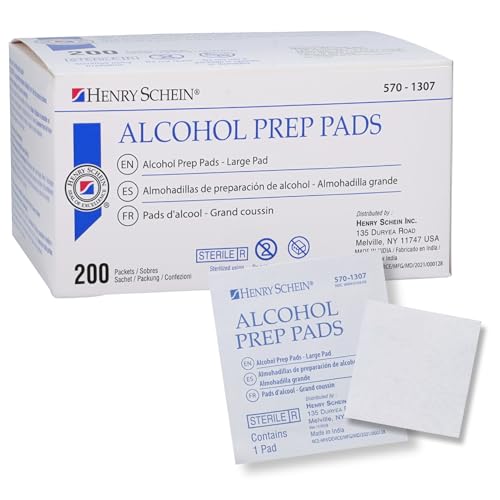
- isopropyl alcohol wipes for tools
- disinfectant spray for scissors
- scissor oil lubricant
- scissor blade cleaner solvent


Before You Start
Prepare a clean workspace and gather tools. Wear gloves if using solvents, and ensure the blades are closed to protect fingers. Work in a well-ventilated area and keep solvents away from heat sources. Time estimate: 5–15 minutes per session, depending on buildup.
Step-By-Step: Cleaning Scissors
- Inspect the scissors for visible residue, rust, or rust spots and determine the appropriate cleaning approach.
- Wipe the blades with a scissor cleaning brush to remove loose debris and stickiness.
- Apply isopropyl alcohol wipes for tools or scissor blade cleaner solvent to disinfect and dissolve oils or sap.
- For sticky residues, gently scrub with the brush dipped in solvent, keeping the pivot area dry.
- Rinse briefly with a small amount of clean water if the solvent allows, then dry thoroughly with a lint-free cloth.
- Apply a light coat of scissor oil lubricant to the pivot and blade contact points, then work the action to distribute it evenly.
- Wipe away excess oil to prevent attracting dust or threads from fabrics.
- Store in a clean, dry case or sheath to protect the blades and prevent rust.
- If discoloration or corrosion remains, repeat the cleaning steps or consider replacing compromised blades.
- Periodically schedule a deeper clean if scissors are used on viscous or reactive substances.
- For everyday office or craft use, a quick wipe-down after each session maintains performance.
- Document a maintenance log for high-use tools to ensure regular care before issues arise.
Troubleshooting
| Symptom | Likely Cause | Fix | Prevention |
|---|---|---|---|
| Blades feel stiff | Residual grime or dried lubricant build-up | Clean with solvent and re-lubricate | Wipe after use; avoid leaving substances on blades |
| Rust or staining | Moisture exposure or incompatible storage | Use rust remover if needed; re-oil | Store dry; wipe dry after cleaning |
| Wobbly pivot | Loosened screw or damaged pivot | Tighten screw; replace if material worn | Regularly check pivot tension |
| Discoloration after cleaning | Harsh solvent reaction | Switch to milder cleaner; rinse and dry | Test cleaner on a hidden area first |
Common Mistakes
- Using heavy solvents without proper ventilation
- Skipping drying after cleaning, leading to rust
- Over-lubricating around the blades, attracting dust
- Cleaning only the exterior surfaces while neglecting the pivot
Tips For Best Results
- Clean scissors promptly after cutting sticky or wet materials to prevent residue setting.
- Use a dedicated scissor cleaning brush for consistent results and to avoid cross-contamination.
- Choose a lubricant formulated for metal tools and apply sparingly to the pivot.
- Store blades in a dry, protective case to reduce corrosion risk.
Call A Professional
Contact a professional if blades are chipped, severely rusted, or if the scissors fail to align after cleaning and lubrication. Seek expert help for surgical or precision-grade scissors to avoid compromising sharpness.
FAQ
How often should I clean my scissors?
Clean after heavy use or when residue is visible; give high-use tools a quick wipe-down daily or weekly.
Can I use household cleaners on scissors?
Prefer tools-specific cleaners or isopropyl alcohol; avoid bleach unless specified safe for metals.
Is it necessary to oil the blades?
Yes, lightly oil the pivot and contact surfaces to preserve smooth action and prevent rust.
What if my scissors still stick after cleaning?
Re-examine for hidden debris, realign the pivot, or replace blades if movement remains impeded.
Buying Guide
When selecting cleaning supplies for scissors, consider size and type of blades, frequency of use, and storage conditions. Key buying factors include:
- <bSize and weight: Choose tools that balance comfortably in hand and suit your typical cutting tasks.
- <bCleaning brush quality: A stiff, durable brush helps remove grime without scratching blades.
- <bDisinfectant compatibility: Ensure wipes or sprays are safe for metal tools and won’t corrode blades.
- <bLubricant properties: Look for light oils designed for precision tools to avoid residue buildup.
- <bSolvent strength: Use appropriate cleaners for sticky residues; avoid overly aggressive solvents on delicate blades.
- <bStorage solutions: Consider a blade cover or case to protect sharp edges between uses.
Would you like a quick checklist to determine your perfect set of maintenance tools based on your typical projects?