Fellow kettles are prized for design and performance, but mineral buildup and stains can affect taste and heating efficiency. This guide provides practical, appliance-friendly steps to keep a Fellow kettle looking and performing its best without damaging finishes or warranties.
Quick Answer
Use a gentle descaling method with a citric acid or kettle descaler designed for electric kettles. Avoid harsh abrasives on stainless steel finishes. Rinse thoroughly between steps and dry with a soft microfiber cloth to prevent water spots.
What You’ll Need
- Fellow kettle descaler or citric acid descaler for electric kettle
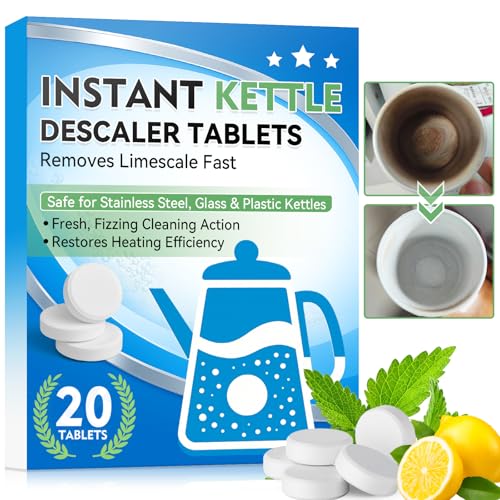
- Kettle descaler tablets stainless steel (if using tablet format)
- Electric kettle cleaning brush set
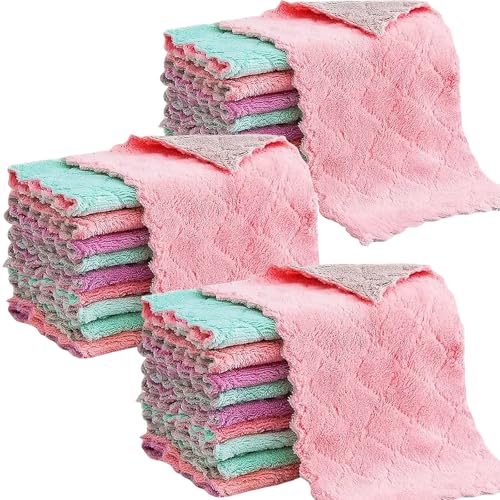
- Soft microfiber cleaning cloth for kettle
- Water (distilled is optional for mineral control)
Before You Start
Review the kettle’s user manual for any manufacturer restrictions on descaling. Unplug the kettle and let it cool completely before cleaning. Use non-abrasive tools to avoid scratching the stainless steel or matte coatings. Prepare a well-ventilated area and have towels handy to catch spills. Estimating cleaning time: 20–40 minutes depending on buildup.
Step-By-Step: How To Clean A Fellow Kettle
- Unplug and empty the kettle. Wipe the exterior with a damp microfiber cloth to remove loose dust.
- Prepare a descaling solution. If using citric acid, dissolve 1–2 tablespoons in hot water. For descaler tablets, follow package directions to create a solution in the kettle.
- Fill the kettle with the descaling solution up to the max line. Do not immerse the base or cord.
- Boil the solution briefly, then turn off the kettle and let it sit for 15–20 minutes to break down mineral deposits.
- Gently scrub the interior with the electric kettle cleaning brush set or a soft sponge. Focus on areas with visible scale, using light, circular motions.
- Pour out the solution into a sink. Rinse the kettle thoroughly with fresh water at least twice to remove any residue.
- Boil clean water in the kettle and discard it. Repeat once or twice to ensure complete rinsing and to remove any lingering taste or odor.
- Wipe the exterior again with a microfiber cloth. Dry thoroughly to prevent water spots on the finish.
- Inspect the interior for remaining scale. If stubborn deposits persist, repeat the descaling process in a shorter cycle (5–10 minutes) and rinse again.
- Replace any removable parts as needed and store the kettle in a dry, clean area.
- Optional: run a final cycle with distilled water to minimize future mineral buildup.
Troubleshooting
| Symptom | Likely Cause | Fix | Prevention |
|---|---|---|---|
| Kettle has a strong mineral odor after cleaning | Residual descaler or minerals | Run 2–3 cycles with clean water, discard water between cycles | Regular light descaling every 1–3 months depending on water hardness |
| Streaks or spots on exterior | Water droplets and mineral residue | Wipe with microfiber, dry with a clean cloth | Dry immediately after use |
| Interior shows heavy scale after cleaning | Scale buildup in hard water areas | Repeat descaling with higher concentration or longer contact time | Use citric acid solution regularly to prevent buildup |
| Kettle does not heat or turns off early | Electrical or contact issues, not from descaling | Consult warranty or professional service if troubleshooting fails | Avoid hitting or dropping; ensure proper seating on base |
Common Mistakes
- Using abrasive pads or cleaners on the kettle’s surface
- Overfilling with descaling solution beyond the max line
- Rinsing inadequately, leaving a chemical taste
- Skipping a final boil cycle after descaling
Choosing the right tools helps
Tips For Best Results
- Opt for a citric acid descaler a mild, food-safe option for regular maintenance.
- Hard water areas benefit from more frequent descaling; consider a monthly quick rinse with a gentle solution.
- Use a dedicated kettle cleaning brush set to reach corners without scratching.
- Pair cleaning with a soft microfiber cloth to preserve luster on stainless steel.
- Store the kettle with an open lid after cleaning to allow complete drying and prevent mold.
Call A Professional
Consult a professional if the kettle shows signs of electrical damage, persistent malfunction after cleaning, or if mineral buildup appears to affect heating performance despite descaling. Stop using the device and contact support if there is unusual heat, burning smell, sparking, or leakage.
FAQ
How often should I descale a Fellow kettle?
Descale every 1–3 months depending on water hardness and usage. Light maintenance can be done monthly to prevent heavy buildup.
Can I use vinegar to descale a Fellow kettle?
Vinegar is not recommended for most kettles due to odor and potential coating damage. Use citric acid or a manufacturer-approved descaler.
Is it safe to use a cleaning brush inside the kettle?
Yes, as long as the brush is soft and non-abrasive. Avoid metal brushes that could scratch the interior.
Should I rinse between descaling cycles?
Yes. Thorough rinsing with fresh water between cycles removes chemical residue and mineral particles.
What if the descaler leaves a taste?
Run several cycles with clean water until the taste is gone, then dry and store the kettle fully.
Are descalers interchangeable with different Fellow models?
Most descalers are compatible with electric kettles, but always check the product guidelines for your exact Fellow model.
Buying Guide
When selecting descaling products and cleaning accessories for a Fellow kettle, consider size, ease of use, and maintenance needs. A compact kit with a citric acid descaler and a soft cleaning brush set suits occasional maintenance and travel-friendly use. For households with hard water, a larger supply of descaler tablets and a dedicated microfiber cloth improves efficiency. Look for descalers labeled safe for stainless steel and food-contact surfaces to ensure material compatibility. Also evaluate whether the kit includes a nozzle-friendly brush for hard-to-reach areas and a drying cloth to prevent water spots after cleaning. Finally, verify compatibility with your kettle’s model and follow the manufacturer’s cleaning guidelines to preserve warranty protections. Would a simple routine fit your daily schedule, or do you prefer a more thorough quarterly clean? A well-chosen kit makes routine upkeep quick and keeps your Fellow kettle performing at its best.