Maintaining a car’s fabric interior not only improves aesthetics but also helps preserve resale value and air quality. This guide outlines practical steps, recommended tools, and smart tips for effectively cleaning seats, carpets, and headliners using commonly available car care products.
Quick Answer
Use a fabric-safe spray cleaner, a dedicated upholstery brush, and a portable steam option for stubborn spots. Work in small sections, blot spills immediately, and allow fabrics to dry completely before use.
What You’ll Need
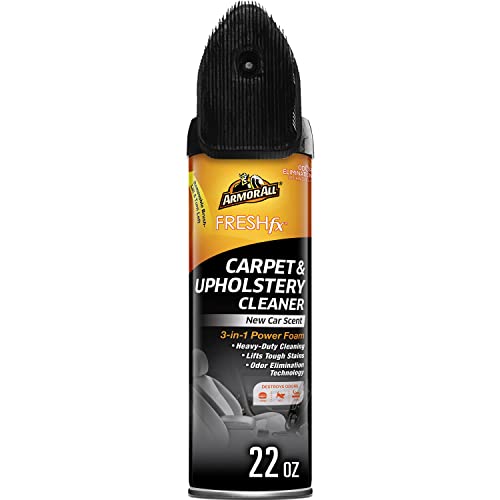
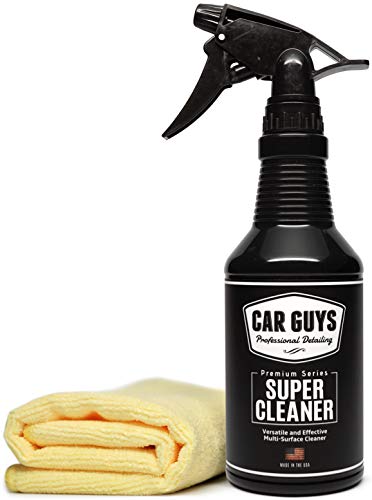
- Car interior fabric cleaner spray
- Car upholstery cleaning brush set
- Portable steam cleaner for cars
- Car seat upholstery stain remover kit
- Handheld car carpet extractor

Before You Start
Prepare the vehicle and workspace: move seats if possible, open doors for airflow, and remove loose debris with a vacuum. Test any cleaner on a hidden area to ensure colorfastness. Avoid over-wetting fabrics, which can lead to mildew and odor. Expect a typical cleaning session to take 30–90 minutes depending on areas covered and stain severity.
Step-By-Step: How To Clean Car Interior Fabric
- Vacuum thoroughly to remove loose dirt, hair, and crumbs from seats, carpets, and mats.
- Pre-treat stains with a car seat upholstery stain remover kit following the product’s instructions.
- Apply a fabric-safe car interior fabric cleaner spray to a small section at a time, keeping the nozzle at a comfortable distance to avoid oversaturation.
- Use the car upholstery cleaning brush set to agitate fibers in soft, circular motions; target nap directions to lift embedded dirt.
- Spot-clean stubborn areas with a handheld steam cleaner for gentle heat and moisture that lift stains without soaking the fabric.
- For heavily soiled carpets, work cleaner into carpet fibers and use the handheld car carpet extractor to suction dirty moisture away.
- Wipe down hard surfaces and headliners with a damp microfiber cloth and mild cleaner, avoiding excessive moisture to protect adhesives.
- Allow fabrics to air-dry completely, preferably with windows open or the car parked in shade to speed evaporation and prevent mildew.
- Check for remaining stains; repeat targeted cleaning only on affected areas to avoid over-wetting and fiber damage.
- Vacuum again once dry to lift fibers and restore the fabric’s texture.
- Replace or wash floor mats separately, following manufacturer instructions for cleaning and drying times.
- Reassess interior cleanliness after drying; consider applying a fabric-protective spray if recommended for your upholstery.
Troubleshooting
| Symptom | Likely Cause | Fix | Prevention |
|---|---|---|---|
| Stubborn stain remains after cleaning | Deep-set or oil-based stain | Re-apply stain remover; let sit longer; repeat with gentle agitation | Treat stains early; blot spills promptly |
| Fabrics feel stiff after cleaning | Excessive cleaner or over-wetting | Rinse lightly with clean water and blot; allow thorough drying | Use minimal moisture; test in small area first |
| Moist odor persists | Moisture trapped in padding | Increase airflow; use a dehumidifier or run A/C on cooling mode | Ventilate during and after cleaning |
| Fabric color faded | Harsh cleaner or strong sunlight during drying | Switch to milder cleaner; dry in shade | Do not apply concentrated cleaner to large areas |
| Water marks after drying | Uneven application or quick drying in direct sun | Evenly mist and slow-dry in shaded area | Keep temperature and humidity stable during drying |
Common Mistakes
- Over-wetting fabrics, which can lead to mildew and dye bleeding.
- Using household cleaners not designed for fabrics, causing discoloration.
- Ignoring hidden spots under seats or in crevices, leaving soils behind.
- Rushing drying; improper drying invites odor and mold growth.
Tips For Best Results
- Test any cleaner in an inconspicuous area before full application to confirm colorfastness.
- Work from the outside edges of a stain toward the center to avoid spreading.
- Rotate cleaning tools: brushes for agitation, microfiber cloths for blotting, and a extractor for moisture removal.
- Lightly mist the fabric rather than pouring cleaner directly onto it to control saturation.
- Regular maintenance cleans, like quick vacuuming and spot treatment, extend the life of upholstery.
Call A Professional
Seek professional help if there are pervasive odors, large dye-transfer issues, water damage, or fabric delamination. Signs to stop DIY cleaning include persistent mold smells, discoloration spreading beyond stains, or upholstery fibers fraying. For severe stains or delicate materials, a professional detailer can assess fabric compatibility and use specialized equipment.
FAQ
Can I use a steam cleaner on all car fabrics?
Steam can be effective on many fabrics, but test first and avoid high heat on delicate materials to prevent shrinkage or color loss.
How long does it take for the interior to dry?
Drying time varies by humidity, temperature, and airflow; typically 1–6 hours. Use ventilation and consider running the car with windows down until dry.
Is fabric protector necessary after cleaning?
Fabric protectors can help repel future liquids, but follow manufacturer guidance and ensure the fabric is fully dry before applying.
What should I do about strong odors after cleaning?
Air out the car thoroughly, use a deodorizing spray suitable for fabrics, and consider placing baking soda in a breathable bag overnight to absorb odors.
Buying Guide
When selecting tools for cleaning car interior fabric, consider size, efficiency, and compatibility with your upholstery. Key buying factors include:
- Size and portability: Choose compact tools that fit your vehicle’s interior and enable easy maneuvering around seats and pedals.
- Noise level: Quieter devices reduce fatigue during long cleaning sessions and won’t disturb passengers.
- Energy efficiency: Look for energy-efficient cleaners and steam units with low power consumption when possible.
- Controls and spray patterns: A versatile spray nozzle and adjustable brushes improve coverage without oversaturating.
- Placement and storage: Modular kits with compact storage cases help keep accessories organized.
- Compatibility with fabrics: Confirm that cleaners and brushes are safe for your car’s upholstery materials.
- Durability and warranty: Invest in reputable brands with clear warranties for peace of mind.
For a balanced setup, pair a dedicated upholstery cleaner spray with a sturdy brush set, add a portable steam cleaner for tough spots, and keep a carpet extractor handy for deep cleaning. Consider your vehicle’s typical dirt level, and tailor the kit to target common stains like coffee, mud, and ink. Regular maintenance prevents buildup and keeps interiors looking fresh.