Luxury vinyl plank (LVP) flooring combines durability with stylish looks, but it still requires proper cleaning to maintain its shine and extend its life. This guide walks American homeowners through a practical, step-by-step approach to cleaning LVP without damaging the surface or wear layer.
By following best practices, users can keep floors looking new while avoiding common pitfalls that can dull finishes or create buildup. The methods here prioritize gentle cleaners, appropriate tools, and routine maintenance that fit real-world living environments.
Quick Answer
Best first steps: use a microfiber mop for vinyl plank flooring with a pH-neutral cleaner or a tiny amount of mild dish soap, then dry with a clean microfiber pad. For stubborn spots, a vinyl plank floor cleaner brush attachment can help, followed by thorough drying to prevent moisture damage.
What You’ll Need
The following tools and supplies cover everyday cleaning and spot treatments. The items are chosen to align with typical LVP care recommendations.
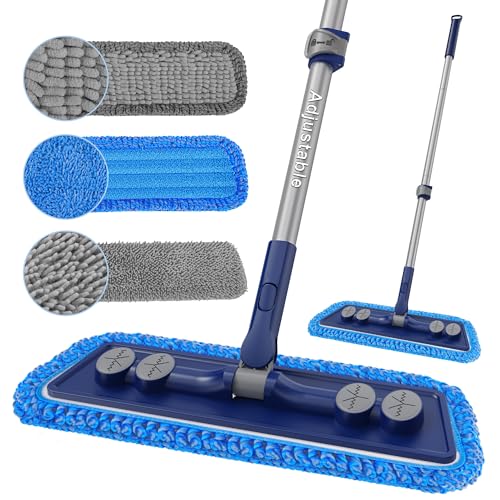
- microfiber mop for vinyl plank flooring
- steam mop for LVP flooring (use only if your manufacturer approves steam
- replacement mop pads for vinyl plank flooring
- vinyl plank floor cleaner brush attachment
- mild, pH-neutral floor cleaner or diluted dish soap
- bucket and distilled water (optional, for dilution)


Before You Start
Before beginning, clear the room of furniture and loose objects. Vacuum or sweep to remove grit that could scratch the surface. Do a spot test in a small, inconspicuous area to confirm the cleaner does not discolor or dull the finish. Avoid excess moisture and never soak seams or apply cleaners directly to the floor. Set a realistic time frame for cleaning to minimize disruption, typically 20–40 minutes for a standard room.
Step-By-Step: How To Clean LVP Flooring
- Prepare the cleaning solution: mix a small amount of pH-neutral cleaner with water following label directions, or use a mild dish soap solution if a dedicated cleaner is unavailable.
- Attach a clean replacement mop pad to the microfiber mop for vinyl plank flooring to ensure gentle, lint-free cleaning.
- Dry sweep or vacuum to remove dust and debris, paying attention to edges and corners where grit accumulates.
- Lightly dampen the microfiber mop with the cleaning solution. Wring out thoroughly to prevent excess moisture on the floor.
- Clean in a systematic pattern, moving with the grain of the planks. Avoid puddling and overly wet spots on seams.
- For stubborn spots, use a vinyl plank floor cleaner brush attachment or a soft-bristle brush. Work the spot gently, then wipe with a clean, damp microfiber pad.
- Rinse only if necessary: if using a concentrated cleaner, wipe with a damp, clean microfiber pad to remove any residue.
- Dry the floor with a dry microfiber pad or towel to ensure no moisture remains, especially in high-traffic areas or near doors.
- Inspect the floor after cleaning and replace mop pads if they appear dirty or worn to prevent future scratching.
- Store tools and leftover cleaner safely, away from children and pets, and in a cool, dry location.
- Schedule routine cleanings and spot-clean household spills promptly to minimize buildup and staining.
Troubleshooting
| Symptom | Likely Cause | Fix | Prevention |
|---|---|---|---|
| Cloudy or streaky finish | Residue from cleaner or improper rinsing | Wipe with a clean damp microfiber pad, then dry | Use a pH-neutral cleaner and don’t over-wet the floor |
| Scratches appearing | Grit trapped in pads or aggressive scrubbing | Switch to fresh mop pads and use gentle circular motions | Regularly sweep and use protective felt pads under furniture |
| Peeling or lifted edges | Excess moisture or poor installation | Ensure surface dries quickly; avoid standing water | Follow manufacturer guidance on moisture exposure |
| Discoloration after cleaning | Harsh cleaners or chlorine-containing products | Switch to a vinyl-safe cleaner and rinse if needed | Use pH-neutral products and patch-test cleaners |
Common Mistakes To Avoid
- Using steam mops on all LVP types unless approved by the manufacturer
- Over-wetting the floor during mopping or rinsing
- Using abrasive scrubbers or household bleach on vinyl plank surfaces
- Skipping a final dry pass, leaving moisture in seams
Tips For Best Results
- regularly sweep or vacuum to reduce grit that can cause micro-scratches
- choose a microfiber mop with soft, dense fibers for effective cleaning without scratching
- use a separate pad for cleaning and for drying to avoid redistributing moisture
- test any new cleaner in a hidden area before full use
- label and store cleaning tools to prevent cross-contamination with other flooring products
Call A Professional
Consider a professional if the floor shows widespread damage, extensive staining, or warping that cannot be addressed with standard cleaning. Seek help if the planks exhibit looseness, excessive moisture infiltration, or if you notice persistent discoloration after cleaning attempts.
FAQ
What kind of mop is best for LVP floors?
A microfiber mop for vinyl plank flooring is preferred for its gentle cleaning action and effective pickup of dust and grime.
Can I use vinegar to clean LVP?
Vinegar-based solutions are generally discouraged unless specified by the floor manufacturer, as they can dull shine over time.
Is steam cleaning safe for LVP?
Steam cleaning is only safe if the manufacturer explicitly allows it for your vinyl plank flooring model.
How often should I clean LVP floors?
Regular light cleaning 1–2 times per week, plus spot cleaning as needed, helps maintain appearance and longevity.
Buying Guide
When choosing products and tools for LVP care, consider several factors to ensure compatibility and best results.
Size and room coverage: For larger rooms, a longer mop head and larger pads improve efficiency. In small spaces, compact tools reduce overhead and improve maneuverability.
Noise level: Electric scrubbers and steam mops vary in noise. Look for quieter models if the space requires minimal disruption.
Energy efficiency: For steam mops and electric scrubbers, check energy usage and battery life if cordless. Longer runtimes mean fewer interruptions during cleaning.
Controls and ease of use: Simple controls, clear indicators, and easy pad changes save time and reduce mistakes during cleaning.
Placement and storage: Store cleaners away from reach of children and pets. Keep replacement mop pads accessible but organized to avoid cross-contamination.
Performance considerations: A dedicated vinyl plank floor cleaner brush attachment helps with tough spots but ensure compatibility with your cleaning system and floor finish.