Burnt-on residue on glass-ceramic or induction cooktops can be stubborn, but the right steps protect the surface while restoring a like-new shine. This guide walks American households through practical cleaning methods, safe tools, and best practices to keep your induction hob spotless without scratching.
Quick Answer
Gently remove loose debris, apply the right cleaner, and use a non-scratch pad with a scraper designed for glass-ceramic surfaces. Rinse and buff dry for a spotless finish. For stubborn spots, repeat with a warm solution and avoid abrasive metals that can gouge the surface.
What You’ll Need
- Glass-ceramic induction cooktop scraper with handle
- Non-scratch microfiber scrub pad for glass cooktop
- Ceramic glass cooktop cleaning kit with sponge and microfiber cloth
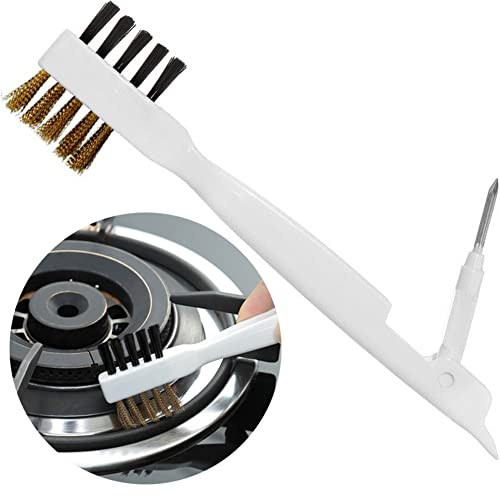
- Stovetop cleaning brush for induction hob surface
- Induction cooktop glass cleaner kit with scraper and pad


Before You Start
Before cleaning, ensure the cooktop is completely cool. Unplug the appliance if possible and remove cookware to access all burned areas. Work in a well-ventilated area and avoid cleaners with ammonia, bleach, or abrasive powders that can damage the glass-ceramic surface. For safety, wear gloves to protect your hands from any sharp edges on burnt residues, and test a small area first to confirm the cleaner won’t dull the finish. Time estimate: 15–25 minutes for light to moderate burns, 25–45 minutes for heavy buildup.
Caution: Do not use metal spatulas or abrasive steel wool. Aggressive scrubbing can scratch the glass and cause long-term damage. If the surface shows deep scratches or cracks, stop cleaning and consult a professional.
Step-By-Step: How To Clean Burnt Induction Cooktop
- Cool the surface and remove loose debris. Wipe away crumbs and loose residue with a dry microfiber cloth to prevent creating new scratches during cleaning.
- Apply a cleaner aimed at glass-ceramic surfaces. Use a cleaner from the induction cooktop glass cleaner kit or a specific cleaner designed for ceramic glass. Follow the product directions for the amount to use.
- Loosen burnt-on spots with a scraper. Hold the glass-ceramic induction cooktop scraper with handle at a shallow angle and gently glide over the residue. Do not press hard; gradual pressure lifts burnt material without scratching.
- Scrub with a non-scratch pad. Use the non-scratch microfiber scrub pad for glass cooktop or the microfiber part of your kit to lift residue in circular motions. Rinse the pad often to avoid re-depositing debris.
- Wipe and rinse the surface. Wipe with a damp sponge or microfiber cloth to remove cleaner and loosened residue. For stubborn areas, reapply a small amount of cleaner and repeat the scraper and pad steps.
- Dry and polish to a glossy finish. Use a clean, dry microfiber cloth to buff the surface until all haze is gone. A dry buff helps prevent water spots and leaves a smooth finish.
- Inspect for remaining spots. If any burnt ring remains, repeat the cleaning cycle on that spot only, ensuring the area is cool and minimal pressure is used.
- Maintain the surface with routine care. After every cooking session, wipe with a damp cloth and dry to minimize future buildup and simplify cleaning.
Troubleshooting
| Symptom | Likely Cause | Fix | Prevention |
|---|---|---|---|
| White haze after cleaning | Cleaner residue or hard water minerals | Wipe with a fresh damp cloth, then dry thoroughly | Rinse with clean water; wipe dry after each use |
| Rings or dark spots persist | Deep burnt material | Repeat cleaning cycle with scraper and pad | Clean promptly after use; avoid letting spills burn on |
| Scratched-looking area | Using metal tools or excessive pressure | Cease aggressive scrubbing; switch to softer pads | Use only recommended tools and gentle pressure |
| Streaks after drying | Water minerals or cleaners left on surface | Buff with a dry microfiber cloth | Wipe with distilled water for hard water areas |
Common Mistakes To Avoid
- Using metal blades or metal scrubbers on glass-ceramic surfaces
- Applying cleaners while the surface is still hot
- Relying on abrasive powders that scratch the finish
- Over-wetting the area, which can spread residue across the surface
Tips For Best Results
- Establish a routine: wipe after cooking to prevent heavy buildup.
- Choose cleaners labeled for ceramic glass and induction cooktops to protect the surface seal.
- Work in small sections for burnt spots; patience prevents damage and achieves better results.
- Keep a dedicated scraper and pad in reach of the kitchen to simplify future cleanups.
Call A Professional
If the induction cooktop shows deep cracks, persistent staining despite repeated cleaning, or if the surface loses its shine after several attempts, stop cleaning and contact a professional appliance technician. Significant damage might require technician assessment or replacement considerations.
FAQ
Can I use vinegar to clean a burnt induction cooktop?
Vinegar can be used sparingly as a mild cleaner, but it is not always ideal for tough burnt residues. Use cleaners designed for ceramic glass surfaces and test any new cleaner on a small area first.
Is it safe to use a glass scraper on induction glass?
Yes, when used with the proper handle and at a shallow angle, a glass scraper is safe for burnt residue on glass-ceramic surfaces.
What should I do if the surface is scratched after cleaning?
Stop using abrasive tools and consult a professional if scratches are deep or widespread.
How often should I clean my induction cooktop?
Wipe down after each use and perform a deeper clean weekly or as needed based on usage and residue buildup.
Are there heat-safe microfiber cloths for this job?
Yes, use microfiber cloths labeled for glass or ceramic cooktops to avoid lint and abrasive contact.
Buying Guide
Choosing the right tools and cleaners for an induction cooktop depends on several factors. Size matters: ensure cleaning tools fit comfortably around the hob without jostling nearby burners. Noise level is usually minimal for soft pads and sponges, but some kits include brushes that can be audible; consider preference for quiet cleaning sessions. Energy efficiency isn’t directly affected by cleaning supplies, but a clean surface heats more evenly and efficiently. Look for control and ease of use in cleaners—spray bottles or squeezable tubes, along with one-step kits, can simplify routines. Finally, consider placement: store cleaners and scrapers in a cool, dry cabinet near the kitchen workstation to encourage regular maintenance.
When comparing kit options, evaluate the included components: a dedicated scraper with handle for controlled pressure, a non-scratch scrub pad, and a microfiber cloth bundle. A single, well-rounded cleaning kit with these components typically offers the most value for keeping glass-ceramic and induction surfaces pristine without risk of damage.