Salt is a powerful flavor enhancer, but it’s easy to overshoot and end up with meals that taste overly salty. This guide explains practical, kitchen-tested methods to safely reduce saltiness and rescue a dish. Readers will learn step-by-step techniques, tools to use, and common mistakes to avoid, all tailored for American home cooks navigating everyday meals.
Quick Answer
Quick fix: add unsalted ingredients or liquids, balance with sweetness or acidity, and adjust with precise seasoning tools. Start with small adjustments and taste as you go to avoid returning to an overly salty dish.
What You’ll Need
- Digital kitchen scale for precise seasoning to measure salt and other additions
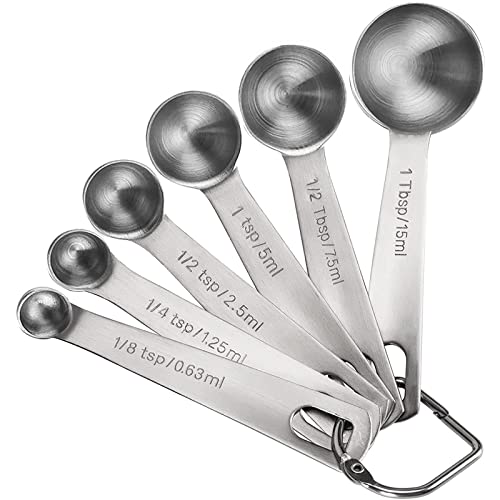
- Stainless steel measuring spoons set for accurate dosing of salt and balancing ingredients
- Adjustable pour salt shaker to control salt flow when re-seasoning
- Salt grinder with adjustable grind size to fine-tune salt texture and perceived salinity
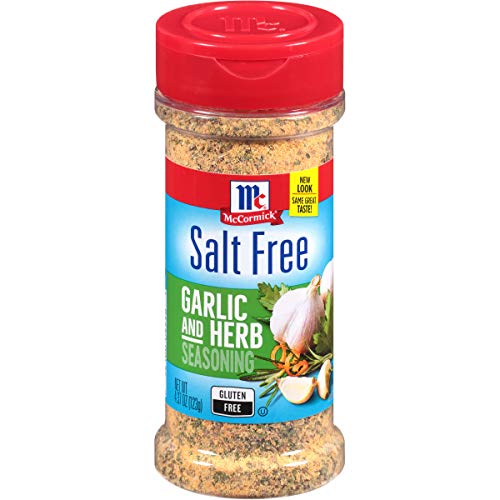
- Low-sodium seasoning starter kit to replace or complement salt with flavorful alternatives

Before You Start
Assess the dish’s base: is it a soup, sauce, or a main course? Time and temperature can influence salt perception. Prepare a clean tasting station and read labels on any broth or canned ingredients, as these often contain hidden sodium. Safety note: if a dish is extremely salty or contains raw ingredients that could be unsafe with added water, avoid risky quick fixes and start with gentle adjustments. Expect a 5–15 minute window for initial balancing, with longer refinements as needed.
Step-By-Step: How To Reduce Saltiness
- Remove the dish from heat to stop salt integration and allow flavors to settle before additional changes.
- Add low-sodium liquids or unsalted bases, such as unsalted stock or water, in small increments while whisking or stirring to evenly distribute salt.
- Incorporate a small amount of acidity to brighten flavors and counter perceived saltiness—try a splash of lemon juice or vinegar, tasting after each addition.
- Introduce a touch of sweetness if appropriate for the dish (a pinch of sugar or a mild sweetener can balance salt). Use firmly measured amounts with a digital kitchen scale to avoid overcorrecting.
- Balance texture with starchy or creamy elements (e.g., a spoonful of potato, cream, or yogurt) to dilute salt impact and add body.
- Utilize stainless steel measuring spoons set and the adjustable pour salt shaker to re-season gradually. Taste after each addition.
- If saltiness remains high, consider adding a small amount of grated potato; simmer briefly, then strain to remove starch while the saltiness is drawn out.
- As a final step, substitute or complement with a low-sodium seasoning starter kit for a more robust flavor profile without increasing salt.
Troubleshooting
| Symptom | Likely Cause | Fix | Prevention |
|---|---|---|---|
| Dish tastes extremely salty after cooking | Salt was added late or concentrated in one area | Balance with unsalted liquids and acidity; avoid more salt | Taste progressively during cooking; measure salt with scale |
| Salty aftertaste lingers | Texture or fat is insufficient to carry flavors | Add a small amount of dairy or fat and taste | Plan salt in stages; reserve fat-rich components for balance |
| Salty soup or sauce too thick | Concentration thickened salt with liquid reduction | Loosen with unsalted broth or water; whisk well | Cook with measured additions and frequent tasting |
| Dish becomes salty as it sits | Residual saline compounds continue to integrate | Restored with gentle reheating and fresh ingredients | Avoid over-reduction and reuse of overly salty components |
Common Mistakes
- Adding more salt instead of balancing with other ingredients
- Rushing to taste after a small addition; flavors require time to meld
- Relying on salt substitutes that may alter texture or color
- Using high-sodium broths or sauces without adjusting other seasonings
Tips For Best Results
- Measure salt precisely with a digital kitchen scale for consistent seasoning.
- Season in stages using a stainless steel measuring spoons set and adjustable pour salt shaker to control flow and prevent oversalting.
- Keep a low-sodium seasoning starter kit on hand to rebuild depth without extra salt.
- Taste with a representative sample of the final dish type (hot sauce, soup, or stew) because perception of salt changes with temperature.
- Remember that other ingredients like acidity, fat, and sweetness can dramatically affect salt perception.
Call A Professional
If a dish contains unsafe ingredients or if salt levels are unmanageable across multiple dishes (for dietary needs or medical restrictions), seek guidance from a nutrition professional or chef tutor. Stop precise adjustments and consult a pro when allergies, chronic health concerns, or prescription restrictions are involved.
FAQ
Can I fix an overly salty dish with water?
Yes, adding small amounts of water or unsalted stock can dilute saltiness, especially in soups and sauces.
What about adding potatoes to remove salt?
Potatoes may draw out some salt through diffusion, but this method has limited impact and is best used as a supplementary step.
How do I avoid salty dishes in the future?
Use a digital kitchen scale for precise seasoning and keep a log of how much salt is used in similar recipes.
Is a low-sodium seasoning starter kit worth it?
Yes, it provides flavor complexity without increasing sodium, helping to maintain balanced profiles in meals.
Buying Guide
Choosing the right tools and kits helps prevent oversalting and improves kitchen efficiency. Consider these factors when shopping:
- Size and capacity: A scale with easy-to-read display and a practical bowl or plate for measuring portions.
- Noise level: Scales and grinders should operate quietly to avoid disruption in busy kitchens.
- Energy efficiency: Battery life for handheld tools matters; opt for devices with low power consumption.
- Controls: Simple, intuitive controls are ideal for quick seasoning adjustments with stainless steel measuring spoons.
- Placement: Compact designs fit small kitchens; consider appliances that store neatly near the prep area.
- Compatibility: A salt grinder with adjustable grind size pairs well with a broad range of salts (sea salt, kosher salt, etc.).
- Starter kits: A low-sodium seasoning starter kit adds depth without relying on salt, especially for daily cooking.
Whether upgrading tools or building a salt-balanced kitchen, the right combination of measurement accuracy and flavor-building components makes everyday cooking simpler and safer for American homes.