Granite countertops bring beauty and durability to kitchens and bathrooms. Stains can occur from oil, wine, coffee, or other household spills, challenging the surface’s pristine look. This guide provides practical, step-by-step methods to remove common stains while protecting the stone’s seal and natural sheen.
By following proven methods and using the right tools, homeowners can restore granite without harsh chemicals or abrasive scrubbing. The sections below outline a practical approach, from quick at-a-glance steps to in-depth techniques for stubborn stains.
Quick Answer
Quick Method: Start with a non-acidic granite cleanser and a microfiber cloth. For persistent stains, apply a stone-safe poultice powder or a ready-made poultice kit, cover with plastic wrap, and let sit per product instructions before blotting and rinsing.
What You’ll Need
- Granite countertop cleaner spray non-acidic
- Granite stain remover poultice kit 2 oz
- Granite surface stain remover powder poultice kit
- Granite stone cleaner brush set scrub brush
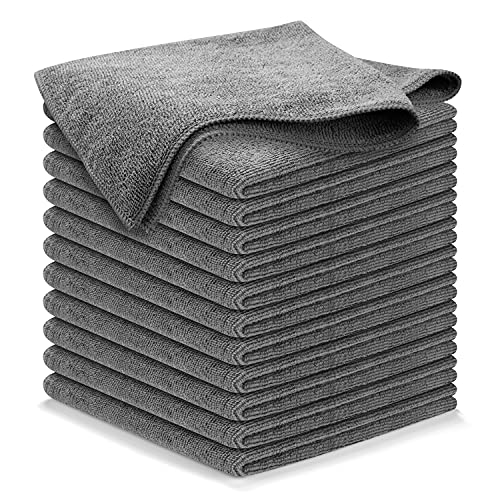
- Microfiber cloths for granite cleaning pack
- Water and mild dish soap (for initial cleaning)


Before You Start
Assess the stain type and consider your granite’s seal status. Test any cleaner in an inconspicuous area before full use. Work on a cool, dry surface to prevent moisture from seeping into seams. Clear the counter and protect adjacent surfaces from splashes. Do not use acidic cleaners like vinegar or lemon on most granites, and never use abrasive pads on polished stone.
Estimated time: 20–60 minutes for typical stains; more time may be needed for deeply embedded stains. Plan for a second treatment if the stain persists after the first pass.
Step-By-Step: How To Clean Stained Granite
- Remove loose debris with a dry microfiber cloth to prevent scratching.
- Spray a non-acidic granite countertop cleaner over the stained area and wipe with a microfiber cloth to lift surface residues.
- If the stain remains, prepare a poultice suitable for the stain type. Follow package directions for mixing and consistency (a thick peanut-butter texture is typical).
- Apply the poultice over the stain, extending beyond the visible area by about 1 inch. Cover with plastic wrap and tape the edges to seal.
- Allow the poultice to sit for the time specified on the product label (often 6–24 hours) to draw out the stain.
- Remove the plastic slowly and wipe away the poultice. Rinse the area with clean water and blot dry with a microfiber cloth.
- Rinse again with the granite cleaner to neutralize any residue, then dry thoroughly. Inspect for remaining stain and repeat if needed.
- For ongoing maintenance, clean weekly with a non-acidic spray and dry after use to prevent water spots and mineral buildup.
- Gently buff with a dry microfiber cloth to restore sheen, and reseal if you notice water no longer beads on the surface.
Troubleshooting
| Symptom | Likely Cause | Fix | Prevention |
|---|---|---|---|
| Stain reappears after poultice | Stain deeply embedded or porous area | Reapply poultice deeper and longer; consider professional assessment | Seal granite regularly; wipe spills promptly |
| Sticky residue after cleaning | Residue from cleaner or poultice | Rinse thoroughly with clean water and wipe dry | Use only recommended products for granite |
| Discoloration around edges | Sealer breakdown or mineral deposits | Rinse, then re-seal; consult pro if uncertain | Seal evenly and avoid harsh cleaners near edges |
| Water spots after cleaning | Hard water minerals | Dry with microfiber and buff to restore shine | Wipe with a damp microfiber cloth, then dry |
Common Mistakes To Avoid
- Using acidic cleaners on granite, which can etch the surface
- Scrubbing with abrasive pads that scratch the finish
- Relaxing stain treatment time without following product directions
- Skipping a test patch on an inconspicuous area
- Neglecting to reseal granite after deep cleaning or significant stains
Tips For Best Results
- Always read and follow the instructions on poultice products for best staining removal results.
- Work from the outside of the stain inward to prevent spreading.
- Keep the area well-ventilated when using poultice products that may emit odors.
- Prevent future stains by wiping spills immediately and using coasters for liquids.
- Choose non-acidic cleaners that are labeled safe for granite to preserve the stone’s seal and finish.
Call A Professional
Consider professional help if stains persist after multiple poultice applications or if the granite shows etching, dulling, or severe discoloration. Signs to seek expert advice include deep color changes, large areas of dullness, or suspected sealer failure.
FAQ
Can I use vinegar to clean granite?
No. Vinegar and other acidic cleaners can etch and dull granite finishes over time.
How often should I seal granite countertops?
Most granites benefit from resealing every 1–3 years, depending on usage and sealant type.
Will poultice kits remove all stains?
Poultices are effective for many stains, but some deeply embedded or non-porous stains may require professional treatment.
What’s the difference between poultice powder and a poultice kit?
Poultice powders are a DIY option; ready-made kits combine powders and absorbents with application instructions for convenience.
Should I test cleaners on a hidden area?
Yes. Always test on a small, inconspicuous area to ensure no color change or surface damage occurs.
Buying Guide
Choosing the right products helps keep granite looking pristine. Consider the following factors:
- Size and compatibility: Make sure poultice kits and cleaners fit the stain size and surface area you are treating.
- Non-acidic formulation: Prioritize non-acidic granite cleaners to protect the sealer and finish.
- Effective stain removal: For stubborn stains, select products designed for granite, with clear application guidelines.
- Ease of use: Look for ready-to-use kits and microfiber cloths that simplify the process.
- Seal compatibility: If your granite is not sealed or the seal is compromised, plan resealing after stain removal.
When comparing options, evaluate the stain type you typically encounter (oil-based, dye-based, mineral) and choose a poultice or cleaner that targets that category. Consider comfort with DIY steps versus hiring a pro for deep stains. With the right products and careful steps, granite surfaces can regain their original luster and remain protected for years.