Marble floors add elegance to any space, but their beauty depends on regular, careful cleaning. This guide explains a practical, step-by-step method to deep clean marble floors while protecting the stone from etching and dulling. By using pH-neutral products and appropriate tools, homeowners can restore a bright finish without damaging the surface.
Quick Answer
Deep clean marble floors in about 45–60 minutes using a gentle, pH-neutral cleaner, a soft microfiber mop, and a non-scratch brush for tougher spots. Finish with a light buff using an electric floor buffer polish to restore shine without harming the stone.
What You’ll Need
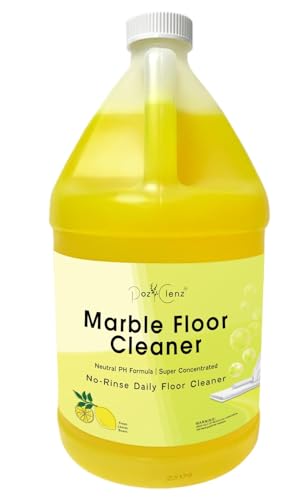
- pH neutral marble floor cleaner concentrate for safe, effective cleaning
- microfiber mop for marble floors non-abrasive to lift dirt without scratching
- stone care marble cleaning spray 32 oz for spot treatment and rinse-free touch-ups
- non-scratch scrub brush for marble tile floors for stubborn stains
- electric floor buffer polisher for marble optional for a high-gloss finish


Before You Start
Prepare the area by removing furniture and rugs. Sweep or vacuum to remove loose grit that might scratch the surface. Use only pH-neutral cleaners to avoid etching the marble. Test any new product in a small inconspicuous area first. Allow surfaces to dry completely before applying any polish or sealant. Plan for a total cleaning session of about 1 hour, including drying time.
Step-By-Step: How To Deep Clean Marble Floors
- Dust and sweep the floor to remove loose debris, paying attention to grout lines and edge areas.
- Mix a small amount of pH neutral marble floor cleaner concentrate with warm water according to label directions.
- Dip the microfiber mop for marble floors non-abrasive into the solution and wring thoroughly to avoid excess moisture.
- Gently mop the floor in sections, overlapping each pass to lift embedded dirt without saturating the surface.
- For spots, apply a small amount of stone care marble cleaning spray 32 oz and let it sit briefly before using the non-scratch scrub brush for marble tile floors.
- Rinse the area with a clean mop dampened with plain water to remove any cleaner residue, then dry with a lint-free cloth or dry mop.
- Optional: Use the electric floor buffer polisher for marble on a low setting with a dedicated polishing pad to restore shine after cleaning.
- Inspect for any remaining stains; repeat treatment on stubborn marks using a gentle brush and spray.
- Allow the floor to dry completely before walking on it or replacing furniture.
- Apply a marble-safe sealant if recommended by the cleaner’s instructions or your stone supplier, following product directions.
- Document routine maintenance steps to keep upkeep predictable and consistent.
Troubleshooting
| Symptom | Likely Cause | Fix | Prevention |
|---|---|---|---|
| Streaks after cleaning | Residue buildup | Rinse with clean water and buff dry | Use minimal cleaner and rinse thoroughly |
| Dull finish | Over-wetting or harsh cleaner | Switch to pH neutral marble floor cleaner concentrate and dry completely | Avoid vinegar or acidic cleaners |
| Scratches visible | Abrasive tools or grit | Only non-abrasive pads; ensure floor is free of grit before cleaning | Place mats at entryways |
| Stains not lifting | Deep-set or porous stain | Apply spot treatment with stone care marble cleaning spray 32 oz and brush softly | Address stains promptly |
Common Mistakes
- Using acidic cleaners (vinegar, citrus) on marble surfaces
- Soaking floors with water or cleaners; marble is porous and can absorb moisture
- Scrubbing with abrasive pads or metal brushes
- Neglecting to dry the surface after cleaning
- Skipping spot tests on a hidden area
Tips For Best Results
- Always test cleaners in a small area first to confirm stone compatibility.
- Work in well-lit areas to spot dullness or residue during cleaning.
- Use a microfiber mop and lint-free towels to prevent scratches and lint transfer.
- Maintain a regular cleaning schedule to minimize deep cleaning needs.
- Consider a periodic sealant recommended for marble floors to enhance durability.
Call A Professional
Schedule a pro if the marble shows deep staining, etched etching, or if the surface has severe discoloration that does not respond to routine cleaning. Seek a specialist when you notice chipped edges, cracking grout, or if the floor is heavily worn and needs resurfacing or expert restoration.
FAQ
Can I use hot water to clean marble floors?
Moderate warmth helps with cleaning, but avoid hot water as it can promote absorption of moisture and potential damage.
What pH level is safe for marble?
Look for cleaners labeled pH-neutral, typically around pH 7, to prevent etching.
Is sealing marble floors necessary?
Sealing protects against stains and spills. Follow manufacturer guidance and rebalance based on foot traffic and wear.
How often should I deep clean marble floors?
Deep clean every 1–3 months depending on usage; routine light cleaning can be done weekly.
Buying Guide
When choosing products for marble floors, consider size and coverage, compatibility with marble, and ease of use. Noise level and energy efficiency matter if using an electric buffer. Look for a pH neutral marble floor cleaner concentrate and a microfiber mop for marble floors non-abrasive to minimize wear. Capabilities like spray application and stain removal should align with your home’s needs. Placement concerns include easy access to corners and under furniture, plus suitability for entryways and bathrooms where moisture is common. Compare options by evaluating how each product protects the stone while delivering practical cleaning results.