Maintaining a vinyl tonneau cover helps extend its life and keep the truck bed looking sharp. With the right supplies and a simple routine, owners can remove dirt, stains, and grime without damaging the material. This guide provides a practical, step-by-step approach using common car-care tools.
Quick Answer
Use a mild vinyl cleaner, a soft brush or microfiber wash mitt, and a microfiber towel to wash, rinse, and dry the tonneau cover. For stubborn spots, apply a gentle cleaner, scrub lightly, then rinse thoroughly. Repeat as needed and apply a protectant to guard against UV damage.
What You’ll Need
- tonneau cover vinyl cleaner
- microfiber wash mitt for vinyl tonneau
- soft detailing brush for vinyl surfaces
- adjustable spray bottle for cleaning solution
- microfiber towel set for truck bed cover cleaning
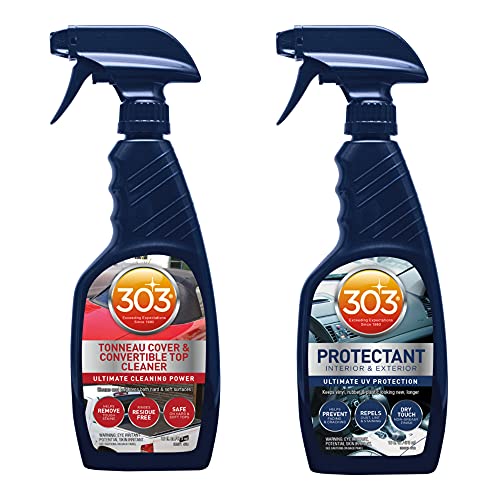


Before You Start
Prepare in a shaded, cool area to prevent cleaner from drying too quickly. Rinse the cover with a gentle stream to remove loose dust before applying any cleaner. Avoid harsh detergents, solvents, or abrasive tools, which can damage vinyl. If the bed cover has hardware or zippers, protect surrounding components and check seals for wear. A time estimate for a thorough cleaning is typically 20–40 minutes depending on dirt level.
Step-By-Step: How To Clean A Tonneau Cover
- Rinse the tonneau cover with clean water to remove loose dust and debris.
- Fill the adjustable spray bottle with a diluted vinyl cleaner following the product’s directions.
- Spray a light mist across a small section of the vinyl, starting at one end.
- Using the microfiber wash mitt, gently scrub in a straight or circular motion to lift dirt.
- For stubborn spots, switch to a soft detailing brush and carefully target the stain without scrubbing too hard.
- Rinse the area with clean water, ensuring all cleaner residue is removed.
- Repeat on adjacent sections until the entire cover is clean.
- Dry with a microfiber towel set, patting rather than rubbing to avoid streaks.
- Inspect for missed spots, re-clean as needed, then allow the cover to air dry completely.
- Optionally apply a vinyl protectant or UV conditioner to preserve color and flexibility.
- Close zippers and test any moving parts to ensure smooth operation after cleaning.
- Store cleaning tools away and wash them after use to prevent residue transfer to the next cleaning.
Troubleshooting
| Symptom | Likely Cause | Fix | Prevention |
|---|---|---|---|
| Cloudy streaks after drying | Residual cleaner or water spots | Re-wipe with a clean microfiber towel | Rinse thoroughly; dry promptly |
| Stiff or brittle vinyl | Too-strong cleaner or UV exposure | Switch to a mild vinyl cleaner; apply protectant | Regular maintenance and UV protection |
| Stains that don’t come out | Set-in grime or mildew | Pre-treat with a vinyl-safe stain remover; gentle agitation | Clean promptly after exposure to moisture |
| Scratches or scuffs appear after cleaning | Abrasive brushing | Switch to a softer brush and shorter strokes | Avoid abrasive tools and harsh chemicals |
Common Mistakes
- Using household detergents that strip protective coatings from vinyl
- Using stiff brushes on the surface, which can scratch
- Letting cleaners dry on the vinyl before rinsing
- Neglecting to dry the cover thoroughly, which can promote mold growth
Careful product selection and gentle techniques help prevent these issues and preserve the cover’s appearance and function.
Tips For Best Results
- Test cleaners on a small, inconspicuous area before full application.
- Work in cool, shade-covered areas to prevent early drying and streaking.
- Use two mitts: one for cleaning and one for drying to avoid cross-contamination.
- Spray cleaner onto the cloth or mitt rather than directly onto the vinyl to control coverage.
- Follow with a UV-protectant designed for vinyl to extend color life.
Call A Professional
Seek professional help if the tonneau cover shows deep cracks, heavy mildew, or persistent stains that resist safe cleaning methods. If the cover is peeling, heavily faded, or the vinyl seals are degraded, a pro can assess replacement or repair options. Stop cleaning and contact a technician if you notice unusual odors, mold growth that spreads beyond the surface, or water leaks after cleaning.
FAQ
What is the best cleaner for vinyl tonneau covers?
A mild vinyl cleaner formulated for automotive use is recommended to protect the surface without causing damage.
Can I use dish soap on a tonneau cover?
Dish soap is generally not advised for vinyl; it can strip protective coatings over time.
How often should I clean my tonneau cover?
A routine wash every 1–2 months helps prevent buildup, with extra cleaning after heavy rain or mud.
Is a protectant necessary after cleaning?
Yes, applying a UV-protectant designed for vinyl helps preserve color and flexibility.
Buying Guide
When choosing cleaning supplies for a vinyl tonneau cover, consider size compatibility, material safety, and ease of use. Look for a gentle vinyl cleaner that is safe for the specific vinyl used on the cover, and select a microfiber towel set and wash mitt that are plush yet non-abrasive. An adjustable spray bottle helps control solution delivery, while a soft detailing brush can tackle stubborn grime without scratching. For best results, choose products that are designed for automotive vinyl and UV protection. Consider your cleaning frequency, climate, and whether you prefer ready-to-use sprays or concentrated solutions to tailor a kit that fits your routine.