Deodorant stains on clothing are a common wardrobe nuisance. With the right approach, most fabrics can be restored without harsh scrubbing or fading colors. This guide outlines practical steps, tools, and products designed to remove armpit deodorant stains while preserving fabric integrity.
Quick Answer
Act quickly, pre-treat with a stain remover, use enzyme or oxygen bleach products for tough stains, wash in the hottest safe water for the fabric, and air-dry to verify stain removal before repeating if needed.
What You’ll Need
- armpit deodorant stain remover spray
- enzyme laundry stain remover deodorant stains
- oxygen bleach stain remover for armpit sweat deodorant
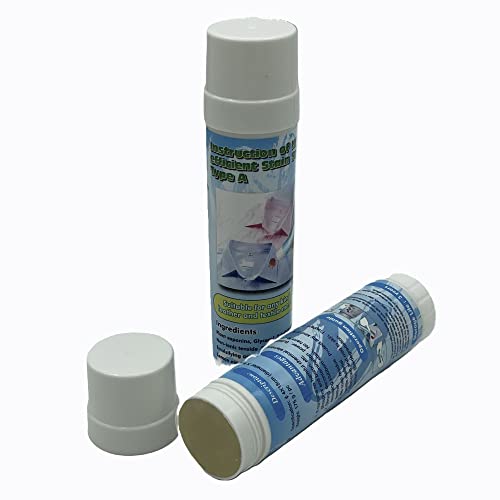
- pre-wash stain stick deodorant stains
- fabric stain remover brush deodorant residue


Before You Start
Check fabric care labels for recommended washing temperatures and any restrictions. Test any product on a hidden seam or inconspicuous area to ensure colorfastness. Work on fresh stains promptly, as set-in deodorant can be harder to remove. Time estimate: 20–60 minutes for treatment, plus one wash cycle. Important cautions: avoid hot water on protein-based stains until you know the fabric tolerates it, and don’t mix chlorine bleach with ammonia or acids.
Step-By-Step: How To Remove Deodorant From Armpits
- Inspect the stain to determine if it’s chalky residue, oil-based residue, or a combination, as this guides the treatment choice.
- Blot any excess residue with a clean cloth; avoid rubbing, which can spread the stain.
- Apply armpit deodorant stain remover spray directly to the stained area and let it sit for 5–10 minutes.
- If the stain looks waxy or stubborn, layer with pre-wash stain stick deodorant stains and gently work it in with a fabric stain remover brush deodorant residue.
- For tougher stains, prepare a soaking solution following the product directions (often warm water with a small amount of enzyme laundry stain remover deodorant stains or oxygen bleach stain remover for armpit sweat deodorant). Soak 30–60 minutes, checking periodically.
- Wash the garment in the hottest water safe for the fabric using a quality detergent. Add an extra rinse if possible to remove all residue.
- Air-dry the item and inspect the stain. If any trace remains, repeat the treatment or try a second method using the enzyme-based option.
- Avoid placing the garment in a dryer until the stain is completely gone, as heat can set residual stains.
- For delicate fabrics like silk or wool, consider a gentler method with a fiber-appropriate stain remover and cold water wash, following label directions.
- Repeat steps as needed, but track which methods work best for different fabrics to build a quick reference for future stains.
Troubleshooting
| Symptom | Likely Cause | Fix | Prevention |
|---|---|---|---|
| Abrupt color change after washing | Bleach or strong cleaners on colored fabric | Test first; use color-safe products; reduce concentration | Always spot-test and follow care labels |
| Stain remains after first wash | Oil-based residue or set-in deodorant | Reapply enzyme or oxygen-based cleaner and rewash | Pre-treat promptly; avoid heat before stain is gone |
| Fabric fraying or damage | Aggressive brushing or harsh chemicals | Switch to gentler stain removers and soft brushes | Follow fabric care instructions |
| Stains on whites | Residual deodorant salts | Additional soak with oxygen bleach product per label | Avoid over-bleaching and use appropriate amounts |
Common Mistakes To Avoid
- Rubbing the stain aggressively, which can push deodorant oils deeper into fibers.
- Using hot water on fabrics that require cold or warm temperatures, which can set stains.
- Skipping a patch test or ignoring care labels on delicate fabrics.
- Over-applying products, leading to residue that looks worse after washing.
- Drying before confirming stain removal, which can set remaining marks.
Tips For Best Results
- Address stains as soon as possible for higher success rates.
- Keep a small arsenal of stain-removal products tailored to deodorant residues for quick action.
- Use enzyme-based cleaners for organic residues and oxygen-based cleaners for tougher, layer-form deodorant stains.
- Maintain consistent washing routines, especially in households with multiple laundry loads.
- Protect whites with occasional gentle bleaching as recommended by garment care labels, not indiscriminately.
Call A Professional
Seek professional cleaning if a stain persists after multiple treatments, if the fabric is expensive or a delicate weave, or if you notice color loss, texture change, or fabric distortion. Signs to stop attempting at home include persistent odor, repeated dye transfer, or warnings on the care label against any stain remover use.
FAQ
Can deodorant stains be removed from all fabrics?
Most cotton, polyester, and blends respond well to stain removers, but delicate fabrics like silk require gentler methods and specific products per care labels.
Is it better to pre-treat before washing or soak overnight?
Both can be effective; for stubborn stains, a short pre-treat followed by a warm wash or a longer soak with enzyme or oxygen-based cleaners often yields the best results.
Should I use chlorine bleach on deodorant stains?
Only if the fabric care label allows it and you are certain it won’t bleach colors; otherwise, color-safe oxygen bleach is usually safer.
How can I prevent deodorant stains in the future?
Allow deodorant to dry before dressing, apply a thin layer and wait for it to set, or switch to anti-stain formulas designed to reduce residue on fabrics.
Buying Guide
When choosing products to fight deodorant stains, consider size, surface compatibility, and scent-free options if sensitive to fragrances. Look for enzymatic formulas that break down organic compounds, and oxygen-based cleaners for tougher residues. For frequent travelers or households with mixed fabrics, select multi-surface or multi-fabric stain removers that are safe for colors. Noise and energy considerations are typically minimal for household stain removers, but be mindful of packaging waste and refill options. Always verify the product is suitable for the fabric type in your wardrobe and follow label directions for best results.