Wood fences can look worn from years of weather exposure, but you don’t need a pressure washer to restore their appearance. This guide explains safe, effective methods to clean and refresh a wood fence using common tools and a few specialty brushes. It emphasizes gentle scrubbing, proper solutions, and routine maintenance to extend the life of the wood.
Quick Answer
Best approach: use a soft-to-medium scrub brush, a garden sprayer for controlled application, and a wood-safe cleaner or algae/mold remover. Scrub with a long-handled brush, rinse with a gentle spray, and air-dry. For stubborn stains, repeat in sections and treat mold or mildew promptly.
What You’ll Need
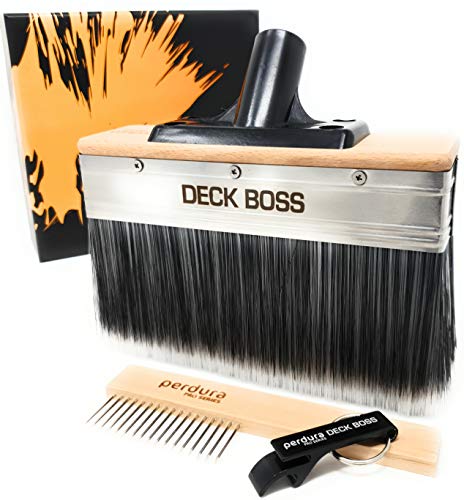
- Wood fence cleaning brush with long handle extension pole
- Stiff nylon fence scrub brush outdoor with 60 inch extension
- Fence cleaning kit brush and sponge for wood fences
- Algae mold remover for wooden fence spray and scrub kit
- Garden sprayer for fence cleaning with adjustable nozzle


Before You Start
Prepare the area by removing debris, furniture, and plants near the fence. Protect surrounding vegetation with a light spray of water or a drop cloth. Test cleaners on a small inconspicuous area to avoid discoloration. Work on a dry day with mild sunlight to help prevent cleaner runoff from drying too quickly. Wear eye protection and gloves, and avoid mixing cleaners not designed for wood.
Step-By-Step: How To Clean A Wood Fence Without A Pressure Washer
- Inspect the fence for loose boards, nails, or rot. Note areas needing extra care before cleaning.
- Dust and sweep the fence to remove surface dirt and debris.
- Fill the garden sprayer with a wood-safe cleaner or an algae/mold remover designed for wooden surfaces.
- Apply the cleaning solution evenly across a fence panel using a light mist from the adjustable nozzle.
- Let the cleaner sit for 5–10 minutes to loosen dirt and deposits.
- Using a long-handled brush, scrub along the grain with medium pressure. Start at the top and work downward.
- Focus on discolored or moldy areas, scrubbing until the surface shows a uniform tone.
- Rinse with a garden hose using a gentle spray setting. Avoid high pressure that can damage wood fibers.
- Repeat on any stubborn spots. If mold persists, reapply cleaner and scrub again.
- Allow the fence to dry completely before applying any sealant or stain, if planned.
- Inspect after drying for remaining stains and re-clean as needed once more for best results.
- Clean tools and store them properly to prevent residue buildup for future use.
Troubleshooting
| Symptom | Likely Cause | Fix | Prevention |
|---|---|---|---|
| Stubborn green staining persists | Mold spores deeply embedded | Reapply algae/mold remover and scrub with nylon brush | Regular maintenance; rinse soon after rainfall |
| Discoloration after cleaning | Harsh cleaner or sun exposure | Switch to wood-safe cleaner and test small area | Light cleaner, avoid concentrated exposure |
| Wood fibers feel rough after rinse | Over-scrubbing or using too stiff a brush | Use softer brush and lighter pressure | Gentle technique and proper brush choice |
| Bleeding stain when rinsing | Newly-woody wood releasing tannins | Rinse and allow extra drying time; reseal if needed | Clean and seal after complete drying |
Common Mistakes
- Using high-pressure water to clean wood fences, which can gouge fibers and cause splinters.
- Overlooking safety gear, leading to eye or skin irritation from cleaners.
- Applying cleaner in direct sunlight causing rapid drying and uneven results.
- Neglecting to dry the wood before staining or sealing, which traps moisture.
Tips For Best Results
- Choose a algae mold remover for wooden fence spray and scrub kit for persistent mildew without harming wood.
- Use a wood fence cleaning brush with long handle extension pole to reach higher sections without ladders.
- Alternate between brushing and rinsing to avoid dry patches that attract more dirt.
- Test cleaners on a hidden area to confirm color safety before full application.
- Plan to clean fences during mild weather to prevent fast drying and streaking.
Call A Professional
Consider contacting a professional if the fence shows extensive rot, widespread warping, or structural damage. Warning signs include significant looseness, cracked boards, or exposed nails that require carpentry repairs.
FAQ
Can I clean a fence with just water and a brush?
Yes, a simple brush with water can remove loose dirt, but for mold or algae, a specialized cleaner is more effective.
Is it safe to use household cleaners on wood fences?
Some household cleaners can irritate wood fibers or discolor the wood. Use products labeled for wood and follow the manufacturer’s directions.
How long should I wait before sealing after cleaning?
Wait until the wood is completely dry, typically 24–48 hours depending on climate and wood type.
Will cleaning restore faded color?
Cleaning can improve appearance, but color restoration often requires staining or sealing after drying.
Should I use a brush with an extension pole for hard-to-reach areas?
Yes, a long-handled brush helps reach top rails and corners without ladders, reducing risk of falls.
Buying Guide
When choosing tools to clean a fence without a pressure washer, consider size, weight, and ease of use. A wood fence cleaning brush with long handle extension pole and a stiff nylon fence scrub brush outdoor with 60 inch extension pair well for larger fences, offering reach and scrubbing power without damaging wood. A dedicated fence cleaning kit brush and sponge for wood fences provides a balanced cleaning kit that fits most jobs. For mold-prone fences, an algae mold remover for wooden fence spray and scrub kit helps tackle stubborn growth. A garden sprayer for fence cleaning with adjustable nozzle offers controlled application, reducing chemical waste and splash onto surrounding plants. Consider fence length, height, climate, and maintenance goals. Noise is not a concern here, but ease of use, brush stiffness, and cleaner compatibility with your wood type should guide selection. Look for non-abrasive bristles to protect delicate wood while still removing surface grime. If you expect frequent cleaning, invest in a lightweight extension pole for comfortable, repeated use. Finally, verify product compatibility with the cleaner you plan to use to ensure optimal results.