Odors in a car can come from spilled beverages, pets, smoke, or lingering HVAC smells. A systematic approach combines cleaning, deodorizing, and ongoing maintenance to restore fresh air inside the cabin. This guide provides practical steps and product options to tackle stubborn car odors effectively for American users.
Quick Answer
Start with a deep clean of fabrics and surfaces, then use a targeted odor eliminator spray or enzyme cleaner for upholstery. If odors persist, consider a portable ozone generator or activated charcoal odor absorbers. For ongoing freshness, pair cleaners with a dedicated car air freshener and a cabin deodorizing spray. Always ventilate the vehicle during treatment and follow product directions.
What You’ll Need
- Car odor eliminator spray 16oz enzyme cleaner for upholstery
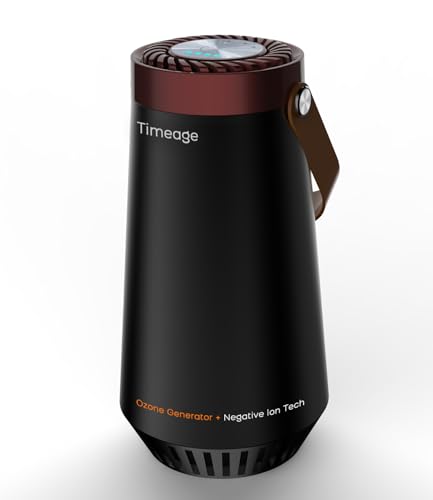
- Portable ozone generator for car odor removal
- Activated charcoal odor absorber car air freshener bags 2-pack
- Car interior deodorizing spray 24oz fabric upholstery
- Car cabin odor removal kit with deodorizing filter


Before You Start
Work in a well-ventilated area and move items from the cabin to reduce contamination. Test any cleaner on a hidden fabric or surface patch first to avoid discoloration. For safety, never run a portable ozone generator while people or pets are inside the car and follow all device instructions. Expect a multi-step process that may take several hours, including drying time after cleaning.
Step-By-Step: How To Get Rid Of Odor In Car
- Remove all personal items, mats, and trash from the cabin to start with a clean slate.
- Vacuum thoroughly, including seats, carpets, and under seat crevices to remove loose particles that cause odors.
- Apply the car odor eliminator spray or enzyme cleaner to upholstery and fabric surfaces according to label directions.
- Allow treated areas to dry completely; blot excess moisture with clean towels if needed.
- Use a car interior deodorizing spray on fabric and hard surfaces to neutralize lingering aromas.
- If odors persist, run a portable ozone generator in a sealed or well-sealed car according to the device’s safety instructions and timer settings.
- Place activated charcoal odor absorber bags in the cabin to trap remaining odors and improve air quality.
- Replace or refresh air filters and consider a cabin odor removal kit with a deodorizing filter for ongoing maintenance.
- Ventilate the car by opening doors or windows after treatments to dissipate any chemical smells.
- Inspect for moisture sources (leaks, spills) and address them to prevent odor return.
- Re-clean high-odor zones (seats, carpets) after a few days if needed, and reapply odor absorbers as required.
- Schedule periodic maintenance, especially in vehicles with frequent spill or pet use, to maintain a fresh cabin.
Troubleshooting
| Symptom | Likely Cause | Fix | Prevention |
|---|---|---|---|
| Persistent musty smell | Moisture buildup | Dry surfaces thoroughly; check for leaks | Address leaks and keep carpet dry |
| Smell returns after cleaning | Residual odor compounds | Reapply enzyme cleaner to affected areas | Regular quick clean after spills |
| Strong chemical odor after spray | Overuse of cleaners | Ventilate thoroughly; dilute next time | Follow label and use recommended amounts |
| Ozone odor or headaches during treatment | Ozone exposure | Stop treatment, ventilate, and restart with safety precautions | Do not operate with occupants present |
| Persistent pet odor | Deep-seated upholstery odor | Combine enzyme cleaners with odor absorbers | Regular preventative cleaning |
Common Mistakes
- Using generic air fresheners as a cure-all for deep odors
- Skipping a full interior cleaning and odor sources remain hidden
- Applying cleaners without testing on fabrics
- Neglecting moisture sources that foster odors
Tip: Focus on the source, not just masking the smell. A clean, dry cabin reduces recurring odors significantly.
Tips For Best Results
- Vacuum thoroughly before any spray to remove particulates that trap smells.
- Coordinate enzyme cleaners with fabric-safe products to maximize odor breakdown.
- Use activated charcoal absorbers in conjunction with cleaners for ongoing freshness.
- Rotate air fresheners and replace them as needed to avoid overpowering scents.
Call A Professional
Consider professional help if there are persistent odors despite repeated cleaning, or if the source is unknown (such as persistent mold behind dashboards or carpeting). Seek a certified detailer or automotive odor remediation service when odor issues extend beyond visible surfaces or involve extensive moisture damage.
FAQ
What is the best product to remove odors from car upholstery?
Enzyme-based odor eliminators are effective for organic odors on fabric and upholstery when used as directed.
Can I use a portable ozone generator for car odors?
Yes, but follow safety instructions to prevent exposure. Use when the car is empty and ventilate before re-entry.
Do activated charcoal odor absorbers work in cars?
Yes, they help trap odors over time and can complement sprays and cleaners for ongoing freshness.
How long should I leave cleaners on fabric?
Follow label directions; most sprays require a set dwell time and thorough drying before use.
Is it necessary to replace the cabin air filter after odor removal?
Replacing or cleaning the cabin air filter can improve air quality and prevent residual smells from circulating.
Will moisture cause odors to return?
Yes. Address any leaks, spills, or damp areas promptly to prevent re-odorization.
How often should I deodorize my car?
Regular cleaning after spills and seasonal deodorizing help maintain a fresh cabin.
Buying Guide
When choosing odor-control products for a car, consider several factors to fit different needs and vehicle types.
Size and coverage: Choose products sized for car interiors, such as spray bottles or double-action kits that treat multiple surfaces. Large vehicles or heavy odor situations may benefit from bigger containers or multi-pack options.
Odor control methods: Enzyme cleaners tackle organic odors at the source, while odor absorbers with activated charcoal provide ongoing neutralization. A portable ozone generator offers powerful deodorizing capability but requires strict safety adherence.
Noise and energy efficiency: Portable ozone units and battery-powered devices vary in noise and energy use. Look for energy-efficient models with low noise levels for cabin use.
Controls and ease of use: Simple spray bottles, timed ozone settings, and clear safety features help ensure correct operation without guesswork. Opt for products with clear instructions and safety warnings.
Placement and compatibility: Ensure products fit your car’s interior layout. Bag-style charcoal absorbers work well on cup holders or rear seats, while sprays suit upholstery and dashboards.
Maintenance needs: Consider products that require minimal maintenance and offer long-lasting effects. For vehicles with frequent spillages or pets, combine cleaners with absorbers and periodic replacements.
Safety considerations: Follow all safety labels, avoid mixing chemicals, and never operate ozone devices with occupants inside. Keep products out of reach of children and pets when not in use.
With these factors in mind, readers can select a practical odor-removal kit or a combination of products that match their car type, odor severity, and maintenance habits, ensuring a consistently fresh cabin.