Cleaning windows with a squeegee is a practical, efficient method for achieving streak-free results without leaving wet streaks behind. This guide focuses on American households looking for clear, glossy panes using a combination of a squeegee and complementary tools. By following step-by-step instructions and choosing the right gear, homeowners can simplify window maintenance and reduce the need for frequent re-washing.
Quick Answer
Best method: Use a squeegee with a sharp rubber blade, work with a steady, overlapping motion from top to bottom, and finish with a microfiber cloth for edges. For higher or awkward windows, employ a telescoping extension pole and adjustable-angle squeegee for better control.
What You’ll Need
- 12 inch window squeegee with replaceable rubber blade
- telescoping extension pole for window cleaning squeegee
- window cleaning kit with squeegee and microfiber cloth
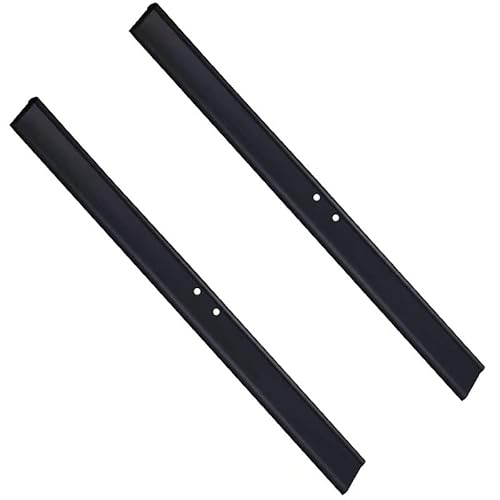
- replacement rubber blade for window squeegee
- adjustable angle window squeegee with ergonomic handle


Before You Start
Prepare the cleaning area by moving furniture away from windows and laying down a protective drop cloth. Use filtered water or a commercial window cleaning solution recommended for home use. Confirm the squeegee blade is intact and free of nicks, as damaged blades can streak surfaces. Safety first—if a window is high, do not reach or lean out; use a stable ladder or extension pole. Time estimate: 20–40 minutes for a standard home window pane, longer for large or multi-pane windows.
Step-By-Step: How To Clean Windows With A Squeegee
- Assemble the kit: Attach the squeegee blade to the frame and connect any extension pole if needed for high or hard-to-reach windows.
- Prepare the cleaning solution: Mix water with a small amount of detergent or use a ready-made window wash. Dip the rubber blade edge into the solution and lightly rinse to coat the blade.
- Wash the window: Start at the top and work in horizontal or vertical strokes to loosen dirt; overlap each pass slightly to avoid missed spots.
- Angle the blade: Use the adjustable angle handle to find the optimal pressure. Maintain a consistent angle to prevent streaks or water trails.
- First squeegee pass: Begin at the top edge and pull in a straight, smooth motion toward the opposite side. Wipe the blade with a microfiber cloth between passes to remove residue.
- Second pass for corners: Use the edge of the blade to clean along the seals and corners where water tends to pool.
- Dry the edges: Run the edge of a microfiber cloth along the window frame to pick up remaining moisture and prevent drips on walls or sills.
- Inspect and repeat if needed: Check for streaks or spots in natural light and perform a quick touch-up pass if necessary, focusing on problem areas.
Troubleshooting
| Symptom | Likely Cause | Fix | Prevention |
|---|---|---|---|
| Streaks after drying | Dried solution or dirty blade | Wipe blade frequently; rinse blade and re-wipe | Use clean water and a fresh blade when needed |
| Water streaks on pane | Blade angle too shallow or blade worn | Adjust angle; replace blade | Regular blade checks and timely replacements |
| Watermarks on edges | Not drying edges properly | Dry with microfiber cloth after squeegee | Include edge drying in routine |
| Blade drags or sticks | Dirty blade or insufficient lubrication | Clean the blade; reapply cleaning solution | Keep blade clean during the job |
Common Mistakes
- Using a dull or nicked blade that leaves streaks
- Working too slowly or with inconsistent pressure
- Forgetting to wipe the blade between passes
- Cleaning in direct sun, which can dry solution too quickly
Avoid these missteps by checking equipment before starting and maintaining a steady rhythm throughout the cleaning process.
Tips For Best Results
- Choose a high-quality blade and consider a replacement rubber blade for window squeegee to maintain performance.
- Keep a dedicated microfiber cloth handy for quick edge dry and blade wipe-downs.
- Opt for a telescoping extension pole for window cleaning squeegee when reaching tall or multi-story windows.
- Schedule exterior washing on overcast days to prevent rapid drying and streaks.
- Always rinse the window first, then squeegee for best results.
- Store tools in a dry place to extend blade life and maintain blade integrity.
Call A Professional
Consider hiring a pro if windows are severely dirty, have hard mineral deposits, or you need exterior washing from a height beyond safe reach. Stop signs include persistent staining, damaged frames, or signs of underlying moisture intrusion. If the job requires specialized equipment or involves difficult-to-reach panes, a professional can ensure safety and effectiveness.
FAQ
What size squeegee is best for average home windows?
Most homes benefit from a 12 inch window squeegee with replaceable rubber blade, offering a balance of control and coverage.
Can I use tap water to clean windows with a squeegee?
Tap water is usually fine, but filtered or distilled water can reduce spotting caused by minerals on glass surfaces.
How do I replace the blade on my squeegee?
Remove the old blade, align the new replacement rubber blade, and secure it with the frame’s blade retention mechanism while ensuring a snug fit.
What maintenance does a window cleaning kit require?
Rinse blades after use, wash microfiber cloths, and store components in a dry area to prevent mold and blade degradation.
Are extension poles safe for high windows?
Yes, when properly attached and used with proper mounting and footing, extension poles improve reach and safety for tall panes.
Can I use a squeegee on tinted or frosted windows?
Yes, but test a small area first to ensure the blade does not scratch or leave marks on sensitive surfaces.
What is the best order to clean multiple windows?
Work from the top row to the bottom, and from the outer edges inward to minimize drips onto already cleaned areas.
Buying Guide
When selecting window cleaning tools, consider size, ergonomics, and build quality. Key buying factors include:
- Size and blade quality: A 12-inch blade is versatile for most windows; ensure the blade is replaceable and made of durable rubber for long life.
- Noise and ease of use: Look for ergonomic handles and smooth-swing mechanisms to reduce wrist strain and improve control.
- Energy efficiency and materials: While not electrical, higher-quality materials resist wear and deliver better cleaning action with less effort.
- Controls and adjustability: An adjustable-angle squeegee lets you tailor pressure across different pane configurations.
- Placement and storage: Consider a kit that includes a microfiber cloth and blade storage options to keep components organized and accessible.
Additionally, evaluate whether you need a telescoping extension pole for reaching upper windows or a window cleaning kit with squeegee and microfiber cloth for an all-in-one solution. A spare replacement rubber blade ensures you can maintain peak performance without delays. Finally, verify compatibility among components, such as blades designed for your specific squeegee model and pole attachments for stability.