Silver pieces add timeless beauty to any collection, but tarnish can dull their luster quickly. This guide provides practical steps using common silver cleaning tools and safe techniques suitable for American households. Readers will learn how to choose the right cleaning kit, how to use ultrasonic cleaning safely, and how to maintain a bright, lasting finish on jewelry and flatware alike.
With the right approach, most silver items regain their original brilliance without risking damage. The methods below emphasize simplicity, accessibility, and care. Whether you own a silver necklace, a set of forks, or heirloom pieces, follow these steps to keep silver shining for years to come.
Quick Answer
To remove tarnish quickly, start with a gentle silver tarnish remover paste or a silver polishing kit with cloth and polishing compound. For deep cleaning, use an ultrasonic jewelry cleaner designed for silver, followed by a microfiber silver polishing cloth to buff to a high shine. Always finish by drying thoroughly to prevent water spots.
What You’ll Need
- Silver polishing kit with cloth and polishing compound
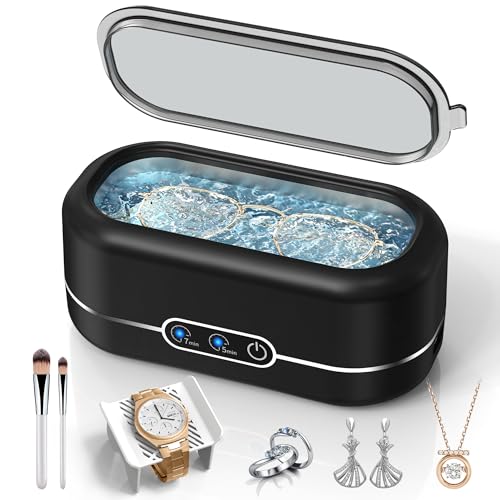
- Ultrasonic jewelry cleaner for silver
- Silver tarnish remover paste for jewelry and flatware
- Microfiber silver polishing cloth
- Jewelry cleaning kit for silver with brush and tray
- Soft toothbrush or brush included in the kit


Before You Start
Assess each item’s finish and any gemstone settings before cleaning. Hardened patina or antique finishes may require gentler methods. Always test a hidden area first. Use warm water and a mild dish soap if you don’t have specialized products. Avoid chlorine-containing cleaners, which can damage silver coatings. Protect surrounding surfaces from splashes and rinse thoroughly after cleaning.
Time estimates: basic polish 5–10 minutes per piece; ultrasonic cleaning 3–5 minutes per cycle; polishing and buffing up to 15 minutes for multiple items. Plan for drying time after cleaning to prevent water spots.
Step-By-Step: How To Clean Silver And Restore Shine
- Set up a clean workspace with a soft towel, a tray, and good lighting. Gather your cleaning supplies and read product labels.
- Identify the items to clean. Start with jewelry or pieces without gemstones, as stones can be sensitive to ultrasonic cleaning.
- For light tarnish, apply a small amount of silver tarnish remover paste for jewelry and flatware to a soft cloth and rub in small circles until tarnish loosens.
- Rinse with warm water and dry with a clean microfiber cloth. For flatware, avoid scratching by using a dedicated brush or cloth for each piece.
- Use the silver polishing kit with cloth and polishing compound as a follow-up for a bright finish. Apply a thin layer and buff in circular motions until you see a shine.
- If ${Ultrasonic cleaner} is available, submerge silver items (excluding porous stones or delicate enamel) in a gentle cleaning solution as directed by the device’s manual. Run a short cycle, then rinse and dry thoroughly.
- For items with intricate detailing, use the brush from the jewelry cleaning kit for silver with brush and tray to dislodge dirt in crevices, then polish again with the microfiber cloth.
- Inspect each piece under light and repeat steps if needed. Finish with a final buff to remove any remaining residue.
- Store cleaned silver in a dry, airtight container or anti-tarnish bag to slow future tarnish formation.
- Document care steps for future reference to maintain consistency across cleanings.
Troubleshooting
| Symptom | Likely Cause | Fix | Prevention |
|---|---|---|---|
| Dull finish after cleaning | Insufficient polishing or residue | Buff with microfiber cloth and reapply polishing compound | Follow with a final polish after each cleaning |
| Green or blue tinge on skin after handling | Copper alloy exposure or contaminants | Rinse thoroughly and dry; re-clean with gentler paste | Wear gloves for heavy cleaning to minimize oils |
| Stone in jewelry becomes loose | Ultrasonic exposure | Remove piece from ultrasonic cleaner; clean manually | Avoid ultrasonic cycles for fragile settings |
| Water spots on polished silver | Water mineral deposits | Dry completely with a microfiber cloth; buff gently | Dry items immediately after rinsing |
| Rubbing removes finish | Overly aggressive paste or scrubbing | Switch to a gentler cloth and polish | Use light pressure and follow product guidelines |
Common Mistakes
- Over-polishing or using harsh abrasives that scratch the surface
- Using chlorine-containing cleaners on silver
- Cleaning gemstones or porous materials in ultrasonic baths
- Ignoring pre-cleaning tests on delicate pieces
- Rubbing too hard, which can remove plating or patina
Tips For Best Results
- Work in small batches to avoid cross-contamination of residues on different pieces
- Use a dedicated cloth for silver to prevent tainting other metals
- Store silver in anti-tarnish bags or wrapped in anti-tarnish paper after cleaning
- Clean frequently to prevent heavy buildup that requires more aggressive methods
- Follow manufacturer instructions for ultrasonic cleaners to prevent damage
Call A Professional
seek professional help if pieces are heavily tarnished, show deep pits, or involve valuable heirlooms with delicate stones, engravings, or fragile settings. If you notice discoloration, heavy corrosion, or unsure about the metal composition, contact a jewelry professional or restorer.
FAQ
Can I use toothpaste to clean silver?
Toothpaste is abrasive and can scratch silver; use dedicated polishing products or paste specifically designed for silver instead.
Is ultrasonic cleaning safe for all silver items?
No. Some gemstones, enamel work, or hollow pieces may be damaged by ultrasonic cleaning. Check item care instructions first.
How often should I clean silver jewelry?
Clean as needed to remove tarnish, typically every few months for jewelry worn regularly, and less often for seldom-used pieces.
What storage helps prevent tarnish?
Store in airtight containers or anti-tarnish pouches, away from moisture, sulfur-containing environments, and direct sunlight.
Should I rinse silver after applying polish?
Yes. Rinse off residues with warm water and dry thoroughly to prevent spotting and staining.
Can I reuse cleaning solutions?
Follow product instructions; some solutions are designed for one-time use to avoid cross-contamination and residues.
Buying Guide
When choosing tools to clean silver, consider size, type of tarnish, and your maintenance goals. Key buying factors include:
- Size and finish of items: Larger flatware sets may benefit from a full polishing kit, while delicate jewelry benefits from smaller, gentler kits.
- Noise level and ease of use: Ultrasonic cleaners offer convenience but may be noisy; consider models with adjustable cycles and quiet operation.
- Energy efficiency: Look for energy-efficient ultrasonic units and low-energy polishing compounds to reduce eco-impact.
- Controls and safety: Choose devices with clear instructions, built-in timers, and safety features to prevent over-cleaning.
- Placement and storage: Keep cleaning gear in a ventilated, dry area. Anti-tarnish storage helps prolong results between cleanings.
Consider a combination approach: a silver polishing kit with cloth and polishing compound for routine maintenance, an ultrasonic jewelry cleaner for silver for deeper cleanings, and a microfiber silver polishing cloth for quick touch-ups. If your pieces include gemstones or intricate settings, a dedicated jewelry cleaning kit for silver with brush and tray provides targeted care. Matching products from trusted brands helps ensure compatibility and safety for your silver collection.