Quick Answer
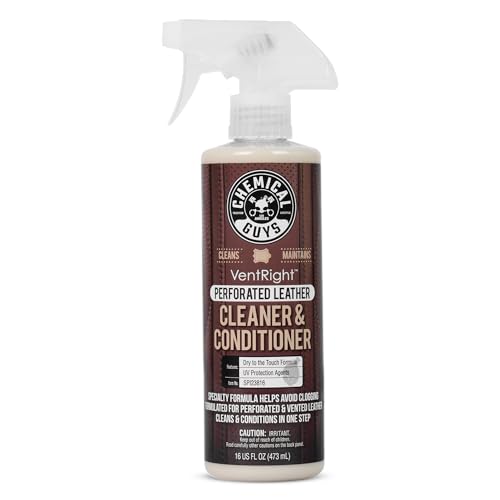
To clean vented leather seats effectively, use a dedicated leather cleaner, a soft brush, and a microfiber towel. Wipe, scrub gently, and condition to restore suppleness. For perforated panels, apply cleaner carefully through the perforations and avoid soaking the fabric beneath.
What You’ll Need
Gather the following tools and products to clean vented leather seats efficiently and safely:
- Perforated leather car seat cleaner kit
- Leather car upholstery cleaner spray with brush
- Car interior detailing brush set
- Microfiber towel set for leather seats
- Leather conditioner and cleaner duo kit for cars


Before You Start
Before diving in, inspect the seats for any tears or loose stitching. Test any cleaner in an inconspicuous area and wait 30 seconds to check for color reactions. Work on a shaded day or indoors to avoid rapid drying. Prepare a clean workspace and cover adjacent surfaces to protect from cleaner runoff. Do not saturate perforated sections—excess moisture can penetrate the foam beneath. Expect a cleaning session to take 20–40 minutes per seat, depending on soiling level and vent density.
Step-By-Step: How To Clean Vented Leather Seats
- Remove loose debris with a dry microfiber towel, brushing along the grain. This prevents dragging dirt into cleaner residues.
- Lightly mist the perforated sections with a leather cleaner designed for perforated panels, applying the spray only to the surface. Avoid saturating the foam beneath.
- Use a car interior detailing brush set to agitate the cleaner in circular motions, focusing on creases, seams, and perforations to lift embedded oils.
- Wipe away loosened grime with a clean microfiber towel. Flip to a fresh area to avoid re-depositing dirt onto the seat.
- For stubborn stains, apply a second light pass with the leather car upholstery cleaner spray with brush, targeting the stain without oversaturating the area.
- Rinse or remove cleaner residue with a damp microfiber cloth, ensuring the surface is evenly damp but not soaking.
- Apply a thin layer of leather conditioner and cleaner duo kit for cars to restore moisture and protect the leather. Allow it to absorb for the recommended time on the product label.
- Buff the seat with a dry microfiber towel until the surface has a natural, matte finish and an even tone.
- Repeat the process on the remaining seats, maintaining consistent technique to prevent patches or uneven coloring.
- Let the seats air-dry completely before use. Avoid direct heat sources that could dry out or crack leather.
Troubleshooting
| Symptom | Likely Cause | Fix | Prevention |
|---|---|---|---|
| Sticky residue after cleaning | Over-application of cleaner | Wipe with a damp microfiber cloth and dry thoroughly | Apply cleaner conservatively, especially on perforated areas |
| Leather looks dull after cleaning | Insufficient conditioning | Apply a thin layer of conditioner and buff | Condition quarterly or after deep clean |
| Color transfer or staining | Cleaner not compatible with dye | Test first; switch to a dye-safe cleaner | Always test in an inconspicuous spot |
| Stiff feel post-cleaning | Over-drying or inadequate conditioner | Reapply conditioner and allow slow absorption | Use moisture-friendly products, avoid high heat |
Common Mistakes
- Using household cleaners that contain ammonia or harsh solvents on leather.
- Over-wetting perforated sections, which can seep into foam cushioning.
- Brushing too aggressively, which can abrade the leather surface.
- Waiting too long between conditioning sessions, leading to dried, cracked leather.
Tips For Best Results
- Always test cleaners on a hidden area first to confirm colorfastness.
- Work in a cool, shaded environment to prevent rapid drying and streaks.
- Use back-and-forth motions along the seat grain to minimize surface scratches.
- Maintain a routine: clean, condition, and protect every 3–6 months depending on usage and climate.
- Store cleaning tools in a dedicated bag to keep dust off before the next detailing.
Call A Professional
Consult a professional if seats have deep stains that do not respond to standard cleaners, significant cracking or delamination, or if the leather shows signs of dye transfer that may require color-matching and advanced restoration. Seek expert help if the vented perforations appear damaged or if the foam beneath the leather feels excessively soft or compromised.
FAQ
Can I clean perforated leather seats with any spray?
Choose a cleaner specifically designed for leather and perforated panels to prevent dye bleeding and foam saturation.
Is it safe to use a brush on perforated leather?
Yes, a soft-bristled detailing brush helps lift grime from perforations without scratching the surface when used gently.
How often should I condition vented leather seats?
Condition every 3–6 months, or more often in dry or sun-exposed environments to maintain suppleness.
What if the seat color fades after cleaning?
Test colorfastness first; if fading occurs, switch to dye-safe products and consider professional color restoration if needed.
Do I need to remove all cleaner after cleaning?
A light wipe with a damp microfiber cloth helps remove residue without oversaturation.
Can I use a conditioner on perforated seats?
Yes, but apply sparingly to avoid clogging perforations; use a conditioner formulated for perforated leather.
What prep work is essential before cleaning?
Remove debris, test a small area, and protect surrounding surfaces to avoid accidental damage.
Buying Guide
When selecting products for cleaning vented leather seats, consider size, heat tolerance, and compatibility with perforated leather. Look at the following factors to make an informed choice:
- Size and coverage: Choose cleaners and conditioners that match your vehicle’s seat area. Larger bottles save trips to the store but weigh more.
- Perforation-friendly formulas: Use products labeled safe for perforated leather to protect foam beneath the perforations.
- Foam vs liquid: Foaming cleaners can lift grime effectively, while liquids spread evenly with a brush for controlled application.
- Conditioner compatibility: Pair a conditioner and cleaner duo designed for automotive leather to maintain color and flexibility.
- Brush and towel quality: A soft brush and high-quality microfiber towels prevent scratches and lint transfer.
- Storage and ease of use: Look for spray bottles with clear labels and ergonomic handles for comfortable use in tight car interiors.
- Testability and warranty: Some brands offer colorfastness tests and guarantees; use them if available.
- Environment and safety: Choose non-toxic, low-VOC products for safer indoor use and reduced scent exposure.
For many vehicle owners, a two-step approach—cleaner plus conditioner—offers the most durable results. A perforated leather seat kit combined with a dedicated detailing brush set tends to deliver consistent outcomes. If unsure, start with the basic kit and upgrade based on observed results and seat condition.