Microfiber chairs are popular for their soft texture and stain resistance, but they require specific care to maintain their look and feel. This guide explains practical, step-by-step methods using common tools and products to keep microfiber upholstery fresh and clean without causing damage.
Readers will find a clear sequence of actions, safety notes, and troubleshooting tips tailored for American homes. The focus stays on practical methods that work on most microfiber fabrics and emphasize safe use of cleaning products and devices.
Quick Answer
Begin by removing loose debris with a vacuum with an upholstery attachment. Treat stains with a microfiber upholstery cleaner spray, then gently scrub with an upholstery cleaning brush. For stubborn spots, use a microfiber stain remover pen and follow up with a fabric steamer to refresh fibers. Always air-dry completely before use.
What You’ll Need
Gather the following tools and materials before you start. This list prioritizes products designed for microfiber fabrics to ensure safe, effective cleaning.
- Microfiber Upholstery Cleaner Spray
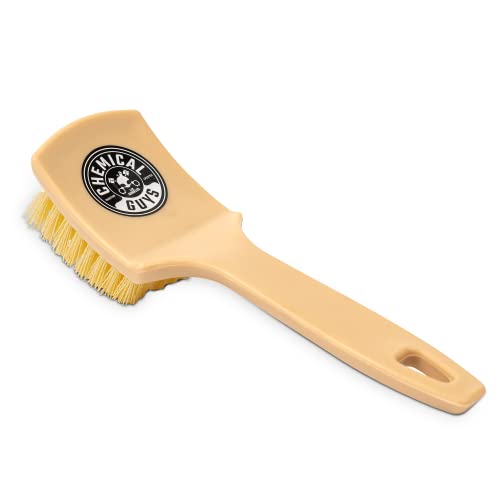
- Upholstery Cleaning Brush for Microfiber Chairs
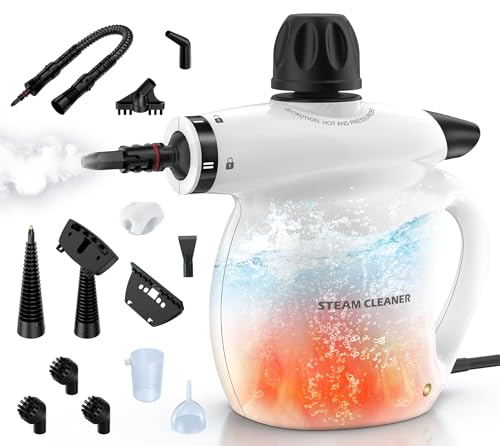
- Fabric Steamer for Microfiber Upholstery
- Vacuum Cleaner with Upholstery Attachment for Microfiber Chairs
- Microfiber Stain Remover Pen

Before You Start
Before cleaning, check the chair’s care label for any manufacturer instructions. Test cleaning products on an inconspicuous area to ensure no discoloration or fabric damage occurs. Work in a well-ventilated room and wear protective gloves if you have sensitive skin. Allow ample time for the chair to dry completely to prevent mildew. Typical drying times range from 2 to 6 hours, depending on room temperature and fabric thickness. Do not saturate microfiber upholstery; excess moisture can cause water stains and fiber distortion.
Step-By-Step: How To Clean A Microfiber Chair
- Vacuum the chair thoroughly, using the upholstery attachment to remove loose dust, crumbs, and pet hair. Pay attention to seams and cushions.
- Shake or spray a small amount of Microfiber Upholstery Cleaner Spray on a clean, white cloth or directly onto a spot if the label allows. Blot—don’t rub—stains to lift soil from the fibers.
- Use the Upholstery Cleaning Brush for Microfiber Chairs to gently agitate the stained area in a circular motion, working from the outside of the stain toward the center.
- For persistent stains, apply a light mist of cleaner and rework with the brush. If necessary, repeat this process with fresh cloths to prevent re-depositing dirt.
- Spot-treat with a Microfiber Stain Remover Pen for tough marks. Apply as directed by the product instructions and blot with a clean cloth until the stain lifts.
- Lightly mist the area with a small amount of cleaner and use the Fabric Steamer for Microfiber Upholstery to refresh the pile. Keep the steamer at a safe distance to avoid soaking the fabric.
- Let the fabric air-dry completely. If needed, use a dry cloth to speed up moisture absorption, and avoid sitting on the chair until fully dry.
- After drying, gently brush the nap with a clean, dry brush to restore the soft texture of the microfiber fibers.
- Inspect the chair for any remaining spots. Repeat the appropriate steps on those areas if necessary, using minimal moisture and light pressure to protect the fabric.
- Perform a final vacuum to lift any loosened particles released during cleaning and to restore the fabric’s smooth appearance.
- Store cleaning tools properly to keep them ready for future maintenance and prevent contamination of fabrics.
Troubleshooting
| Symptom | Likely Cause | Fix | Prevention |
|---|---|---|---|
| Streaks after cleaning | Excess cleaner or uneven application | Wipe with a clean damp cloth, then dry and brush | Use small, even amounts; test on inconspicuous area first |
| Fabric looks stiff after cleaning | Residue from cleaner | Rinse with minimal moisture and brush lightly as it dries | Avoid saturating fabric; opt for lighter sprays |
| Color fading or bleeding | Harsh chemicals or over-wetting | Switch to milder cleaner or spot-test; use less moisture | Follow label directions; test first |
| Persistent odor | Moisture trapped in fibers | Thoroughly dry and air out; consider repeating cleaning in a ventilated area | Ventilate during and after cleaning |
| Stubborn stains reappearing | Previously set-in stains | Repeat targeted treatment with the stain remover pen | Address stains promptly |
Common Mistakes
- Using too much liquid, which can soak the backing and cause mildew
- Rubbing vigorously, which can fray microfiber fibers
- Using color transfer dark cleaners that may dye the fabric
- Skipping a test patch and applying cleaners directly on delicate areas
- Neglecting to dry thoroughly before use, leading to damp smells
Sticking to light pressure, small amounts of product, and proper drying ensures microfiber chairs stay soft and stain-resistant over time.
Tips For Best Results
- Regular vacuuming extends the time between deep cleanings by removing surface soil
- Address spills immediately with blotting rather than rubbing
- Use the Fabric Steamer to revive nap direction after cleaning cycles
- Rotate cushions regularly to maintain even wear
- Keep cleaners in a cool, dry place away from direct sunlight to preserve fabric integrity
Call A Professional
Consider professional cleaning if the chair is heavily soiled, has large stains, or if the care label advises professional services. Stop and seek help if:
- The fabric is marked “dry clean only” or requires specialized solvents
- There is visible dye transfer or color loss after initial cleaning attempts
- You notice persistent dampness or mold growth after a cleaning session
FAQ
Can I use a regular household cleaner on microfiber chairs?
It is best to use cleaners formulated for microfiber to avoid staining or fiber damage; test any cleaner on a hidden area first.
How often should I clean a microfiber chair?
Light maintenance with vacuuming every week and a deeper clean every 1–3 months, depending on use and staining, is typical.
Is a fabric steamer safe for microfiber?
Yes, when used at a low setting and held at a distance to prevent overwetting the fabric.
What should I do if a stain won’t come out?
Re-treat with a cleaner and stain remover pen, following product directions, or consult a professional for stubborn stains.
Should I brush microfiber after cleaning?
Brushing helps restore nap texture once the fabric is dry.
Is it normal for microfiber to feel different after cleaning?
A temporary stiffness can occur as fibers rehydrate; brushing typically restores the original feel.
Can I place a microfiber chair outdoors to dry?
Avoid direct sunlight and heat sources; air-dry in a shaded, well-ventilated area to prevent color fading and fiber damage.
Buying Guide
When choosing cleaning tools for microfiber chairs, consider how size, noise, energy use, controls, and placement affect performance and convenience. A compact vacuum with a dedicated upholstery attachment is ideal for apartments, while a handheld fabric steamer provides quick refreshes between deep cleans. Look for a microfiber upholstery cleaner spray that effectively lifts stains without saturating fibers, and a stain remover pen for targeted spots. Ensure the upholstery brush is soft enough to avoid damage but firm enough to lift dirt from nap fibers. For large seating areas, a small, energy-efficient steamer or compact vacuum can offer practical cleaning without heavy equipment.
Size matters for storage—choose tools that fit your cleaning closet or pantry. Noise level is a practical consideration for homes with children or pets; quieter devices reduce disruption. Energy efficiency is beneficial for frequent use, though most cleaning tools consume modest power. Controls should be intuitive, with straightforward spray or suction settings. Placement recommendations focus on keeping tools within reach for quick cleanups and ensuring cords or hoses don’t clutter living spaces. By evaluating these factors, buyers can assemble a reliable microfiber cleaning kit tailored to their home environment.